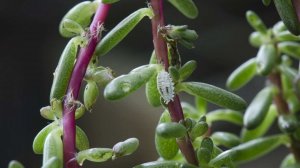
Mealybugs, small sap-sucking insects from the Pseudococcidae family, can quickly overrun succulents if left unchecked. This article details a step-by-step approach, from isolating affected plants to applying rubbing alcohol or neem oil, and emphasizes the importance of early intervention to prevent spread and plant death.
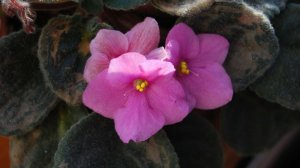
African violets, a favorite among houseplant lovers, face threats from five common indoor pests. This article details how to spot each pest, from microscopic mites to visible insects, and provides practical, step-by-step removal methods to keep your plants thriving.
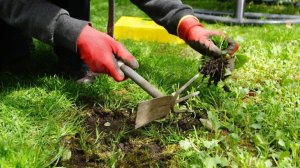
As spring arrives, gardeners face a familiar challenge: a new crop of weeds. This guide identifies seven common early-season invaders, from cleavers to common groundsel, and offers practical removal strategies to keep garden beds healthy and productive.
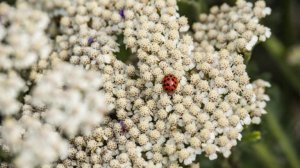
Gardeners seeking to reduce reliance on chemical sprays can adopt cultural and mechanical pest control methods. This article outlines strategies like barriers, trap crops, mulching, and beneficial insect attraction to manage pests while promoting plant health.
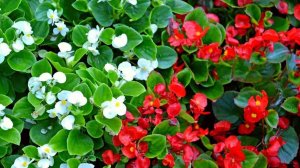
Begonias are popular shade-loving plants, but when they fail to bloom, several common issues could be at play. From incorrect watering and sunlight to soil problems and pests, this guide outlines practical fixes to restore flowering.
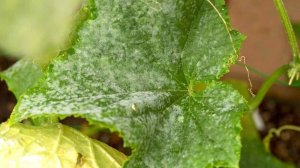
Powdery mildew, a common fungal disease, often appears as white powder on cucumber leaves. This article explains the causes, prevention strategies, and treatment options, including proper spacing, watering techniques, and the use of neem oil or resistant varieties.
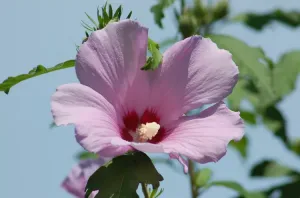
Rose of Sharon shrubs may fail to bloom despite producing buds, often due to shade, rot, drought, or nutrient issues. This article explains the common causes and provides practical steps to encourage flowering next season.
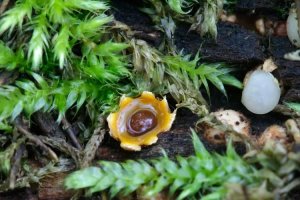
Artillery fungus, a common but harmless organism found in wood mulch, can leave stubborn black spots on homes and cars. This guide explains how to identify it, why it appears, and practical steps for removal and prevention, including safer mulch choices.
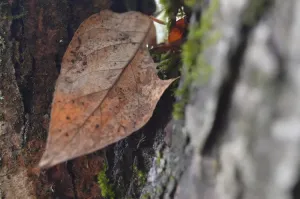
Brown or dying leaves on trees can signal various issues, from sun exposure and frost damage to pests, watering problems, and soil compaction. This article outlines the common causes and practical steps to diagnose and address them, helping homeowners maintain tree health.
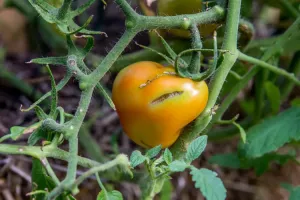
Tomatoes often crack due to uneven moisture, especially after dry spells and heavy rain. This guide explains the two types of splits, offers seven practical prevention methods, and lists crack-resistant varieties to help gardeners protect their harvest.
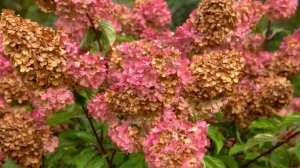
Hydrangea blooms can brown prematurely due to heat, watering issues, or too much sun. This article outlines the common causes and practical steps gardeners can take to prevent and address browning, including adjusting watering schedules and relocating plants.
Many common garden plants can cause skin reactions ranging from mild itching to severe blistering. This article identifies 13 such plants, explains the compounds responsible, and offers practical advice for safe handling, emphasizing the importance of protective clothing and awareness.
Brown, wilted irises often signal water stress, fungal or bacterial infections, or pest damage. This guide helps gardeners identify the specific cause and apply targeted fixes, from adjusting irrigation to removing infected plants.
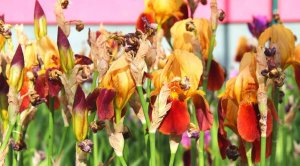
Irises may fail to bloom due to planting depth, overcrowding, insufficient sunlight, or pest issues. This guide outlines nine common causes and provides actionable fixes to help gardeners restore flowering.
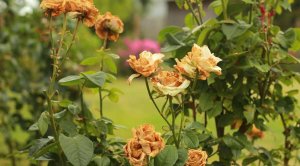
Gardeners facing premature rose bloom loss can trace the problem to several causes, from fungal infections and insect pests to environmental stress. This guide outlines the key symptoms and practical solutions for each issue, helping rose enthusiasts restore their plants to health.
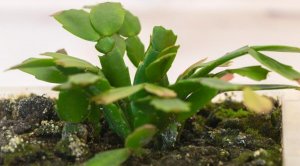
Overwatering a Christmas cactus can lead to root rot and a droopy, yellow appearance. This article outlines a practical recovery plan, from draining excess water and treating damaged roots to repotting and adjusting watering habits, with propagation as a last resort.
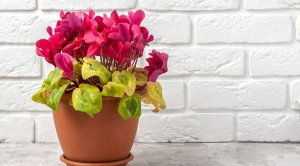
Yellowing leaves on cyclamen often signal stress from heat, watering issues, dormancy, or pests. This guide explains the eight most common causes and provides practical fixes to restore your plant's health.
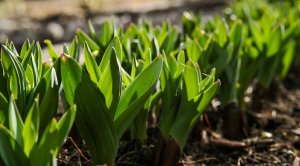
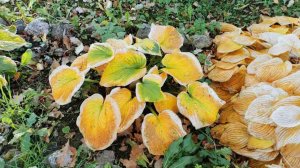
Yellowing hosta leaves can signal anything from seasonal dormancy to serious infection. This guide breaks down the ten most common culprits, from temperature swings to root damage, and offers practical fixes to restore your plants' health.
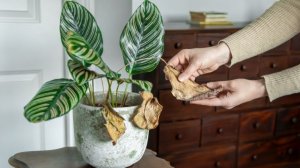
Calatheas are prized for their striking foliage but are notoriously sensitive to environmental changes. This guide covers the most common issues—from wilting and yellowing to pest infestations—and offers practical, step-by-step fixes to restore your plant's health.
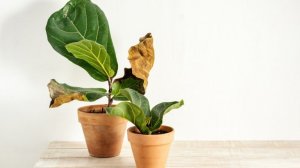
Fiddle leaf figs are popular but finicky houseplants. This guide details 16 common issues, from leaf drop and brown spots to pest infestations, and offers practical solutions to keep your plant healthy and thriving.