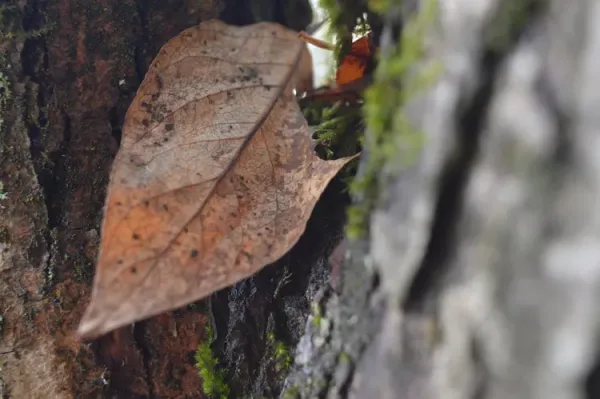
When a tree's foliage starts to brown or die, it's often a sign of environmental stress, pests, or disease. While occasional brown leaves are normal, persistent browning across the canopy may indicate a more serious problem. Understanding the underlying causes—from sun exposure to watering habits—is key to restoring tree health.
One of the most frequent culprits is leaf scorch, which occurs when leaves lose water faster than the roots can supply it. This often results from intense sun, especially when combined with dry winds, inadequate irrigation, or root damage. Young trees are particularly vulnerable, which is why planting in spring or fall, when UV rays are less intense, is recommended.
Frost, Wind, and Watering
In spring, brown leaves may signal frost damage, which, while unsightly, rarely kills the tree. Summer browning, however, often points to insufficient watering or high winds. Black spots on leaves typically indicate a fungal infection, common in humid climates. For frost-sensitive species like young magnolias, wrapping the trunk in burlap during cold months can offer protection.
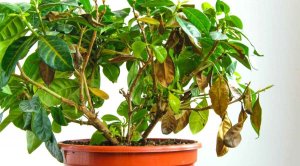
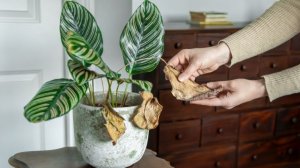
Watering issues are another major factor. Newly transplanted trees need consistent moisture, but overwatering can be just as harmful as underwatering. Yellowing or drooping leaves suggest excess water, while dry, brown leaves indicate a lack of it. Adjusting your watering schedule based on these signs is crucial.
Transplant Shock and Soil Conditions
Transplanted trees often experience shock, leading to wilted, scorched, or curled leaves. This is usually temporary if the tree receives proper care. To minimize shock, allow the tree to acclimate for several days before planting, and dig a hole two to three times wider than the root spread. In some cases, such as with Bradford pear trees, blackened leaves may point to fire blight, a bacterial disease that requires professional treatment.
Soil compaction is another hidden threat. When soil is dense or clay-heavy, roots struggle to expand, stunting growth. Loosening the soil and mixing in organic matter like mulch can improve drainage and root development. However, heavy compaction may require mechanical tools like a rototiller.
Pests, Disease, and Fertilizer
Insects and diseases can also cause browning. For example, Emerald Green arborvitae often develops brown leaves in summer due to pests, dog urine, or drought. While inner leaf browning is normal in fall and spring, browning at the branch tips signals a more serious issue. Identifying the exact problem is essential before applying any treatment, as many conditions have specific sprays.
Over-fertilization is another common mistake. Excess fertilizer can burn roots and foliage, sometimes fatally. If this occurs, trim affected branches and flush the soil with water to dilute the chemicals. Always follow label instructions for application rates and timing.
Yellowing leaves, distinct from browning, may indicate chlorosis—a nutrient deficiency, often iron. This typically appears in late summer or early fall and can be corrected with professional guidance. Similarly, a sick tree may show color changes earlier than expected, signaling the need for expert assessment.
Regular observation and timely intervention are vital. By recognizing the specific signs—whether from sun, frost, water, soil, or pests—homeowners can take appropriate action, often saving the tree and preserving the landscape's value.