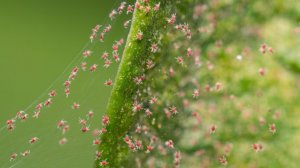
Spider mites, nearly invisible to the naked eye, can wreak havoc on gardens and indoor plants. This guide details their life cycle, common species, and effective control methods, from cultural practices to biological and insecticidal options, helping gardeners protect their plants.
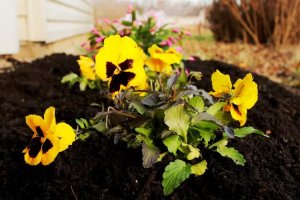
Dealing with grass invading flower beds requires a tailored approach depending on the extent of the problem and proximity to ornamentals. From chemical options like broad-spectrum and selective herbicides to manual removal and organic tactics, this guide outlines practical methods for reclaiming garden space.
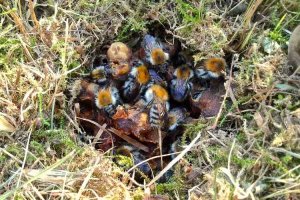
Ground bees, though beneficial as pollinators, can disrupt outdoor spaces. This article outlines safe, practical methods to manage their presence, from preventive lawn care to non-lethal deterrents, and clarifies when professional help is advisable.
Squirrels and chipmunks can ruin spring bulb displays by digging up tulips and crocuses. This article outlines effective, low-cost strategies—from physical barriers to natural repellents—to keep your garden intact through the planting season.
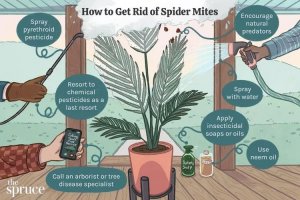
Spider mites, tiny arachnids that damage plants by sucking juices, can be controlled through several methods ranging from water sprays to chemical pesticides. This article outlines seven practical approaches, including rubbing alcohol, insecticidal soaps, and encouraging natural predators, along with prevention tips and answers to common questions.
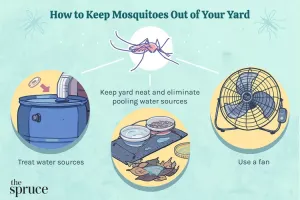
Citronella candles offer only minimal, localized protection against mosquitoes. Experts recommend a multi-pronged approach: eliminating standing water, using fans, and applying effective repellents like Picaridin to significantly reduce bites and breeding.
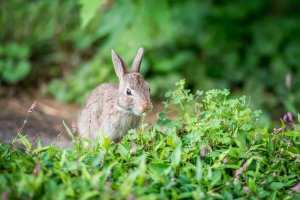
Rabbits can devastate gardens, but choosing the right plants can reduce damage. This guide lists rabbit favorites and resistant species, helping gardeners plan a more resilient landscape.
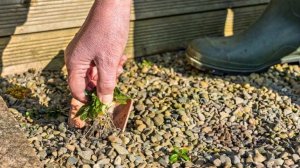
Dealing with weeds in gravel areas can be tackled through several effective strategies, from flame torching to solarization and hand pulling. This guide outlines seven practical methods, including the use of tarps, additional gravel, and salt, to help you maintain a clean landscape without resorting to harsh chemicals.
Many common garden center plants, including wisteria, bamboo, and English ivy, are invasive species that can displace native flora and disrupt ecosystems. This article highlights 20 such plants, explaining their spread mechanisms and the ecological damage they cause, urging gardeners to choose native alternatives.
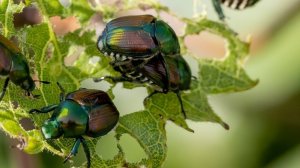
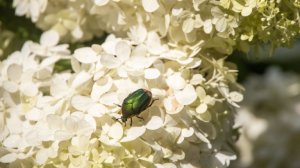
Japanese beetles, an invasive species first detected in the U.S. in 1916, can skeletonize leaves and damage hundreds of plant species. This article outlines identification, life cycle, and prevention strategies, including natural predators, milky spore, and hand-picking, to help gardeners protect their plants.
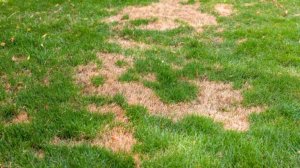
Summer's heat and humidity create ideal conditions for a range of turf diseases that can quickly mar a lawn's appearance. This guide details seven of the most prevalent summer lawn diseases, their distinctive symptoms, and practical management strategies to keep grass healthy and vibrant.
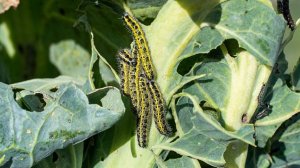
Imported cabbage worms, the larvae of cabbage white butterflies, can devastate brassica crops. This article explains how to identify the pests and their damage, and outlines cultural, biological, and chemical control methods to protect your garden.
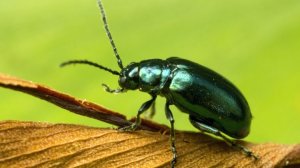
Flea beetles, a diverse group of jumping insects, can cause significant damage to vegetable crops across the United States. This article explains how to identify the most common species, understand their life cycle, and implement effective control measures, from trap crops to beneficial nematodes.
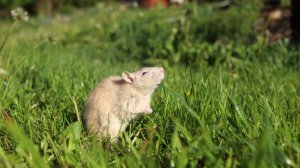
Rodents can devastate gardens, but natural deterrents and barriers offer effective solutions. From planting mint to installing solar repellers, these methods protect crops without harming plants, pets, or the environment.
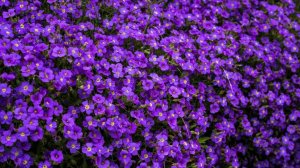
Discover how to identify common purple-flowering weeds that invade lawns, from wild violets to thistles. Learn which have culinary or medicinal uses and how to control them effectively, balancing garden aesthetics with practical management.
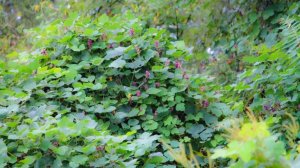
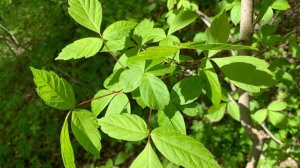
Learn to distinguish poison ivy from harmless lookalikes like boxelder, blackberry, and Virginia creeper. This guide highlights key differences in leaf shape, stem structure, and growth habits to prevent unnecessary fear and help you safely enjoy your garden or foraging trips.
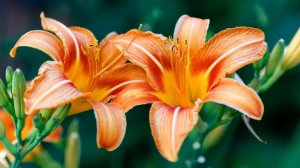
Daylilies, particularly the orange variety Hemerocallis fulva, are invasive perennials that can overtake gardens. This article outlines several removal methods, from hand-weeding to herbicides, and offers strategies for containment and prevention, helping gardeners protect their landscapes.
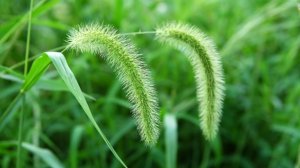
This article provides a practical field guide to identifying 25 common garden weeds, from Asiatic bittersweet to tall fescue, with details on their characteristics, habitats, and control methods. It emphasizes the importance of considering pollinators and using targeted removal strategies.
Hydrangeas, beloved for their summer blooms, are susceptible to a range of pests from aphids to deer. This article outlines 11 common culprits, their telltale signs, and practical prevention and treatment strategies to keep your shrubs thriving.
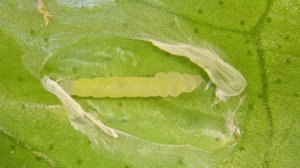
The citrus leafminer, a moth native to Asia, has become a global pest, affecting citrus growers in Florida, California, and beyond. While mature trees suffer little yield loss, young trees can be stunted, and the damage increases vulnerability to diseases like citrus canker. Effective management focuses on cultural practices and preserving natural enemies, with chemical controls often counterproductive.