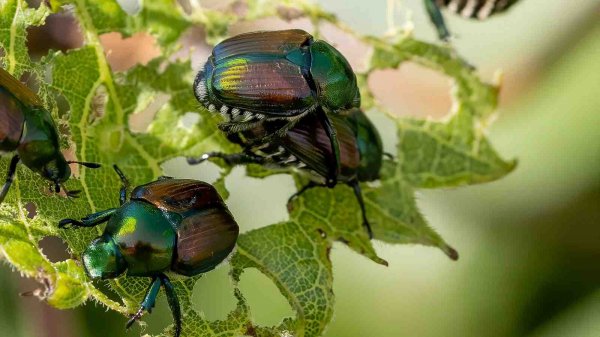
Japanese beetles, an invasive pest first detected in the United States in 1916 at a New Jersey plant nursery, have since become a widespread nuisance for gardeners. These half-inch insects can skeletonize foliage, leaving only the vein-like structure of leaves, and they feed on hundreds of plant species, from fruit trees to roses. Recognizing the signs of an infestation and understanding the beetle's life cycle are key to managing their impact.
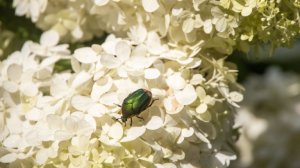
The beetle's distinctive appearance—metallic blue-green heads, copper-colored backs, and small white hairs along the abdomen—makes it relatively easy to identify. Native to Japan, the species arrived in North America via imported plants in the early 1900s. Since then, they have adapted to a variety of habitats, including forests, fields, gardens, and city parks, making control a persistent challenge.
Understanding the Beetle's Life Cycle
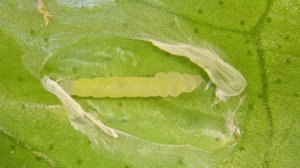
The Japanese beetle's life cycle spans one year. Each female lays 40 to 60 eggs in the soil, which hatch by midsummer. The resulting grubs, which reach about an inch in length, feed on plant roots and grasses before burrowing deeper into the soil—four to eight inches—to survive the winter. In early spring, they emerge to feed again, then pupate, and within two weeks, adult beetles appear and begin feeding on foliage.
Because the grubs cause significant root damage, early intervention is critical. Gardeners can target the larval stage with beneficial nematodes, which are applied in late spring and fall when soil temperatures are between 50°F and 75°F. Two applications, spaced a week apart, are recommended. Another biological control is milky spore (Paenibacillus papillae), which is ingested by feeding grubs, turning their body fluids milky and killing them, while releasing more spores into the soil. This method is most effective in the fall when grubs are actively feeding.
Prevention and Control Strategies
Preventing an infestation starts with plant selection and placement. Japanese beetles have preferred hosts, including apple, apricot, cherry, peach, plum, birch trees, asparagus, irises, Norway maples, and roses. Avoiding these plants or dispersing them throughout the garden can reduce risk. Companion planting with garlic, tansy, or other distasteful plants may help, as can attracting natural predators like tachinid flies, which are drawn to asters, yarrow, and fennel.
For adult beetles, several control methods can be employed simultaneously. Row covers provide a physical barrier, while hand-picking beetles and dropping them into soapy water is a simple, albeit time-consuming, approach. Neem oil, used for centuries, disrupts the growth of beetles that ingest it, affecting their eggs and larvae. A drop cloth placed under plants in the morning can collect beetles, which can then be shaken into soapy water.
Commercially available traps use chemical attractants but are considered less efficient, according to recent research, and should be placed away from the garden to avoid drawing beetles toward plants. A homemade trap using a can of fruit cocktail left to ferment in the sun can also lure beetles, which drown in surrounding water. Geraniums, while attractive to beetles, cause them to become dizzy and fall off, allowing for easy collection.
Japanese beetles have no natural predators in North America, making them a formidable pest. However, combining cultural, biological, and mechanical controls can significantly reduce their numbers and protect garden plants. Regular monitoring and early action are essential to preventing widespread damage.