Hydrangeas, with their abundant summer blossoms, are a garden favorite, but they are not immune to pest problems. From sap-sucking aphids to root-damaging nematodes, a variety of insects and animals can compromise the health and appearance of these shrubs. Recognizing the signs of infestation early and applying the right control measures can make the difference between a thriving plant and a struggling one.
While hydrangeas are generally resilient, they share many pests with other garden plants, and some pests show a particular fondness for them. Gardeners often overlook routine inspections, a common mistake that allows infestations to escalate. This guide details 11 frequent invaders and offers practical, environmentally conscious solutions for each.
Common Sap-Feeders and Leaf Chewers
Aphids are among the most widespread garden pests, and hydrangeas are no exception. These tiny, pear-shaped insects—often green but also yellow, brown, or black—congregate on the underside of leaves, extracting plant juices and causing yellowing. They also excrete a sugary substance that attracts ants, which in turn protect aphids from natural predators. To prevent aphids, keep the garden free of leaf litter and weeds, and remove nearby infected plants. For active infestations, brushing them off, spraying with water, or applying insecticidal soap are effective measures.
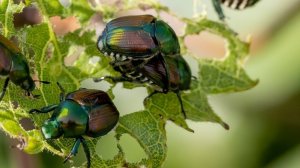
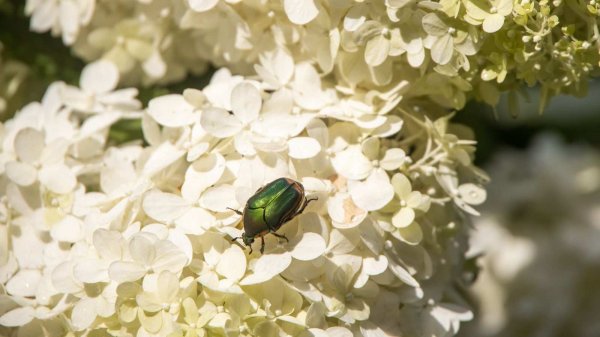
Japanese beetles are another common nuisance, particularly for oakleaf hydrangeas. The adults, identifiable by their copper-colored backs and metallic blue-green heads, chew leaves into a lacy skeleton. Controlling them in the grub stage, often found in lawns, is the best preventive strategy. If adults appear, hand-picking them into soapy water is a safe, non-chemical method, especially during bloom time to protect pollinators.
Four-lined plant bugs and rose chafers also feed on hydrangea foliage. Four-lined bugs leave distinctive small brown pockmarks on leaves, while rose chafers, which prefer sandy soils and sunny spots, create damage similar to Japanese beetles. For both, insecticidal soap or neem oil can be effective. Removing affected leaves and hand-picking beetles are additional options, and for rose chafers, treating the soil for grubs may be necessary.
Hidden Threats: Root and Stem Pests
Some pests cause damage out of sight. Black vine weevil larvae feed on roots, leading to yellowing and eventual dieback, while adult weevils nibble on leaves. Prevention involves keeping mulch away from the base and weeding regularly. For control, beneficial nematodes can target the larvae, but pesticides should be applied only after flowering to safeguard pollinators.
Nematodes, though some are beneficial, can also be harmful. They attack roots, causing galls and wilting, often mistaken for water stress. Keeping soil from becoming too moist and sterilizing pruning tools are key preventive steps. Nematode control products are available at garden centers.
Scale insects attach to stems and leaves, sucking sap and weakening the plant. They are often noticed as white oval eggs on stems. Hand removal with an alcohol-soaked cotton swab or insecticidal soap in summer can manage infestations.
Environmental and Animal Pests
Slugs, especially in damp conditions, chew ragged holes in young foliage. Keeping the garden clear of debris and watering at the base to reduce moisture can deter them. Hand removal, slug bait, or planting repellent species like marigolds are effective controls.
Spider mites, which thrive on heat-stressed plants, cause a freckled appearance and fine webbing. Regular watering and mulching to retain moisture are preventive. Hosing off plants can dislodge mites, and insecticidal soap is a further option.
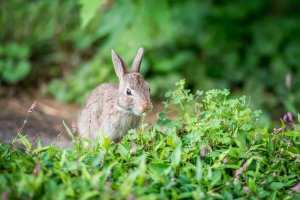
Deer, while not a primary food source, will browse on hydrangeas when food is scarce, leaving torn leaves and damaged buds. Physical barriers like deer netting or repellents are the most reliable deterrents.
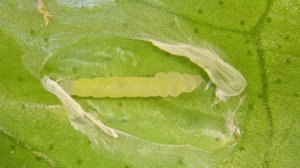
Leaftiers, a type of moth, cause leaves to be webbed together where caterpillars feed. Cleaning up lower stems in winter and spring, and removing webbed leaves by hand, can manage this pest.
Regular monitoring and prompt action are the cornerstones of hydrangea pest management. By understanding the specific signs and employing targeted, pollinator-friendly treatments, gardeners can protect their plants and enjoy a vibrant display throughout the season.