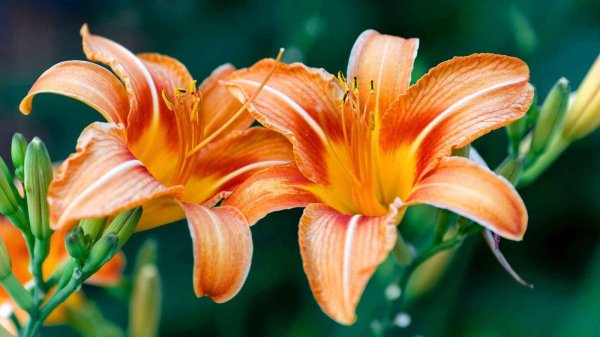
Gardeners who have welcomed the cheerful blooms of daylilies into their yards may be unaware of the plant's darker side. While not toxic to humans, certain varieties, particularly the common orange daylily (Hemerocallis fulva), are classified as invasive weeds in several states. Their vigorous growth can quickly overwhelm a garden, competing with and sometimes killing neighboring plants. Understanding how to manage these perennials is essential for maintaining a healthy landscape.
Daylilies have been a staple in American gardens since the 19th century, prized for their hardiness and low maintenance. However, this same resilience makes them a formidable opponent. The orange daylily, in particular, spreads prolifically through thick tubers that are difficult to eradicate completely. If even a fragment of the root system remains, the plant will regrow, often without flowering in its first year, making it easy to miss until it has already established a foothold.
The challenge of removing daylilies is compounded by their ability to thrive in diverse conditions, from the eastern United States to parts of the West Coast. They are also known to attract pollinators, which can be beneficial, but this does little to offset the damage they can inflict on a garden's ecosystem.
Removal Strategies: From Manual to Chemical
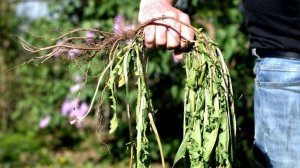
For small infestations, hand-weeding is a practical first step. This method, which involves pulling plants and using tools like hoes or trowels, is effective when performed weekly. Regular attention weakens the plants over time, eventually causing them to die. For larger areas, digging out the daylilies may be necessary. This requires thoroughness, as any leftover root fragments will sprout anew. The process often takes six to eight weeks, with repeated digging sessions to catch re-sprouts.
Another approach is the "mow and mulch" technique, ideal for daylilies growing in lawns. Mowing at the lowest blade setting, followed by a thick layer of mulch—at least six inches—deprives the plants of sunlight. Adding a biodegradable barrier like newspaper beneath the mulch can enhance effectiveness. This method requires patience, as the mulch must remain in place for up to a year to ensure complete eradication.
For those willing to cover a portion of their garden, black plastic sheeting offers a chemical-free solution. The plastic blocks sunlight and traps heat, effectively cooking the plants and their roots. The area must remain covered for six weeks to three months, and the plastic should be secured and checked for damage. This method also has the added benefit of killing pests and enriching the soil with nutrients.
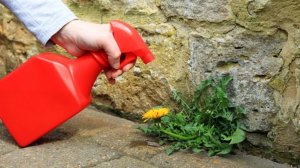
When all else fails, herbicides containing glyphosate can be used, though this is strongly discouraged as a last resort. Chemical treatments can harm nearby plants, pollinators, and the soil itself. If used, application should occur on a calm, dry day, and the herbicide should be applied carefully to the foliage. Results may take up to two weeks, and reapplication may be necessary.
Preventing Future Infestations
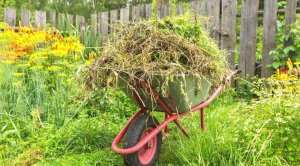
Once daylilies are removed, vigilance is key. Regularly inspect the area for new growth and dig up any sprouts immediately. Proper disposal of removed plant material is also critical; do not compost daylilies, as they will regrow. Instead, seal them in plastic bags and dispose of them responsibly.
For gardeners who wish to keep daylilies, containment is possible. Installing physical borders, similar to those used for bamboo, can prevent root spread. Alternatively, planting daylilies in containers is a more controlled approach. Full-size daylilies require at least a gallon-sized pot, and they will need daily watering in summer and protection from winter cold. Choosing non-invasive cultivars is another wise strategy, as many varieties have been bred to be less aggressive.
Ultimately, managing invasive daylilies requires persistence and a willingness to adapt. By starting with the least harmful methods and escalating only when necessary, gardeners can reclaim their spaces and enjoy a diverse, thriving garden.