Goutweed, also known as Aegopodium podagraria, is a deceptively attractive ground cover that has become a major headache for gardeners across the Midwest and Northeast. While its variegated leaves and delicate white flowers may seem charming, this plant is a relentless invader that can quickly take over a landscape. For those grappling with this resilient weed, understanding its behavior and employing a mix of removal strategies is key to regaining control.
Native to the northeastern hemisphere, goutweed has earned several nicknames, including bishop weed, snow-on-the-mountain, and ground elder. Historically, it was valued for its medicinal properties, particularly in treating joint and foot ailments, which is how it got its common name. However, its reputation as a beneficial herb has long been overshadowed by its aggressive spread.
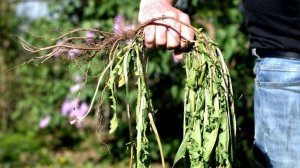
Goutweed thrives in a variety of conditions, from full sun to deep shade, and tolerates both drought and flooding. Its root system is a network of rhizomes that can extend up to eight feet wide and plunge more than a foot deep, making it exceptionally difficult to eradicate. This hardy growth habit, while low-maintenance, is precisely what makes it such a formidable foe.
Identifying the Intruder
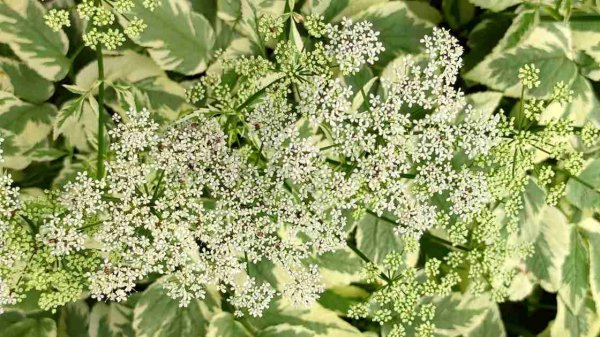
Correct identification is the first step in tackling a goutweed problem. As a member of the parsley family (Apiaceae), its leaves resemble those of carrots, parsley, or mint. The stems are fleshy, emerging from the rhizomes and ending in clusters of three-part, toothed leaves that are often blue-green or sage green, with variegated types displaying creamy white margins. Crushing the leaves may release a carrot-like scent.
In late spring to early summer, goutweed sends up flower stalks that can reach one to three feet tall, topped with flat-topped, umbrella-shaped clusters of small white flowers. These stalks often look like a separate plant, but they are connected to the same underground network.
Goutweed's ability to form a dense mat on the forest floor is its primary weapon. It crowds out native species, reduces biodiversity, and even alters soil microbial content, hindering the regeneration of native trees. This has led to its inclusion on invasive species lists in states like Michigan, Wisconsin, Connecticut, New Jersey, Pennsylvania, and Vermont, where its sale and cultivation are banned.
Strategies for Eradication
Eradicating goutweed is a long-term commitment, not an overnight fix. The most effective approach involves a combination of mechanical methods and persistence. One of the most reliable, though labor-intensive, methods is digging. For small patches, use a long-handled shovel to dig at least 18 inches deep, extending the excavation at least one foot beyond the visible patch. Carefully remove all soil and roots, bagging them for disposal, and monitor the area for regrowth over the next several seasons.
For larger infestations, smothering is a viable alternative. This method, known as occultation, involves covering the area with a dark tarp or plastic sheet in early spring, before the roots become active. Weigh down the tarp with stakes or heavy objects and leave it in place until the following spring. While this method is less effective than digging, it can significantly weaken the plant over time.
Mowing can also be used to control goutweed in large, open areas. Set the mower blade to its lowest setting and mow twice weekly to prevent leaves from photosynthesizing, which starves the roots. This method requires patience and may take a few years to show results.
Another option is controlled burning with a propane torch, often called a 'landscape dragon.' This method involves burning the stems to soil level twice a week to prevent regrowth. While not as effective as digging, it can be combined with other methods for better results.
Ultimately, the key to defeating goutweed is persistence. Whether you choose to dig, smother, mow, or burn, consistent follow-through is essential. By combining these methods and staying vigilant, you can reclaim your garden from this invasive intruder.