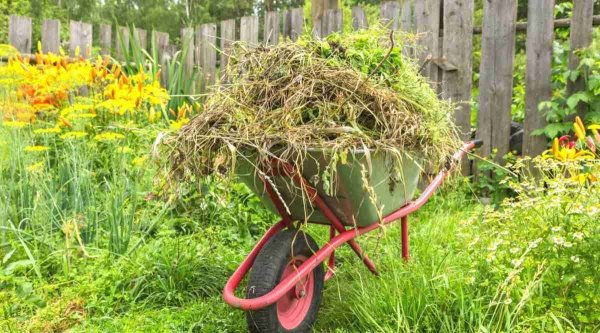
Gardeners often battle weeds, but these persistent plants can be repurposed into valuable assets for soil health and even the dinner table. Rather than discarding them, savvy gardeners can harness weeds to enrich compost, improve soil structure, and gauge growing conditions. This approach transforms a common chore into an opportunity for sustainable gardening.
Weeds are simply plants growing where they aren't wanted, but their resilience and nutrient content make them a reliable resource. By learning to use them, gardeners can reduce waste and boost their garden's productivity. The following methods offer practical ways to turn these green invaders into allies.
Composting with Weeds: Balancing Greens and Browns
Composting relies on a mix of nitrogen-rich "green" matter and carbon-rich "brown" matter. Green weeds, such as young dandelions or chickweed, provide a steady source of nitrogen, especially when kitchen scraps are scarce. To add them, chop the weeds with shears or a reel mower, then rake and add to the pile. It's crucial to use only plants without seed heads or rhizomes, as these can spread unwanted growth. For brown matter, sun-dry weeds for about two weeks until they turn brown and crispy, then add them to the pile. This method ensures a balanced compost that decomposes effectively.
Chop-and-Drop: A No-Fuss Soil Enhancer
For gardeners without a compost pile, the chop-and-drop method offers a simple alternative. Using a stirrup hoe, cut weeds at the base, leaving roots in the ground to aerate the soil. Spread the chopped greens over the area to decompose, adding nutrients and fueling microbial activity. This technique can also create a no-dig garden bed: after chopping and dropping, layer compost, cardboard, and more compost, then wait a couple of months. However, avoid this method for weeds that root from cuttings, like Bermuda grass or English ivy, as they can regrow.
Weeds as Soil and Moisture Indicators
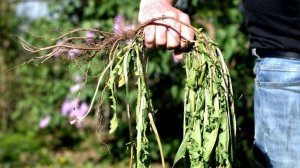
Weeds can reveal hidden conditions about your soil. For instance, an abundance of wood sorrel may indicate acidic, shady soil, while dandelions often signal poor soil lacking calcium and organic matter. Observing these patterns can guide amendments without expensive testing. Similarly, weeds with deep taproots, such as dandelions or stinging nettle, can indicate moisture levels. Pull one out and check the root: clean means dry soil, while dirt clinging to it suggests moisture. This method avoids disturbing the soil and is a practical, plant-friendly way to monitor watering needs.
Edible Weeds: A Forager's Bonus
Many common weeds are not only edible but also delicious. Species like dandelion, purslane, and chickweed can be sautéed like kale, added to soups, or used in salads. A list of edible types includes bittercress, burdock, common mallow, curly dock, lamb's quarters, pigweed, stinging nettle, and wood sorrel. Always research before consuming, as some plants have toxic parts. Foraging these weeds can turn a chore into a culinary adventure, offering fresh greens that rival store-bought varieties.
Liquid Fertilizer: A Nutrient-Rich Brew
Another option is to create a liquid fertilizer from weeds. Chop fresh weeds into a bucket, fill with water, and add a bit of compost as an inoculant. Let it steep for at least two weeks to extract nutrients. When ready, dilute one part of the mixture with ten parts water to avoid over-fertilizing. Keep the bucket covered to prevent mosquitoes. This "weed soup" provides a free, nutrient-packed boost for garden plants.
By integrating these methods, gardeners can view weeds not as enemies but as tools for a healthier, more self-sufficient garden. Whether through composting, soil improvement, or even dining, these resilient plants offer unexpected value.