Gardeners seeking to eliminate weeds without synthetic chemicals have a range of options, from simple hand-pulling to innovative tactics like solarization and renting goats. Each method works by depriving weeds of essential resources—sunlight, moisture, or air—or by directly damaging their tissues. The choice depends on the size of the area, the type of weeds, and the gardener's preference for effort versus immediacy.
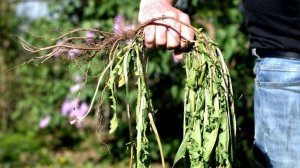
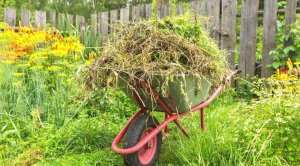
Hand-pulling remains the most straightforward and reliable approach, especially when done consistently. Regular weeding sessions, even once or twice a week, can significantly reduce the seed bank in the soil. For those with sensitive hands or wrists, tools like the CobraHead weeder or a simple trowel can make the task easier, especially for deep-rooted weeds like dandelions.
Smothering and Solar Tactics
Mulching is a popular preventive measure. Applying a three-inch layer of wood chips, straw, or hazelnut shells blocks light, preventing weed seeds from germinating. However, avoid nutrient-rich mulches like compost, which can actually encourage weed growth. Cardboard works similarly: lay it over the area, weigh it down with soil, and the weeds beneath will die within a month, after which you can plant directly into the topsoil.
Solarization uses clear plastic to trap heat, cooking weeds during hot summer days. This method takes about three weeks and is most effective in sunny climates. Occultation, using black tarps, blocks light entirely and works better in cooler regions, though it may take four weeks or more to kill all vegetation.
Heat, Sprays, and Household Items
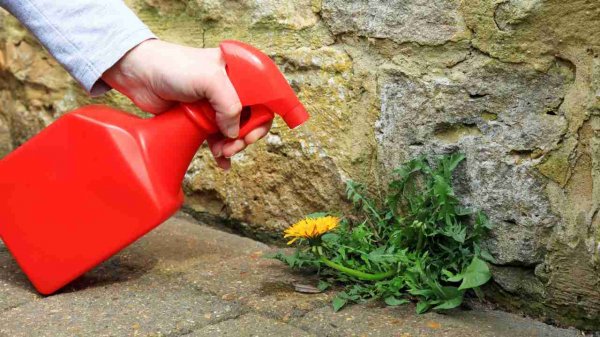
Boiling water is a quick, targeted solution for weeds in cracks or pathways. Pour it directly on the leaves and stems to kill them instantly. For larger areas, a propane torch can be effective, but it's safest on concrete or asphalt, away from dry vegetation.
Household items like soap, vinegar, and alcohol can also be turned into weed killers. A mixture of five tablespoons of dish soap with four cups of water works best on hot, sunny days. Vinegar, containing acetic acid, ruptures plant cells on contact, though perennials may regrow and require reapplication. Alcohol, particularly rubbing alcohol, dries out plant tissue; a solution of vodka, water, and a drop of soap can be used in a pinch. Always apply these sprays on calm days to avoid drift onto desirable plants.
Long-Term and Unconventional Solutions
Salt is effective for killing weeds in pavement cracks but should never be used in garden beds, as it makes soil toxic to other plants. Corn gluten meal acts as a natural pre-emergent, preventing weed seeds from sprouting when applied in early spring or fall.
For large areas with stubborn vegetation like blackberry or poison oak, goats offer an eco-friendly, labor-saving solution. Many companies rent out herds by the hour or day, and goats will eat almost anything, clearing the land without chemicals.
Each of these methods has its place, and combining them can provide a comprehensive, chemical-free weed management strategy. The key is to match the method to your specific garden conditions and weed pressure.