In the 1800s, settlers introduced buckthorn to America as a fast-growing privacy hedge. Today, this woody perennial has become one of the most aggressive invaders of forests, wetlands, and prairies across temperate zones, outcompeting native understory plants for nutrients, light, and moisture. Its ability to spread rapidly—through both root suckers and bird-dispersed seeds—has made it a major concern for ecologists and landowners alike.
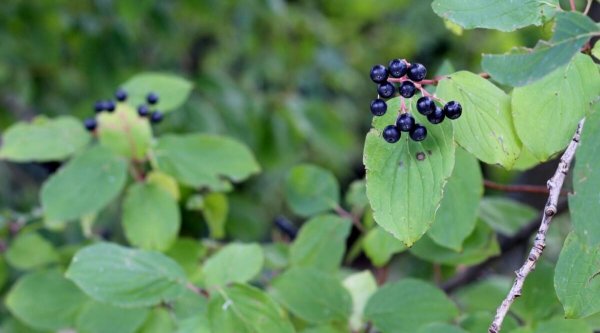
Two species are primarily responsible for the invasion: common buckthorn (Rhamnus cathartica) and glossy buckthorn (Frangula alnus). Both are deciduous, but they have distinct characteristics that aid in identification. Common buckthorn is often found in woodlands and roadsides, thriving in dappled sun with well-drained soil. It leafs out early in spring and holds its leaves late into fall, making it easier to spot during those transitions. Its oval, dark green leaves have finely toothed edges and 3-5 curved veins on each side of the midrib. In May, small, green-yellow, four-petaled flowers appear, followed by clusters of green drupes that turn black and persist through winter. The bark is gray to light brown with raised lenticels and sharp thorns, and a distinctive pair of buds at the branch tips resembles a buck's hoof.
Glossy buckthorn, in contrast, prefers wet soils and is commonly found in marshes, bogs, and along riverbanks. It has a slightly shorter, more rounded form. Its leaves are also oval and dark green but have 8-9 curved veins per side. The flowers are creamy yellow with five petals and bloom slightly later in early summer. Unlike common buckthorn, glossy buckthorn lacks thorns, and its bark is often mistaken for cherry or lilac, with orange-yellow to pink sapwood visible when scratched.
How Buckthorn Spreads and Why It's So Persistent
Buckthorn's success lies in its dual reproductive strategies. It produces suckers from root clumps, allowing colonies to expand underground, and it disperses seeds over long distances through birds and mammals that consume its berries. These seeds can remain viable in the soil for up to five years, making eradication a multi-year effort. Additionally, buckthorn has no natural predators in North America and hosts pests like crown rust fungus and soybean aphids, further disrupting local ecosystems. Its extended growing season—longer than any other deciduous plant—allows it to shade out native species, including those that stabilize soil and prevent erosion.
Removal Methods: Manual, Biological, and Chemical
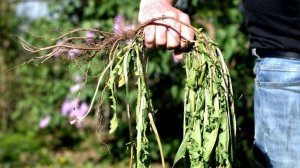
Control strategies range from simple manual removal to targeted chemical applications. For small seedlings (up to 1 inch in diameter), hand-pulling in moist soil is effective, provided the entire root is removed. Tools like a Weed Wrench or Root Talon can assist with slightly larger stems. For mature shrubs or trees, cutting close to the ground and immediately treating the stump with herbicide—or covering it with a plastic bag for up to two years—is necessary to prevent resprouting.
Biological control offers an eco-friendly alternative: grazing goats. Goats can consume buckthorn without ill effects, and their droppings fertilize the soil. However, this method requires multiple sessions and is not always practical for large infestations.
Chemical control should be a last resort due to environmental risks. Products containing glyphosate or triclopyr can be applied as a foliar spray on small plants when they are actively photosynthesizing, or painted directly onto freshly cut stumps for larger specimens. Careful adherence to manufacturer instructions is essential to avoid harming nearby vegetation.
Prevention and Long-Term Management
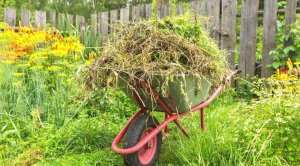
Proper disposal of removed buckthorn is critical. Do not compost or leave debris in natural piles, as seeds may spread. Instead, seal plant parts in plastic bags and cover stumps with black plastic or a tin can for up to two years. Follow-up treatments are necessary for several seasons, as seeds can germinate long after initial removal. Regular mowing and weed whacking in maintained areas can also deter re-establishment.
Planting native species that compete well with buckthorn—such as gray dogwood, sumac, elderberry, and bladdernut—can help crowd out new invasions. Community awareness and shared knowledge are equally important; discussing control methods with neighbors and local green groups can amplify eradication efforts.
While complete elimination is unrealistic, consistent management can keep buckthorn in check. Landowners who persist through several seasons of treatment and monitoring can reclaim their landscapes from this tenacious invader.