Gardeners battling invasive plants often find themselves at a crossroads, choosing between aggressive chemical treatments and time-consuming manual labor. Yet there is a middle path: a suite of eco-conscious tactics that rely on physical removal, light deprivation, and careful cutting, all without synthetic herbicides. These methods, which include hand pulling, cardboard smothering, tarp occultation, solarization, and repeated chopping, offer a sustainable approach to reclaiming garden beds.
The key to success, experts say, is early intervention. Young seedlings are far easier to remove than mature specimens, which anchor themselves with deep roots and sprawling stems. However, even established invasions can be managed with patience and the right technique. The choice of method depends on the specific plant, the size of the infestation, and the gardener's available time and energy.
Hand Pulling: The Foundation of Weed Control
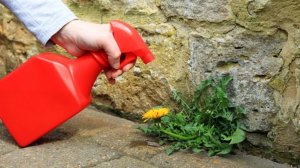
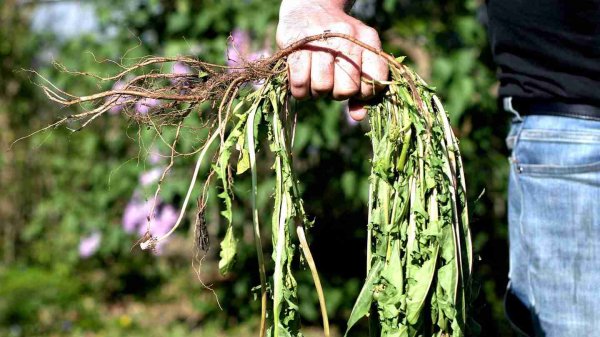
Hand pulling remains the most straightforward and widely used strategy. Wearing gloves, gardeners can pull weeds directly from the soil, ensuring that roots are removed to prevent regrowth. This method is best suited for small patches or when weeds appear sporadically. However, some invasive species, such as Tree of Heaven, respond to pulling with even more vigorous growth, requiring complete root removal and careful monitoring.
For plants with rhizomes or stolons that root along the ground, it is crucial to extract all rooting stems to avoid new sprouts. Gentle, slow pulling helps ensure that roots come out intact, rather than snapping off and leaving fragments behind.
Smothering and Solarization: Cutting Off Light and Air
For larger areas, smothering with cardboard or tarps offers a low-maintenance solution. Cardboard, free of tape and plastic, can be laid over invasive patches, weighed down with rocks or bricks, and left to block sunlight and air. After three to four weeks, the weeds die, and the cardboard breaks down into the soil, allowing direct planting or the addition of compost on top.
Occultation, a similar technique, uses opaque tarps, preferably black, to amplify heat and block light, effectively zapping plants underneath. This method is ideal for lazy gardeners and can be used on large patches. After three to four weeks, the tarp is removed, and the ground is ready for new plantings.
Solarization, on the other hand, employs clear tarps to harness the sun's rays, creating intense heat that burns invasive plants. This method requires at least three to four weeks of sunny weather and is most effective in warm climates. Gardeners should be cautious not to leave tarps in place for too long, as they can degrade into small pieces that are difficult to remove.
Cutting and Chopping: Managing Tough Invaders
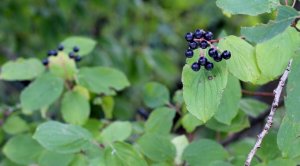
For thorny or woody invasives like Himalayan blackberries, cutting and chopping are more practical than pulling. Repeatedly cutting new sprouts before they mature starves the plant of energy, eventually killing it. While some may consider painting herbicides on cut stumps, this practice is not truly eco-friendly, as synthetic chemicals can persist in the soil and harm surrounding vegetation and microbes.
Lawn mowers can be effective for tender weeds, while woody specimens require manual cutting with pruners or shears. Consistent effort is key, as new sprouts will emerge after each cut.
Preventing Seed Spread and Covering Soil
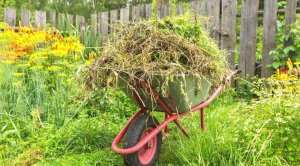
Another preventive measure is snipping seed heads before they fall. Many short-lived weeds, such as nipplewort and forget-me-nots, produce vast quantities of seeds that spread easily. Removing flowers and seed heads, and disposing of them away from the garden, reduces future seedlings. However, this method does not kill the plant and is not suitable for perennial weeds.
Finally, covering bare soil with mulch or planting native species helps prevent invasive colonization. Bare ground invites weeds, so using compost, leaf mold, straw, or wood chips not only suppresses weeds but also feeds the soil. Native plants, in particular, support local ecosystems by feeding pollinators and providing habitat, while also outcompeting invasive species.
In summary, managing invasive garden flora does not require harsh chemicals. By combining these eco-friendly tactics, gardeners can maintain healthy, vibrant gardens while protecting the environment.