Weeds in gravel can be a persistent nuisance, but they are not invincible. Whether you prefer an active approach like pulling or a passive one like covering, there are several proven strategies to reclaim your landscape. Acting early on young weeds is key, but even mature infestations can be managed with the right techniques.
Here are seven methods that can help you eliminate weeds from gravel areas, each with its own advantages and considerations.
Flame Weeding: A Direct Approach
Using a handheld propane torch to sear weed tops is a quick and effective method. The intense heat weakens the plants, making it harder for them to regrow. Since gravel is non-flammable, this technique is safe for the surface itself. However, caution is essential: avoid using a torch near dry debris, grass, or trash, which can catch fire. It's also wise to refrain from flame weeding during fire season or in fire-prone areas. For stubborn weeds like dandelions and teasel, which may resprout from roots, repeat the treatment every two weeks or monthly.
Solarization and Occultation: Harnessing Sun and Shade
Solarization involves laying a clear plastic sheet over the gravel and weighing down the edges with rocks or bricks. The sun heats the soil beneath, effectively cooking the weeds. This method works best in spring or summer when temperatures are high and sunlight is abundant. Leave the tarp in place for at least a month.
Occultation, on the other hand, uses a dark, opaque tarp to block light, preventing photosynthesis. This technique works well in spring, summer, and fall, though it is less effective in winter. It takes about four weeks or longer; periodically lift the tarp to check if the weeds have turned yellow and brown, indicating they are dead.
Replenishing Gravel and Hand Pulling
Over time, dirt and dust accumulate between gravel pieces, creating a seedbed for weeds. Adding a fresh layer of gravel can smother small seedlings. First, remove the largest weeds by hand, then spread new gravel to bury the rest. This method may not stop the toughest weeds that can push through, so combine it with other techniques for best results.
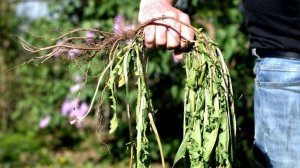
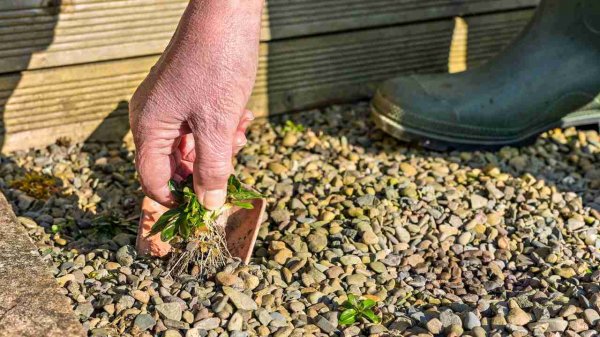
Hand pulling remains a reliable, straightforward method. Using tools like the CobraHead Weeder, you can remove weeds, ensuring you get as much of the root as possible. Species like dandelions and blackberries can regrow from root fragments, so monitor the area and pull any new sprouts. Repeated pulling depletes the plant's energy reserves, eventually killing it.
Preventing Seed Spread and Using Salt
If weeds have matured, preventing them from seeding is crucial. Simply snipping off flowers or seed heads can stop future generations. However, some weeds may regrow flowers, so you might need to pull the entire plant if it persists.
Applying salt to gravel is another option, but it is a drastic measure. Salt kills plants and can harm soil life, microbes, and beneficial insects. It should only be used in areas far from garden beds, waterways, or wild sites. Apply salt to the cracks where weeds sprout, and avoid watering the area for a few weeks to let it take effect.
Each of these methods has its place, and the best approach depends on your specific situation, the type of weeds, and your willingness to invest time and effort. By staying consistent and combining strategies, you can achieve a weed-free gravel landscape that lasts.