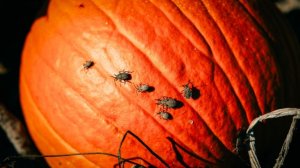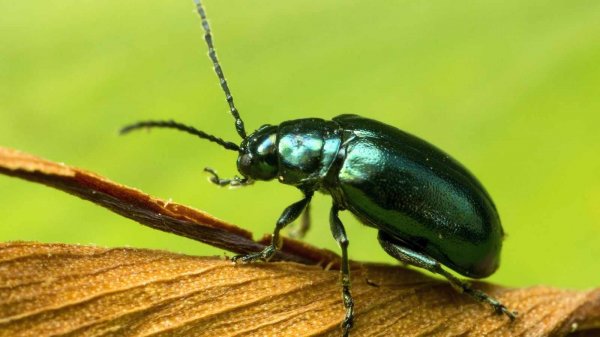
Flea beetles, despite their name, are not fleas. They are a group of small, jumping beetles that can cause significant damage to vegetable crops across the United States. While they do not bite pets or humans, their feeding habits can devastate gardens, leaving leaves riddled with small holes and, in severe cases, skeletonized. This article provides an overview of the most common species, their life cycle, and the practical steps gardeners can take to manage them.
Common Species and Their Preferred Hosts
Flea beetles belong to the tribe Alticini within the family Chrysomelidae. While there are many species, most garden pests fall into two categories based on their preferred food plants: cruciferous (Brassicaceae) or solanaceous (Solanaceae).
The crucifer flea beetle, a small black beetle found in the northern United States, targets plants like cabbage, broccoli, and radish. The horseradish flea beetle, identified by a light brown stripe on each side, is also found in the north, east of the Rockies, and prefers horseradish. The striped flea beetle, with crescent-shaped stripes, lives in both eastern and Pacific regions and also favors cruciferous plants. The western black flea beetle, found in the western states, is another Brassicaceae feeder.
Among the solanaceous feeders, the eggplant flea beetle, a textured black insect, is common in the east and prefers eggplants. The potato flea beetle, tiny and shiny black, targets potatoes and tomatoes and is found east of the Rockies. The tobacco flea beetle, brown with darker spots, is common in warmer regions and has a wide diet. The tuber flea beetle, a major problem in the Pacific Northwest, feeds on tuberous roots of Solanaceae plants. The western potato flea beetle is widespread in the west, and the pale striped flea beetle, found in warmer areas like California, has an extremely broad host range, including corn, cotton, and strawberries.
Life Cycle and Habitat
Flea beetles overwinter as adults, hiding under leaves, dirt clods, or in protected areas. In spring, they emerge over a few weeks and feed on plants before laying eggs in soil cracks near the base of host plants. Larvae feed on root hairs or plant matter in the soil, but with the exception of the tuber flea beetle, they are not particularly harmful. After pupating in the soil, new adults emerge, and most species produce at least two generations per year, with warmer climates allowing for three or more.
These beetles live near their host plants and require shelter from predators, often found under leaf litter or rocks. Their feeding damage is most noticeable in the adult stage, causing mottled yellowing and browning on leaves, and in severe cases, complete skeletonization.
Control Strategies: From Trap Crops to Beneficial Nematodes
Gardeners have several effective, non-chemical options to manage flea beetles. One approach is to plant trap crops—sacrificial plants that are more attractive to the beetles. Once the beetles congregate on these plants, they can be destroyed. Interplanting susceptible crops with less appealing ones can also slow the beetles' spread. Some plants, like catnip and basil, naturally repel them.
Encouraging beneficial insects is another key strategy. Braconid wasps and tachinid flies are natural predators of flea beetles, and while they cannot be purchased commercially, planting flowering herbs like dill and yarrow can attract them. Beneficial nematodes applied to the soil can also target larvae during pupation.
Yellow sticky traps are a simple, effective tool for capturing adult beetles, though they will also trap beneficial insects. For prevention, floating row covers can protect young seedlings, provided the soil was tilled first to expose any overwintering beetles. Food-grade diatomaceous earth, kaolin clay, and neem oil are other preventive measures that deter feeding.
Addressing Common Concerns
For gardeners who use row covers, hand-pollination with a Q-tip can allow them to keep the covers in place while ensuring fruit set on flowering crops. For large areas like lawns, targeted sprays may be necessary, as preventive powders are easily disturbed by foot traffic or watering.