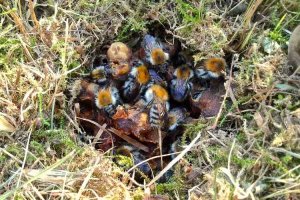
Ground bees, though beneficial as pollinators, can disrupt outdoor spaces. This article outlines safe, practical methods to manage their presence, from preventive lawn care to non-lethal deterrents, and clarifies when professional help is advisable.
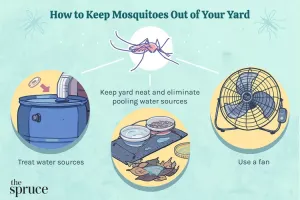
Citronella candles offer only minimal, localized protection against mosquitoes. Experts recommend a multi-pronged approach: eliminating standing water, using fans, and applying effective repellents like Picaridin to significantly reduce bites and breeding.
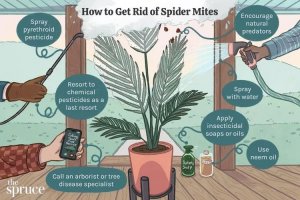
Spider mites, tiny arachnids that damage plants by sucking juices, can be controlled through several methods ranging from water sprays to chemical pesticides. This article outlines seven practical approaches, including rubbing alcohol, insecticidal soaps, and encouraging natural predators, along with prevention tips and answers to common questions.
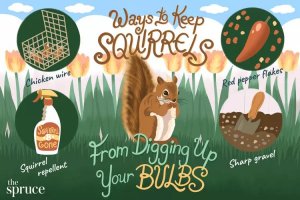
Squirrels and chipmunks can ruin spring bulb displays by digging up tulips and crocuses. This article outlines effective, low-cost strategies—from physical barriers to natural repellents—to keep your garden intact through the planting season.
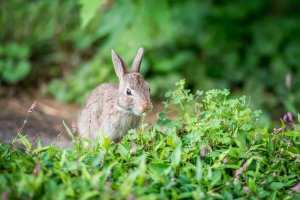
Rabbits can devastate gardens, but choosing the right plants can reduce damage. This guide lists rabbit favorites and resistant species, helping gardeners plan a more resilient landscape.
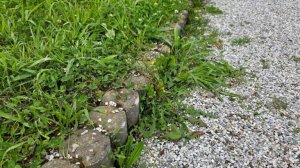
Dealing with grass invading flower beds requires a tailored approach depending on the extent of the problem and proximity to ornamentals. From chemical options like broad-spectrum and selective herbicides to manual removal and organic tactics, this guide outlines practical methods for reclaiming garden space.
Clover, often dismissed as a weed, offers surprising benefits for lawns, including drought tolerance and pollinator attraction. However, its tendency to spread and attract bees may prompt some homeowners to remove it. This article explores the pros and cons and offers removal methods for those who decide against it.
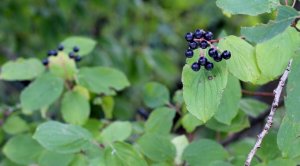
Buckthorn, introduced in the 1800s as a privacy hedge, has become a pervasive invasive threat across temperate regions. This guide details identification of common and glossy buckthorn, explains its spread mechanisms, and outlines manual, biological, and chemical control methods for landowners.
Gardeners facing invasive plant overgrowth can use eco-friendly methods such as hand pulling, cardboard smothering, occultation with tarps, solarization, and targeted cutting. These techniques avoid synthetic herbicides and promote healthier soil while managing weeds effectively.
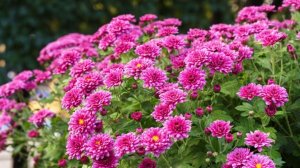
Chrysanthemums, long valued for their vibrant fall display, also contain natural compounds that repel and control common garden pests. This article explores their pest-deterring properties, companion planting strategies, and the use of pyrethrin-based insecticides.
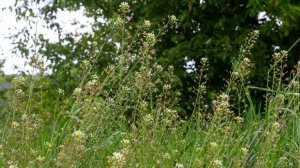
As autumn approaches, gardeners face a surge of invasive weeds that can overrun beds and lawns. This guide identifies eleven aggressive species—from lemon balm to annual bluegrass—and offers practical removal strategies to keep your garden healthy through the season.
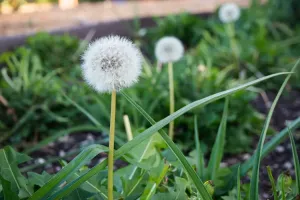
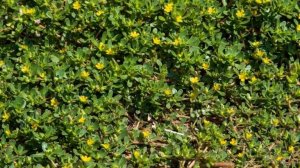
This article provides a practical guide to identifying and managing 23 common lawn weeds, from field bindweed to lawn burweed. It covers each weed's characteristics, growth habits, and effective removal strategies, including cultural, mechanical, and chemical controls. Whether you're a homeowner or gardener, this guide helps you tackle weed problems with confidence.
Many home gardeners inadvertently worsen pest problems by relying on broad-spectrum pesticides and reactive tactics. This article outlines seven frequent mistakes and offers sustainable, non-toxic alternatives, emphasizing prevention, biodiversity, and ecological balance to protect plants, pollinators, and human health.
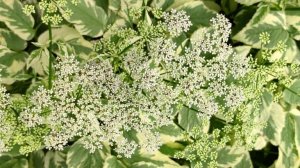
Goutweed, a hardy ground cover, is a serious invasive threat in several U.S. states. This article outlines practical methods for identification and removal, including digging, smothering, mowing, and controlled burning, emphasizing persistence and a long-term approach.
Gardeners often view weeds as a nuisance, but these resilient plants can be transformed into valuable resources. From enriching compost with nitrogen to serving as indicators of soil conditions, weeds offer practical benefits. This article explores methods to repurpose weeds for healthier soil and even a tasty meal.
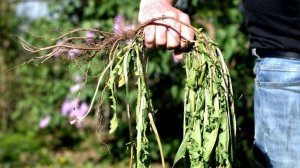
Gardeners often face weeds that defy removal due to deep roots, prolific seeding, or herbicide resistance. This guide profiles twelve of North America's most stubborn weeds, detailing their survival strategies and offering practical, long-term control methods. Understanding these invaders is key to effective management.
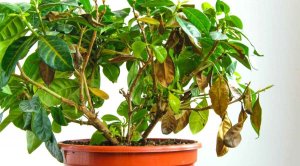
Gardenias are prized for their fragrance but can be sensitive to water, soil, and light imbalances that cause yellowing leaves. This guide outlines the common causes—from overwatering to nutrient deficiencies—and provides practical fixes to help gardeners restore their shrubs to health.
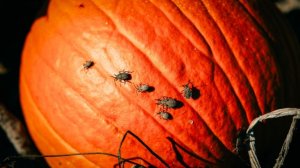
Growing pumpkins can be rewarding, but several common insects threaten the crop. This guide details the most destructive pests, including squash bugs, vine borers, and cucumber beetles, and offers practical prevention and removal strategies for gardeners.
Learn how to prevent weeds from taking over ground cover plants during the crucial first one to two growing seasons. Strategies include dense planting, using cardboard as a temporary barrier, applying mulch, and early weed removal.
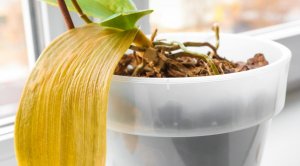
Orchids, though often seen as finicky, can flourish with the right care. This guide outlines common errors in potting, watering, lighting, and maintenance, offering practical corrections to help growers keep their plants vigorous and blooming.