Homeowners often wage war against clover and other common lawn weeds, but these resilient plants may be more ally than enemy. While many consider clover a nuisance, it offers a range of ecological and practical benefits that are prompting a re-evaluation among gardeners and turf managers. Understanding the full picture—both the advantages and the potential downsides—can help you make an informed decision about your own lawn.
Clover, a legume with distinctive three-toothed leaflets, is a diverse group of plants. The most familiar type, white clover (Trifolium repens), is just one of over 300 species. Its reputation as a weed stems largely from aesthetic preferences, leading many to treat it with herbicides. Yet, this hardy plant thrives in conditions where traditional turfgrass struggles, making it a resilient and low-maintenance alternative.
Why Clover Is Gaining Ground
Clover's resurgence in popularity is driven by its numerous benefits. It requires no fertilizer, as it naturally fixes nitrogen in the soil, reducing the need for chemical inputs. Its deep root system makes it notably drought-tolerant, staying green even in dry spells. For those seeking to reduce lawn maintenance, clover also requires less frequent mowing. Furthermore, it attracts pollinators like bees, supporting local ecosystems. These qualities make it an affordable and environmentally friendly choice for lawns, particularly those lacking in nutrients.
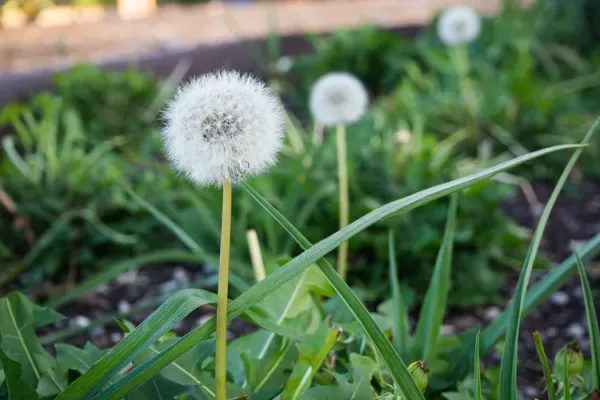
Beyond clover, other common weeds can also play a beneficial role. Dandelions, goldenrod, yarrow, ground ivy, plantain, and chickweed are among the plants that can enhance lawn health. Many of these so-called weeds are genetically robust, thriving with minimal intervention and contributing to a more resilient turf.
When Clover Becomes a Problem
Despite its advantages, clover is not without its drawbacks. For households with children, the presence of bees attracted to clover flowers can be a concern. Clover also has a tendency to spread aggressively into garden beds, requiring vigilance to keep it contained. Additionally, it may need to be re-seeded every couple of years to maintain a dense stand, which is a consideration for those seeking a permanent solution.
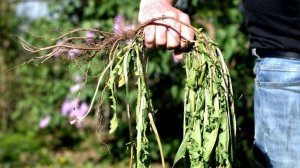
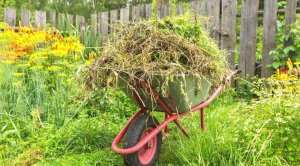
For those who decide that clover is not right for their lawn, several removal methods are available. Raising the mowing height can help suppress clover, as it prefers shorter turf. Broadleaf herbicides are specifically designed to target plants like clover and are effective in eradicating it. Natural alternatives, such as corn gluten or a homemade mixture of vinegar and dish soap, offer a more eco-friendly approach. Hand-pulling, while labor-intensive, is a straightforward method for small infestations.
Making the Right Choice for Your Yard
Ultimately, whether to keep or remove clover depends on your priorities. If you value a low-maintenance, pollinator-friendly lawn that thrives without chemical fertilizers, clover may be an ideal choice. Conversely, if you have young children or prefer a uniform grass appearance, you may opt for removal. Understanding the trade-offs is key to creating a lawn that meets your needs and aligns with your environmental values.