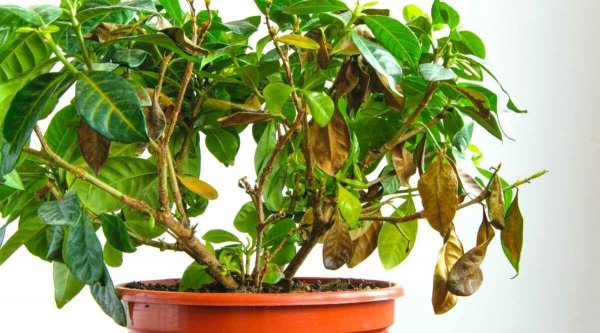
Gardenias, with their creamy white blossoms and heady fragrance, are a summer favorite in many warm climates, including Florida, where they thrive in the heat. Yet even these hardy shrubs can signal distress when their glossy green leaves begin to yellow. The cause often lies in an imbalance of water, nutrients, light, or soil conditions—factors that gardeners can usually correct with careful observation and timely action.
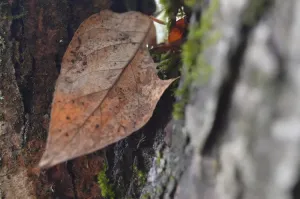
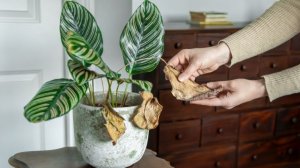
Yellowing foliage is not always a problem. As gardenias age, older leaves at the bottom of the plant naturally turn yellow and drop, especially in fall or winter. If only a few leaves are affected and the condition doesn't spread to newer growth, it's likely just the plant's normal cycle.
Watering: Too Much or Too Little
Gardenias prefer about an inch of water per week. Overwatering, whether from frequent irrigation or heavy rain, can cause widespread yellowing of lower leaves. If this occurs, pause watering for a few weeks to see if the spread stops. Persistent overwatering may lead to root rot, a more serious issue often caused by fungal pathogens like Phytophthora or Pythium, which thrive in waterlogged soil.
Underwatering, on the other hand, affects the leaves farthest from the roots first. These leaves turn yellow, dry out, and fall off. A simple increase in watering—especially during dry spells or in sandy soils that heat up quickly—can remedy the problem. Newly planted gardenias need more frequent watering than established ones.
Soil and Drainage: The Foundation of Health
Gardenias require well-draining soil; they cannot tolerate wet feet. Clay-heavy or compacted soil often leads to poor drainage, mimicking overwatering symptoms. If adjusting the watering schedule doesn't help, the soil itself may be the culprit. For young plants, relocating to higher ground is often the best solution. For mature shrubs, amending the soil with organic matter—such as compost, manure, shredded bark, or peat moss—can improve aeration and water flow.
Soil pH is another critical factor. Gardenias prefer slightly acidic soil (pH 6.5 or lower). In alkaline conditions, nutrients like iron become unavailable, causing leaves to yellow while veins remain green. Elemental sulfur can acidify the soil over time, though it may take years of regular application. While compost and pine mulch are often touted as natural acidifiers, they are more valuable for their organic content and moisture retention than for long-term pH adjustment.
Nutrient Balance and Fertilization
Nutrient deficiencies are at the heart of many yellowing problems. Gardenias need iron, copper, nitrogen, phosphorus, and potassium. Fertilizing during the growing season—spring and summer—supports new growth and healthy foliage. However, overfertilizing can burn the plant, causing yellow leaves with brown edges and patches. If you suspect excess fertilizer, flush the soil with water to dissolve minerals, then pause fertilizing for a few months. Organic granular fertilizers release nutrients slowly, reducing the risk of overfeeding.
Light and Temperature: Finding the Sweet Spot
Gardenias need full morning sun—at least six hours—to produce enough chlorophyll. Insufficient light leads to sparse, leggy growth and yellow leaves. Conversely, too much afternoon sun can scorch foliage and fade blooms. If relocation isn't possible, planting a larger shrub nearby or using shade cloth during peak summer can provide relief.
Cold weather also poses a threat. While gardenias are surprisingly cold-tolerant, prolonged freezing temperatures or harsh winds can damage leaves. Covering plants with frost cloth or planting in a sheltered spot can prevent damage, which cannot be reversed once it occurs.
In most cases, yellowing gardenia leaves are a cry for help that attentive gardeners can answer. By diagnosing the specific cause—whether it's water, soil, nutrients, light, or cold—you can take corrective steps and enjoy your gardenia's beauty for years to come.