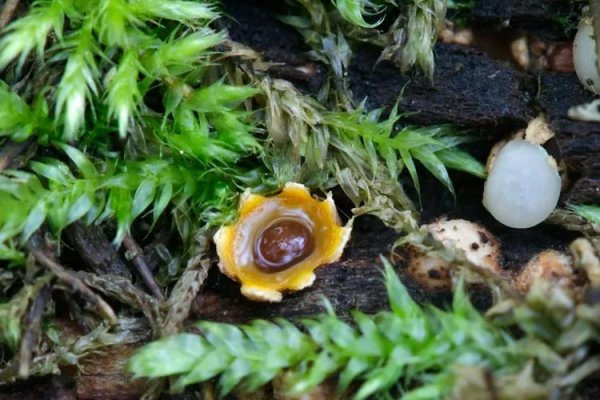
Homeowners noticing tiny, tar-like black specks on their siding, windows, or vehicles might be dealing with more than just dirt. The culprit could be artillery fungus, a common organism that thrives in wood chip mulch and ejects its spores with surprising force. While unsightly, this fungus poses no health threat to humans or pets and does not damage plants or structures.
Known scientifically as Sphaerobolus stellatus, this fungus develops on decaying wood in moist conditions. Its name comes from its unique dispersal method: mature fruiting bodies build up internal pressure until they burst, launching dark, sticky spores—each about 1 to 2 millimeters in diameter—toward light sources. These spores can travel up to 20 feet, often landing on light-colored surfaces where they adhere firmly thanks to a natural glue-like coating.
Identifying artillery fungus requires a close look. Under a magnifying glass, the spores appear globe-shaped. If you scratch the dark outer layer, you'll find a whitish, granular, gummy interior—a key distinguishing feature from insect droppings or sap.
Why It Appears and When
Artillery fungus thrives in wood chip mulch, but it can also grow on rotting logs, fallen trees, and even animal dung. It requires both sunlight and moisture, and it prefers the cooler temperatures of spring and fall, typically between 50 and 70 degrees Fahrenheit. When temperatures climb above 78 degrees, the fruiting bodies stop developing, which is why outbreaks often subside in summer.
The good news is that there is no chemical treatment for this fungus. Removal is purely mechanical, and timing matters. The sooner you address the spots—ideally within two to three weeks of their appearance—the easier they are to clean. Over time, the stains set and become increasingly stubborn.
Removal Methods by Surface
The right cleaning approach depends on the surface. For gentle removal, scraping followed by soap and hot water works well. On non-porous surfaces like vinyl siding or glass, a solution of one cup of bleach per gallon of water can be effective, but always test a small area first to avoid damage. For tougher stains, power washing is an option, though it should only be used on surfaces that can withstand the pressure.
Porous materials, such as wood siding, present a bigger challenge. In these cases, only the top layer of the spore may be removable, and some staining could be permanent.
Prevention: Choosing the Right Mulch
Since artillery fungus primarily originates in wood chip mulch, switching to a different type of mulch is the most effective preventive measure. Bark mulch and cedar mulch are known to be resistant to this fungus. Redwood and cypress mulches, while also resistant, are not recommended due to sustainability concerns related to the depletion of native forests.
Keeping mulch dry is another strategy. In small yards, regularly stirring the mulch can help it dry out and discourage fungal growth. If an infestation persists, the safest approach is to remove all affected mulch and replace it with a resistant type. Simply covering the old mulch with a new layer is only a temporary fix, as the fungus will eventually push through. Dispose of contaminated mulch in the trash—do not compost it or dump it elsewhere in your yard, as this can spread the problem.
For unplanted areas, consider non-organic ground covers like stone or gravel, which eliminate the food source entirely. While artillery fungus can be a persistent nuisance, understanding its habits and taking proactive steps can help keep your home and garden free of these sticky black spots.