Gardeners know that not all plants are friendly to the touch. While many species offer beauty and bounty, a select group can cause skin irritation ranging from mild itching to severe blistering. This guide highlights 13 such plants, detailing the specific compounds that trigger reactions and offering practical tips for safe handling.
Among the most notorious are members of the Toxicodendron genus, including poison ivy (Toxicodendron radicans), Atlantic poison oak (Toxicodendron pubescens), Western poison oak (Toxicodendron diversilobum), and poison sumac (Toxicodendron vernix). These plants contain urushiol, an oily resin that causes an itchy, sometimes painful rash in most people. The rash can develop hours or days after contact, and the oil can linger on clothing, tools, or pet fur, leading to indirect exposure. Recognizing these plants is key: poison ivy has three leaflets, poison oak leaves resemble ivy but with rounded lobes, and poison sumac grows as a shrub or small tree with 7–13 leaflets per leaf.
Plants That Cause Phototoxic Reactions
Another group of plants triggers a reaction only when skin exposed to their sap is then exposed to sunlight. Cow parsnip (Heracleum maximum), also known as giant hogweed, and wild parsnip (Pastinaca sativa) both contain furanocoumarins, which cause phytophotodermatitis. This condition leads to red, painful skin and sometimes blisters after sun exposure. Cow parsnip grows 3–10 feet tall in moist areas, while wild parsnip, an invasive biennial, is often found along roadsides and in disturbed meadows. Wearing long sleeves and gloves when working near these plants is essential.
Stinging nettle (Urtica dioica) is another common irritant, known for its tiny hair-like spines that inject a burning sensation upon contact. Found in moist soils across the U.S., this plant spreads by rhizomes and seeds, often forming large patches. Cooking the leaves neutralizes the sting, making them safe to eat, but gardeners should avoid bare-skin contact.
Everyday Garden Plants That Can Irritate
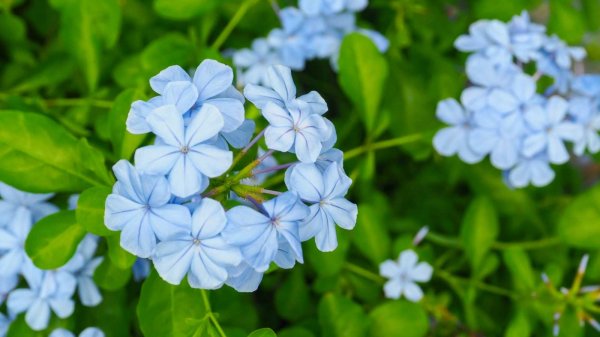
Some irritants are less obvious. Okra (Abelmoschus esculentus) is a warm-season vegetable whose leaves and pods can cause intense itching, often called “okra itch.” The exact cause is debated, but fine hairs or enzymes are suspected. Long sleeves and gloves are recommended during harvest. Baby’s breath (Gypsophila paniculata), a popular cut flower, can cause a red rash in sensitive individuals. German primrose (Primula obconica) secretes primin and primetin from leaf hairs, leading to skin irritation. Cape leadwort (Plumbago auriculata) contains plumbagin, which can cause blisters in some people.
Annual ragweed (Ambrosia artemisiifolia) is well-known for its pollen, but touching the plant can also cause an itchy rash in some people, appearing one to two days later. Poodle-dog bush (Eriodictyon parryi), native to southern California, has tiny hairs on its leaves that cause a red, itchy rash; it often grows in recently burned areas. Even common nettle (Urtica dioica) can be a hazard, though its sting is temporary.
For anyone who experiences a severe reaction, seeking medical advice is crucial. This list is not a substitute for professional care, but it can help gardeners identify potential hazards and take preventive measures. Simple steps—wearing gloves, long sleeves, and washing exposed skin and clothing—can greatly reduce the risk of irritation.