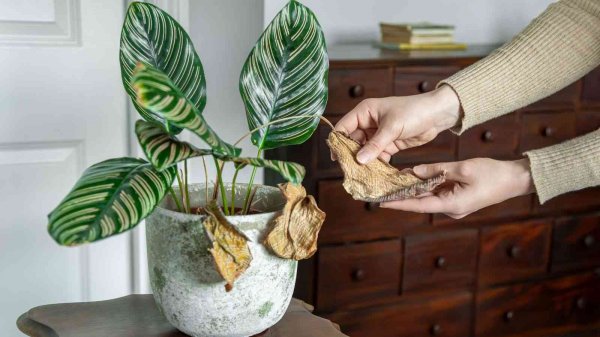
Calatheas, with their vividly patterned leaves, are a favorite among indoor gardeners, but they are also known for being temperamental. When a calathea starts to show signs of distress—wilting, curling, yellowing, or discolored spots—it's often a signal that something in its environment is off. The good news is that most calathea problems are fixable once you identify the underlying cause.
This guide walks through the most frequent issues and provides clear, actionable solutions to help your plant recover and thrive.
Wilting and Curling: Water and Humidity Issues
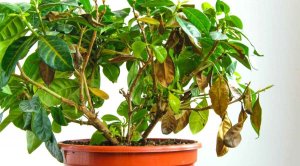
Wilting is often the first visible sign that a calathea is unhappy. The most common culprit is underwatering. When the plant doesn't get enough water, its cells lose turgor pressure, causing leaves to droop. A deep watering—either from the top or bottom—usually revives the plant within a few hours.
However, if the soil is still moist, overwatering may be the problem. Excess moisture can lead to root rot, which makes stems mushy and leaves wilt. In severe cases, repotting in fresh, well-draining soil is necessary.
Curling leaves are another distress signal. Calatheas curl their leaves inward to conserve moisture and protect themselves from harsh conditions. Underwatering and low humidity are the primary triggers. If the humidity around your plant drops below 40%, consider using a humidifier. If humidity is adequate, check for other stressors like direct sunlight, high temperatures, or cold drafts.
Yellowing Leaves and Brown Edges: Overwatering and Water Quality
Yellowing leaves are often a sign of overwatering. Waterlogged soil prevents roots from getting oxygen, leading to fungal growth and root rot. If the soil stays soggy, allow it to dry out slightly before watering again. If the problem persists, repotting may be required to remove infected roots and soil.
Brown edges on leaves typically indicate a moisture issue—either underwatering or low humidity. But another common cause is the quality of water. Calatheas are sensitive to chemicals like chlorine and fluoride found in tap water, which can cause salt buildup in the soil. Flushing the soil with filtered water and switching to filtered water for future watering can help. Also, avoid fertilizing for a couple of months to allow the plant to recover.
Pest Infestations: Spots, Webs, and Bumps
Yellow or brown spots scattered across leaves are a strong indicator of sap-sucking pests. Common culprits include mealybugs, spider mites, and scale insects. The first step is to isolate the affected plant to prevent the pests from spreading. Treat with insecticidal soap or horticultural oil, repeating applications as directed until the pests are gone.
Mealybugs are identifiable by the white, fluffy substance they leave on leaves and stems. Spider mites are harder to see but leave fine webbing between leaves and stems. Scale insects appear as small bumps on stems, where they attach and feed on the plant's nutrients.
Fungus gnats are another pest that can plague calatheas, especially in low-light areas where the soil stays wet. Sticky traps can catch adult gnats, and repotting in fresh soil can help eliminate larvae. A soil drench may also be effective, though it should be used with caution.
Dull Color and Other Issues
If your calathea's vibrant colors fade, it's likely getting too much direct sunlight. These plants thrive in bright, indirect light. Move them away from intense rays or use sheer curtains to filter the light. Too little light can also cause problems, leading to stunted growth and yellowing leaves.
Mushy stems are a serious sign of root rot, which requires immediate action. Repot the plant in a pot with good drainage, using a soil mix amended with perlite or coconut coir. Always test the soil moisture before watering to avoid future overwatering.
While calatheas can be finicky, most problems are reversible with the right care. By paying attention to the signs and adjusting conditions accordingly, you can keep your plant healthy and vibrant.