Gardeners who eagerly await the first flush of spring roses may find their anticipation cut short when buds and blooms fall prematurely. This phenomenon, known as bud blast, can stem from a range of factors, including fungal diseases, insect infestations, and environmental stress. Recognizing the specific cause is the first step toward restoring a rose bush to full bloom.
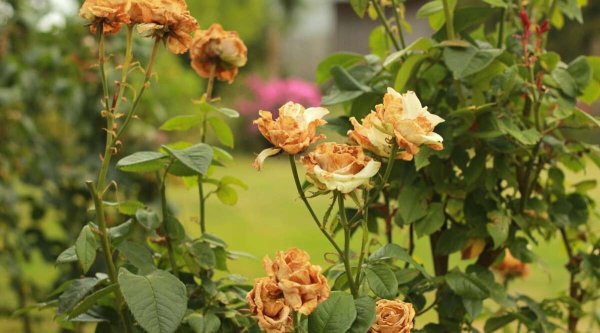
Rose varieties that bloom repeatedly throughout the season naturally shed their petals after each flush, which lasts two to three weeks. This is a normal part of the plant's cycle, not a sign of distress. However, if buds drop before they open, or blooms fall within days of forming, a deeper issue is likely at play.
Fungal Diseases and Moisture-Related Issues
Botrytis blight, caused by the fungus Botrytis cinerea, thrives in the cool, damp conditions of spring and fall. Infected buds may develop brown spots, wither, and drop, while others turn mushy and fail to open. The fungus can also enter canes through wounds, causing cankers that spread. Good sanitation is key: disinfect pruning shears between plants and remove affected parts promptly, as the fungus is resistant to fungicides.
Another moisture-related problem is balling, which occurs when rain saturates the outer petals, causing them to fuse and form a crispy, brown shell that prevents the bud from opening. This is more common in varieties with dense, cupped blooms. Gently prying apart the outer petals may save the bud, but if mold develops, removal is necessary to protect the rest of the plant.
Insect Pests That Target Blooms
Several insects are notorious for causing bud drop. The rose curculio (Merhynchites bicolor), a small red and black weevil about a quarter-inch long, emerges in April or May to feed on buds and lay eggs inside them. Damage includes broken stems and holes in petals. Hand-picking adults into soapy water and removing infested buds can control the pest without insecticides, which often harm beneficial insects.
Aphids, tiny pear-shaped insects, cluster on new growth and suck sap, leading to distorted buds and curled leaves. A strong spray of water from a hose is usually enough to dislodge them, and encouraging natural predators like ladybugs and lacewings helps keep populations in check.
Thrips, which are less than a millimeter long, are harder to spot. They burrow into buds and feed on petal bases, causing brown-edged petals and streaked blooms. Infested buds should be pruned and discarded, and blue sticky traps can help monitor their presence.
Environmental Stressors and Transplant Shock
Temperature fluctuations, particularly late frosts, can cause new buds to turn black and drop. To minimize risk, avoid pruning until six to eight weeks after the last frost date, and stop deadheading before the first frost to encourage dormancy.
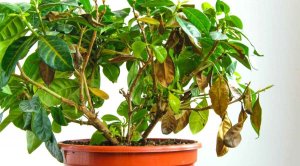
Heat and drought also take a toll. Roses may wilt, develop brown leaves, and drop buds when temperatures exceed 85°F, with more severe stress above 95°F. Mulching heavily, watering at the soil level, and providing afternoon shade can alleviate the strain.
Finally, transplant shock is common after moving a rose, as the fine feeder roots that absorb water and nutrients are often damaged. Watering well and mulching help the plant recover, and pruning back dead growth can redirect energy to healthy parts.
By observing the specific symptoms and timing of bud drop, gardeners can pinpoint the cause and take targeted action. Most issues are treatable, and with proper care, a rose bush can return to producing its coveted blooms.