Gardeners who reach for chemical sprays at the first sign of aphids or hornworms may be setting the stage for bigger problems down the line. Broad-spectrum pesticides, while effective in the short term, can disrupt the natural checks and balances that keep pest populations in check, leading to a cycle of recurring infestations and chemical dependency. According to experts in sustainable horticulture, the key to long-term pest management lies not in waging war on bugs but in fostering a resilient, diverse ecosystem where beneficial insects thrive and pests are kept at bay naturally.
The most common misstep among home growers is a reactive approach—waiting until plants are overrun and then applying harsh chemicals. This strategy, often described as a "war-like" mindset, ignores the fact that gardens are dynamic ecosystems, not sterile factories. When broad-spectrum sprays are used, they kill not only the target pests but also the predatory insects that naturally control them. As a result, pests, which reproduce rapidly—a single aphid can produce up to 80 offspring per week—rebound faster than their predators, leading to even more severe outbreaks.
Less than 1% of all insect species are considered pests, according to entomological data. The vast majority are either beneficial or harmless, playing roles in pollination, decomposition, and pest suppression. Recognizing this, sustainable pest management focuses on prevention and ecological balance rather than eradication.
Prevention Over Reaction: The Core of IPM
Integrated Pest Management (IPM) is a framework that professional growers and increasingly home gardeners use to minimize pest damage while reducing chemical inputs. IPM emphasizes regular monitoring, physical barriers, and the encouragement of beneficial insects. For instance, planting insectary flowers like white alyssum, yarrow, and flowering dill attracts ladybugs, hoverflies, and parasitic wasps—natural predators that keep pest numbers in check.
Another critical preventive measure is removing infested plants promptly. If a plant is beyond salvage—unable to produce harvestable leaves or fruits—it should be pulled and discarded, not composted, to prevent pests from spreading to neighboring crops. Setting a "damage threshold" helps gardeners decide when action is necessary. A home gardener might tolerate a few holes in potato leaves, but Brussels sprouts covered in aphids warrant immediate intervention.
Why Broad-Spectrum Sprays Are Counterproductive
Broad-spectrum pesticides are designed to kill a wide variety of organisms, but their use often backfires. They eliminate natural predators, and over time, pests develop resistance. This phenomenon, known as insect resistance, is a global agricultural problem. Repeated applications of the same chemical select for resistant individuals, rendering the product ineffective and prompting the use of even stronger toxins. Research indicates that homeowners are particularly prone to overusing and misapplying pesticides, often without reading labels thoroughly, which poses risks to family health and the environment.
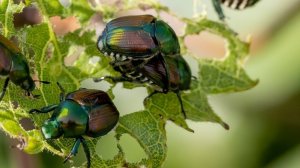
Instead of synthetic chemicals, organic options like neem oil and horticultural oil offer targeted control without the collateral damage. Neem oil, derived from the neem tree, is effective against aphids, whiteflies, spider mites, and Japanese beetles, and it also has fungicidal properties. Horticultural oils work by smothering pests, so they must be applied directly to the insects. Both are biodegradable and less harmful to beneficial insects when used correctly, but they still require careful application and adherence to label instructions.
Diversification and Physical Barriers: Practical Alternatives
Monoculture—growing large areas of a single crop—creates an easy target for specialist pests. For example, tomato hornworms primarily attack tomatoes and their nightshade relatives, so a dense tomato patch is an open invitation. Diversifying plantings through companion planting or interplanting confuses pests and reduces the spread of disease. Mixing varieties of the same crop, such as different types of kale, also enhances genetic diversity and resilience.
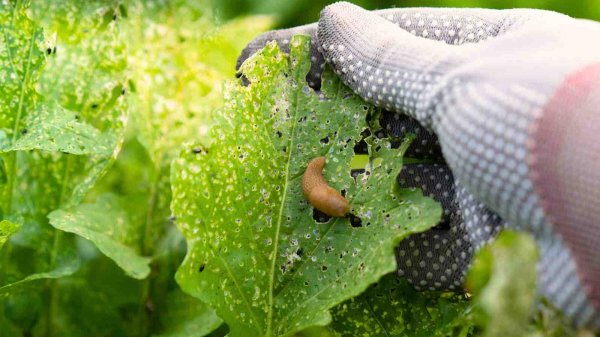
Physical barriers are another non-chemical line of defense. Row cover, a lightweight agricultural fabric, allows sunlight and water to reach plants while excluding flying pests. It is particularly effective for young brassicas like turnips and radishes. Insect netting can keep out even the smallest thrips. For soil-dwelling pests, diatomaceous earth, organic slug baits, beer traps, and seedling collars provide targeted solutions without harming the wider ecosystem.
Timing and Safety: Crucial Considerations
When organic sprays are necessary, timing is critical. Applying them in the heat of the day can scorch leaves and expose pollinators to harmful residues. Early morning or late evening applications are safer and more effective. Additionally, always wear protective gear—such as an N95 mask and gloves—when handling any pest control product, even natural ones like diatomaceous earth, which can irritate lungs if inhaled. Keep children and pets away from treated areas for at least 24 to 48 hours, and always wash produce thoroughly before eating.
Ultimately, sustainable pest management is about shifting from a reactionary, chemical-dependent approach to a proactive, ecological one. By building a garden that supports beneficial insects, diversifying plantings, and using physical and organic controls judiciously, gardeners can reduce pest pressure while protecting the health of their families and the environment. As one expert notes, "Gardening should be fun, not dangerous."