Gardeners who plant ground cover often expect it to naturally suppress weeds, but that benefit only appears after the plants have filled in, which can take one to two growing seasons. During this establishment window, bare soil between young plants invites weed growth, and without intervention, weeds can outcompete the ground cover. Fortunately, a few proactive measures can minimize weed pressure and help ground cover establish faster.
The most direct approach is to reduce the space available for weeds by planting ground cover more densely than the maximum spacing recommended on plant labels. While wider spacing saves money upfront, it leaves gaps where weeds can germinate. By planting closer—for example, if the label says 12 inches apart, try 8 to 10 inches—the plants will knit together sooner, shading the soil and limiting weed seed germination. However, avoid planting so densely that airflow is compromised, as this can lead to fungal problems, especially in humid climates. The ideal spacing varies by species: aggressive spreaders like creeping thyme or ajuga can tolerate wider gaps, while slower growers like creeping phlox or sedum benefit from tighter placement.
Another effective, low-cost method is laying plain, uncoated cardboard between ground cover plants. Cardboard blocks light, preventing weed seeds from germinating, and it decomposes within a growing season, adding organic matter to the soil. Unlike landscape fabric, which can persist for years and interfere with root spread, cardboard is temporary and safe for the soil. To use it, remove any tape or labels, overlap edges by a few inches, and cut holes for the plants. Wet the cardboard thoroughly after laying to keep it in place, and cover it with a layer of mulch to improve appearance and hold moisture.
Mulching and Early Weed Removal
Mulch is a complementary tool that works alongside dense planting and cardboard. A two-to-three-inch layer of organic mulch, such as shredded bark or leaf mold, blocks light, retains soil moisture, and makes it difficult for weed seeds to germinate. Keep mulch a couple of inches away from plant stems to prevent rot. Fine-textured mulches are preferable because they settle between plants more naturally and allow ground cover to spread through them. As the ground cover fills in, the need for mulch decreases, and eventually the plants themselves act as a living mulch.
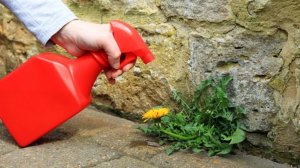
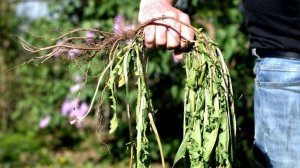
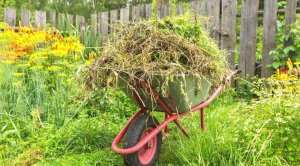
Even with these measures, some weeds will appear. The key is to pull them early, when their root systems are shallow and they come out easily with minimal soil disturbance. A weekly five-minute walk through the area during the first couple of seasons can keep weeds in check. Hand pulling is recommended over using hoes or cultivators, which can damage the shallow roots of ground cover. Always remove weeds before they flower, as a single weed can produce hundreds or thousands of seeds that settle into the sheltered, moist environment that ground cover provides.
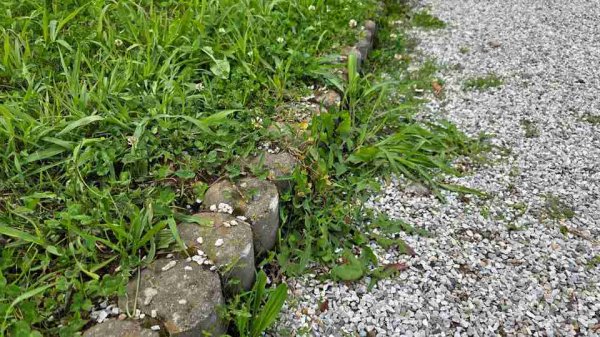
Finally, weed control in surrounding areas is crucial. Weeds from nearby garden beds, lawn edges, or paths can spread seeds into the ground cover. Maintaining clean borders and staying on top of weeds in transition zones reduces the seed pressure. Additionally, ensure that any compost or mulch added to the beds is fully composted, as poorly composted material may contain viable weed seeds that undermine your efforts.
By combining these strategies—dense planting, cardboard barriers, mulching, early hand-pulling, and controlling adjacent areas—gardeners can give ground cover the best chance to establish quickly and eventually suppress weeds on its own.