Orchids have a reputation for being demanding, but many common problems stem from a few easily correctable mistakes. Understanding the plant's natural epiphytic nature—growing on trees rather than in soil—is the first step to providing the right environment. Here's a breakdown of frequent pitfalls and how to avoid them, based on horticultural guidance for indoor and outdoor cultivation.
One of the most critical factors is the potting medium. Standard potting soil retains too much moisture, which can suffocate orchid roots. Instead, a coarse, well-draining mix is essential. Commercial orchid bark mixes, widely available, provide the large particles needed for air circulation and water runoff. For those who prefer a DIY approach, a blend of about 60% fir or pine bark with 40% other coarse materials like charcoal, perlite, coconut fiber, or pumice works well. Charcoal also helps store nutrients and absorb excess minerals.
Choosing the Right Container
The pot itself plays a major role in root health. Most standard planters hold water, which can lead to root rot and fungal infections. Orchid-specific containers come in three main types. Terracotta pots with extra side and bottom holes offer classic looks and wick moisture away from roots. Wooden slatted baskets mimic the orchid's natural habitat, providing excellent airflow, though they are best for outdoor use as mix can spill. Ceramic pots, often with decorative holes, are suitable for indoors, but any attached water dish must be drained after watering to prevent roots from sitting in water.
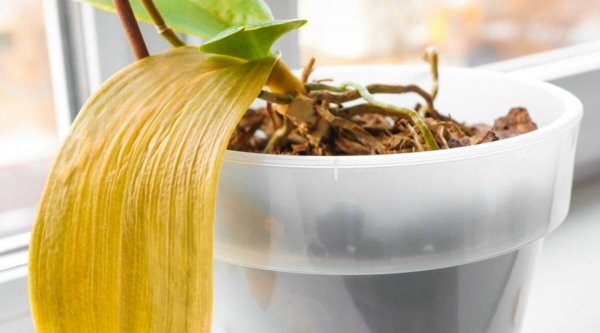
Watering practices are another common source of trouble. Overwatering is a frequent issue; most indoor orchids need water about once a week, allowing the mix to dry out between waterings. Outdoor orchids, especially in summer, may need water every few days. Methods like soaking the roots for a few minutes, watering from the top thoroughly, or even using ice cubes have been shown to be effective, particularly for those prone to overwatering. Conversely, underwatering can stunt growth and flowering. Signs of a thirsty orchid include wrinkled, shriveled leaves and gray, dry roots, as opposed to healthy green or white, plump roots.
Humidity is another key element. Orchids absorb moisture and nutrients from the air, so maintaining humidity between 50% and 80% is ideal. Types like Vandas and Miltonias prefer higher levels, while Phalaenopsis and Cattleyas do well at the lower end. Fertilizing is also important, but balance is crucial. Orchids benefit from feeding every 1-2 weeks during active growth, using a balanced fertilizer diluted to half strength or a specialty orchid formula. Over-fertilizing, especially with undiluted all-purpose fertilizers, can cause root burn. Rinsing roots regularly with clean water helps prevent salt buildup.
Light levels must be managed carefully. Most orchids thrive in bright, indirect sunlight, similar to the filtered light they receive under a forest canopy. Direct sun can burn leaves, especially on sensitive types like Phalaenopsis, where damage is irreversible. Signs of too much sun include pale or bleached leaves. Too little light results in dark green leaves and a lack of flowering, with the plant leaning toward the light source. Regular inspection is vital to catch problems early, such as pests like mealybugs or spider mites, which leave telltale signs like honeydew or fine webs. Isolating any ailing plant prevents the spread of pests and diseases.
Pruning is often misunderstood. Orchids generally do not need regular pruning; removing foliage can drain energy and hinder blooming. However, spent flower spikes can be trimmed back to a node, and damaged leaves should be removed to prevent rot and disease. Air circulation is also crucial to prevent fungal growth in humid environments; a gentle fan can help. Finally, minimize handling—repot only when the mix breaks down or the plant outgrows its container, and avoid misting indoor orchids, as water on leaves and flowers can cause rot.
By addressing these common pitfalls, growers can create conditions that mirror an orchid's natural habitat, leading to healthier plants and more abundant blooms.