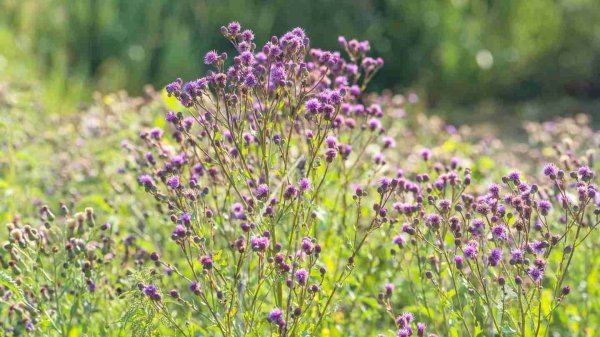
For gardeners, few frustrations match the sight of a weed that returns despite every effort to remove it. Some plants, however, are not just nuisances; they are survival specialists, equipped with deep root systems, prolific seed production, and remarkable resilience. A new field guide highlights twelve of the most tenacious weeds in North America, offering insights into their biology and practical advice for long-term control.
What makes a weed truly difficult? According to the guide, it's a combination of factors: rapid growth, extensive underground networks, and the ability to regenerate from tiny fragments. Many of these plants produce thousands of seeds that can remain viable in the soil for decades, ensuring their return year after year. Understanding these traits is the first step toward effective management.
Deep Roots and Durable Seeds
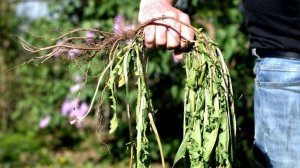
Among the toughest is field bindweed (Convolvulus arvensis), a morning glory relative with delicate white or pink flowers. Its root system can plunge up to 20 feet deep, and even a small root fragment can sprout a new plant. Its seeds remain viable for up to 50 years, making eradication a multi-year project. Similarly, Canada thistle (Cirsium arvense) spreads through rhizomes that can grow 10 feet deep and 15 feet horizontally, with a single plant producing tens of thousands of seeds that can persist for two decades.
Dandelions (Taraxacum officinale), familiar to every homeowner, are perennials with deep taproots. Each flower can produce up to 200 seeds that travel on the wind, and any root left behind can regenerate. Pigweed (Amaranthus retroflexus) takes seed production to an extreme, with one plant capable of generating up to 500,000 seeds in a single season, viable for up to 40 years. Lamb's quarters (Chenopodium album) is similarly prolific, producing 70,000 seeds per plant, and can grow an inch per day.
Resilient Spreaders and Hidden Threats
Quackgrass (Elymus repens) and nutsedge (Cyperus rotundus) are notorious for their underground networks. Quackgrass spreads through tough, brittle rhizomes that can extend several feet, while nutsedge produces tubers that can pop up through mulch and plastic. Both are resistant to many herbicides and thrive in poor conditions. Creeping Charlie (Glechoma hederacea) spreads by runners, rhizomes, and seeds, and can outcompete turf grass even in shade.
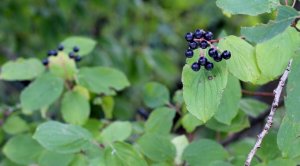
Some weeds pose additional risks. Poison ivy (Toxicodendron spp.) causes severe skin reactions and spreads through deep, woody roots and bird-dispersed seeds. Ragweed (Ambrosia spp.), a major allergen, produces tens of thousands of seeds that can remain viable for 40 years, and its late germination often evades early control efforts. Molucca bramble (Rubus moluccanus), related to raspberries, is a thorny invader in warm climates, rooting at cane tips and spreading through suckers.
Strategies for Control
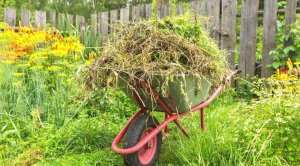
The guide emphasizes that there is no quick fix. For most of these weeds, persistence is key. Hand-pulling is effective only for young plants, and only when the soil is damp to ensure the entire root is removed. Smothering with thick mulch or landscape fabric can block sunlight, but may require an entire season. Repeated cutting or mowing can starve roots over several years, but tilling often makes things worse by scattering root fragments.
Herbicides can be effective for some weeds, but they must be applied repeatedly and at the right time—late summer or early fall for Canada thistle, for example. For poison ivy, cutting the stem and applying herbicide directly is recommended. The guide advises consulting local extension offices for specific herbicide recommendations and always following label instructions.
Ultimately, the best defense is a healthy, dense lawn or garden that crowds out weeds. Cover crops and regular monitoring can reduce open soil and catch new growth early. While these twelve weeds are among the most challenging, understanding their biology and committing to a long-term plan can help gardeners reclaim their spaces.