For anyone striving to keep a pristine turf lawn, weeds are a persistent adversary. Yet, not all are unwelcome; some serve as ground cover or food for pollinators. The key to managing them lies in proper identification, understanding their growth habits, and choosing the right control method. This guide covers 23 common weeds, detailing their characteristics and offering practical removal strategies.
Weeds are typically fast growers, spreading via seeds, underground rhizomes, or runners. Knowing how each weed spreads is crucial for effective removal. Some are drought-tolerant, others thrive in moist soil, and many are adaptable to various conditions. Before using herbicides, consult your local extension office for the best types, methods, and timing.
Vining and Groundcover Weeds
Field Bindweed (Convolvulus arvensis) is often mistaken for morning glory, with smaller white to pale pink flowers. This climbing vine spreads extensively and is drought-tolerant. Pulling is ineffective; instead, plant taller native perennials to shade it out, or lay dense sod to smother it. It takes time but is effective.
Dollarweed (Hydrocotyle umbellata) thrives in moist, sunny areas and can even grow in water. Its rounded leaves resemble silver dollars, and it spreads by rhizomes, seeds, and tubers. Hand removal must include the tuber to prevent regrowth. Reducing irrigation is often the simplest solution.
Creeping Charlie (Glechoma hederacea), also known as ground ivy, is a mint family member that roots wherever it touches the ground. It prefers moist, partial shade and is aggressive. Mechanical removal requires removing every piece, or it will resprout. Smothering with a tarp or cardboard works for larger patches, and postemergent broadleaf herbicides are effective.
Wild Clover (Trifolium repens) is nitrogen-fixing and beneficial for pollinators, but invasive in lawns. Hand pulling and mulching are effective, and mowing before it seeds prevents spread. It's also a cover crop option.
Common Broadleaf Weeds
Broadleaf Plantain (Plantago major) appears in compacted or soggy soil. It has edible, spinach-like leaves. Mechanical removal works if you get the entire root; repeated removal of crowns and roots over months is most effective.
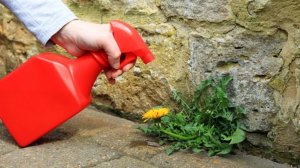
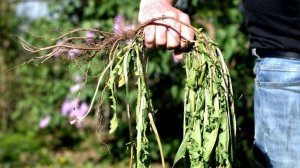
Dandelion (Taraxacum officinale) is a childhood favorite with edible parts and pollinator-friendly flowers. One plant can produce up to 2,000 seeds. A healthy lawn minimizes them; hand pulling with the taproot is effective for few plants.
Hairy Bittercress (Cardamine hirsuta) is a peppery, edible brassica. It reproduces by seed pods that burst, sending seeds up to three feet. Hand pull before seeding; regular mowing prevents re-seeding.
Chamber Bitter (Phyllanthus urinaria) is a prolific seeder that can take over a yard. Hand removal before seeding, close mowing, and reduced irrigation help. Herbicides are best applied in late spring or early summer.
Black Medic (Medicago lupulina) is a nitrogen-fixing legume that spreads aggressively in low-nitrogen areas. Hand weeding in moist soil is effective, as is maintaining a dense lawn.
Bull Thistle (Cirsium vulgare) appears in all 50 states, forming dense thickets with sharp spines. Hand-pull small infestations (wear gloves), mow before flowering, and repeat as it flowers multiple times.
Common Chickweed (Stellaria media) is invasive, self-seeding, and seeds remain viable for over ten years. Consistent hand pulling, fall tilling, and spring mechanical control are key.
Spotted Spurge (Euphorbia maculata) grows in poor soil and sidewalk cracks. Its milky sap is irritating, so wear gloves. Remove with a hori hori knife, use organic mulches, or solarize.
Yellow Wood Sorrel (Oxalis stricta) resembles clover and is edible in small amounts. It produces oxalic acid, which helps honey bees. Hand removal for small patches, herbicides for larger, and a thick lawn prevent it.
Common Ragweed (Ambrosia artemisiifolia) is a major allergen, producing over 60,000 seeds per plant. Mowing before seeds mature, and rotating herbicides (2,4-D is effective) are control methods.
Stinging Nettle (Urtica dioica) causes itchy reactions. Wear gloves, deadhead flowers, hoe seedlings, and dig out rhizomes completely. Regular mowing minimizes it.
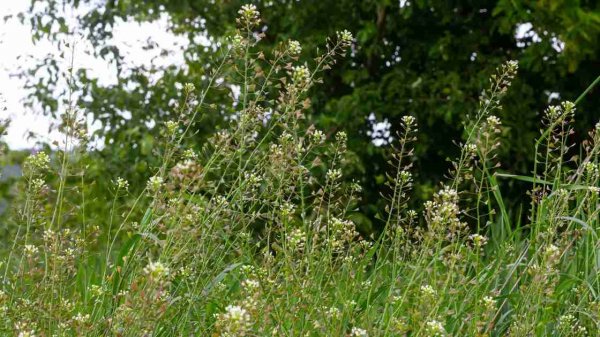
Shepherd's Purse (Capsella bursa-pastoris) is edible and protocarnivorous, invasive in several states. Hoe seedlings, pull young plants, smother with barriers, or apply vinegar (with protection).
Grassy and Other Weeds
Crabgrass (Digitaria sanguinalis) is a common annual that spreads by seeds. Maintain a vigorous lawn, mow to reduce seed production, and avoid overwatering.
Annual Bluegrass (Poa annua) is non-native but manageable. Keep your lawn thick, mow to 2 inches or less, and clean tools. Small patches can be dug up; larger ones may need herbicides.
Indian Goosegrass (Eleusine indica) is aggressive and self-seeds heavily. Dig out early with a weeding tool; pre and post-emergence herbicides are effective.
Nutsedge (Cyperus spp.) is difficult, with spiky seed pods. Improve drainage, dig up patches 10 inches deep, mulch heavily, and maintain a healthy lawn.
Poison Ivy (Toxicodendron radicans) causes severe allergic reactions. Physical removal is risky; use herbicides early in the season, repeating as needed.
Lambsquarters (Chenopodium album) is edible and spreads by wind-borne seeds that can live a decade. Pull shallow roots before seeding, and repeat each spring.
Lawn Burweed (Soliva sessilis) is low-growing with painful burs. A healthy lawn out-competes it; hand pull sprouts before flowering, and use post-emergence pesticides in winter.
In managing any weed, the most sustainable approach is a healthy, dense turf that naturally suppresses invaders. Combine cultural practices, mechanical removal, and targeted herbicide use as needed, always following local guidelines.