As autumn sets in, gardeners across hardiness zones 2 through 11 face a familiar challenge: a wave of invasive weeds that can quickly dominate cultivated spaces. From the aromatic but rampant lemon balm to the hardy annual bluegrass, these plants exploit disturbed soil and cool, moist conditions to spread aggressively. Understanding their growth habits and acting early can save your garden from a season-long battle.
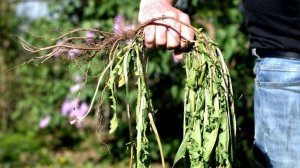
Weeds are nature's pioneers, colonizing bare or recently disturbed soil before larger plants take hold. According to horticultural experts, any garden activity—transplanting seedlings, applying compost, or simply walking through beds—creates openings for weed seeds to germinate. The key is to remove them while they are young, when their root systems are still weak and they pull out easily.
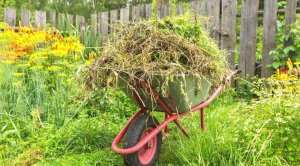
Some gardeners, however, view these invaders as a resource. Many common weeds, such as purslane and hairy bittercress, are edible and rich in nutrients, making them suitable for compost or even the dinner table. By recycling pulled weeds, you can return valuable organic matter to your soil.
Eleven Weeds to Watch This Fall
Among the most problematic fall weeds is lemon balm (Melissa officinalis), a fragrant herb that self-seeds prolifically, especially in the Pacific Northwest, where it is labeled an aggressive weed. To control it, grow it in containers and remove spent flowers before they set seed. Young seedlings are easy to pull, but established plants require repeated removal.
Mint (Mentha ssp.) is equally tenacious, spreading via seeds, rhizomes, and rooting stems. It can smother neighboring perennials if left unchecked. Planting mint in raised beds or pots and cutting flowers before they mature can prevent its escape.
European self-heal (Prunella vulgaris) thrives in lawns and cultivated fields, spreading through underground rhizomes and rooting from broken stems. A native alternative, lance leaf self-heal, can be planted to occupy the space and outcompete the invasive version.
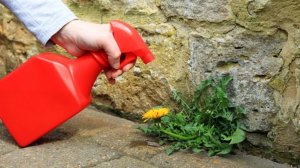
Hairy cat’s ear (Hypochaeris radicata) resembles a dandelion with yellow flowers and hairy leaves. It spreads by wind-blown seeds and is particularly harmful to horses if ingested. Pulling plants before they flower, or mowing to prevent seed heads, can limit its spread.
Creeping wood sorrel (Oxalis corniculata) is a worldwide weed with red-green shamrock leaves and yellow flowers. It spreads both by seeds and underground rhizomes, often arriving in potting soil or compost. Digging out the entire plant, including root fragments, is essential to prevent regrowth.
Spotted spurge (Euphorbia maculata) is a summer annual that thrives in poor conditions, from sidewalk cracks to clay soil. Its milky sap can irritate skin, so wear gloves when pulling. Removing plants before they set seed in fall is critical to reducing next year's population.
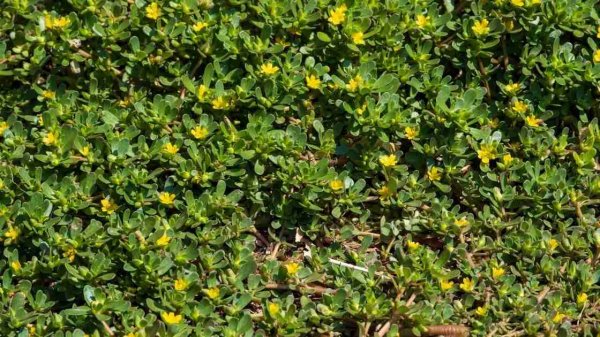
Purslane (Portulaca oleracea) also germinates in summer and can form new plants from broken stems. Its succulent leaves are edible and can be sautéed like nopales or added to smoothies. Pull plants before they produce seed capsules, and remove any stem fragments from the soil.
Hairy bittercress (Cardamine hirsuta), also known as popweed, explodes its seeds when touched. It thrives in cool, wet weather and is a common spring and fall weed in zones 4–8. The leaves are edible, tasting like a mix of broccoli and bok choy, and can be used in salads or cooked dishes.
Chickweed (Stellaria media) is another edible weed with star-shaped white flowers. It spreads by seeds and stem fragments, so thorough removal is necessary. Its tender leaves are a nutritious addition to smoothies and casseroles.
Purple dead nettle (Lamium purpureum) is a mint-like plant with fuzzy leaves and purple flowers. It spreads quickly in garden settings, often hitching a ride in container plants. Pulling seedlings in fall is easy due to their shallow roots, and the pulled plants can be used as mulch.
Finally, annual bluegrass (Poa annua) is a non-native grass from Africa, Europe, and Asia that thrives in cool fall weather. Its seeds can remain viable in the soil for years, making persistent removal essential. Dispose of mature plants away from your compost to prevent re-infestation.
Why Acting Now Matters
Fall is a critical time for weed control. Many of these species are gearing up to produce seeds that will lie dormant over winter and sprout in spring. By removing them before they set seed, you can significantly reduce the weed population in your garden for years to come. Regular monitoring and early intervention are the most effective strategies for maintaining a healthy, productive garden.