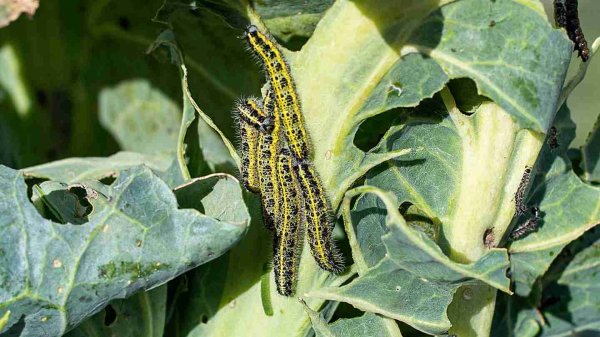
Gardeners who grow cabbage and other brassica crops often face a familiar adversary: the imported cabbage worm. These green caterpillars, the larval stage of the cabbage white butterfly, can quickly turn a promising harvest into a chewed-up mess. Left unchecked, they can inflict significant damage across an entire crop, making early detection and prompt action essential.
The imported cabbage worm has a notable history. First discovered in North America in 1860, it spread rapidly, and by 1886 it was well established in the Gulf Coast states and the Rocky Mountains. Today, it is found in temperate regions worldwide. Its adult form, the cabbage white butterfly, is a common sight fluttering over gardens, but its presence often signals trouble ahead.
While cabbage is a primary host, these pests are not picky. They also feed on Brussels sprouts, mustard greens, radishes, broccoli, and other plants in the Brassicaceae family, which produce natural glucosinolates. They have even been reported on tomato, spinach, and lettuce plants, though they prefer cruciferous vegetables.
Recognizing the Pest and Its Look-Alikes
Accurate identification is the first step in effective control. The imported cabbage worm is the larva of the small white butterfly (Pieris rapae), while the large white (Pieris brassicae) produces a similar caterpillar. Both are green, but the large white larvae tend to be yellowish with brown spots along their sides. Adult butterflies differ in size and wing markings: the small white has a few black markings, while the large white has prominent black patches at the wingtips.
Gardeners often confuse cabbage worms with cabbage loopers (Trichoplusia ni), which are also green caterpillars but move in a looping fashion. This distinction matters because control methods can differ. Other related pests include the cabbage moth (Mamestra brassicae), cabbage webworm (Hellula undalis), and diamondback moth (Plutella xylostella).
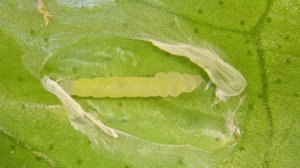
Signs of an infestation include holes in leaves, dark greenish-brown fecal pellets near feeding sites, and the presence of whitish or yellowish elongated eggs on the undersides of leaves. The butterflies lay eggs on the underside of leaves, and the larvae go through five instars, growing larger and changing color before pupating.
Control Strategies: From Cultural to Chemical
If cabbage worms are found on more than 10% of plants, treating all plants of that type is recommended to prevent further spread. For small gardens, handpicking worms and crushing egg clusters is a simple and effective cultural method. Keeping the area free of brassica weeds, which serve as alternate hosts, is also crucial. Companion planting with borage, thyme, chamomile, or celery can deter the butterflies, and trap crops like mustard can lure them away.
Biological controls offer an organic approach. Bacillus thuringiensis var. kurstaki (Bt or BtK) is a bacteria that kills caterpillars when ingested but is harmless to plants and humans. However, it can also affect beneficial butterfly larvae, such as monarchs, so it should be used only when worms are present. Diatomaceous earth can also be applied, but it may harm other insects. Encouraging natural predators like parasitic wasps, yellow jackets, and birds can help keep populations in check.
For chemical options, neem oil can coat and suffocate eggs, but it is not effective against active worms. Several synthetic pesticides exist, but they are the riskiest option and can leave residues in plant tissue, so they are generally best avoided.
Prevention: Stopping the Cycle Before It Starts
Preventive measures can interrupt the pest's life cycle. Floating row covers made of fine nylon mesh physically block butterflies from laying eggs on plants. Garlic sprays and citrus-based repellents can also deter the butterflies. Sticky traps placed near plants can catch adult moths, including diamondback moths. Additionally, choosing red or purple cabbage varieties may reduce the likelihood of attack, as these are less favored by the pests.
In summary, managing imported cabbage worms requires vigilance and a multi-pronged approach. By combining cultural practices, biological controls, and preventive measures, gardeners can protect their brassica crops and enjoy a healthy harvest.