Gardeners looking to cut back on chemical sprays are turning to cultural and mechanical pest control methods that work with nature rather than against it. These approaches, which include strategic planting, physical barriers, and habitat management, aim to prevent pest problems before they start, reducing the need for even organic pesticides.
The philosophy behind this approach is simple: treat chemical sprays, even those labeled organic, as a last resort. By prioritizing other strategies, gardeners often find they use far fewer sprays and dusts. The first line of defense is garden culture—how you weed, what you plant, and when you plant it. When pests do arrive, mechanical controls such as barriers, water streams, and sanitation become the second line of defense.
Encouraging Beneficial Insects
A key element of non-chemical pest management is attracting beneficial insects that prey on common garden pests. Native flowering plants are particularly effective at drawing in hoverflies, parasitic wasps, beetles, spiders, and solitary bees. These insects help keep pest populations in check naturally.
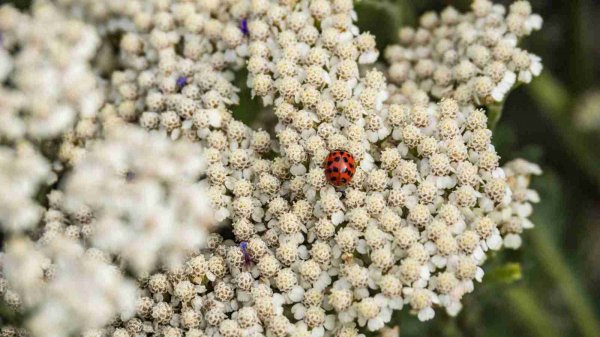
For example, yarrow (Achillea millefolium) attracts lacewings, hoverflies, ladybugs, pirate bugs, and parasitic wasps. Dill (Anethum graveolens) brings in tachinid flies, hoverflies, ladybugs, pirate bugs, and parasitic wasps. Blanketflower (Gaillardia spp.) appeals to hoverflies and predatory wasps, while coreopsis (Coreopsis spp.) supports ladybugs, hoverflies, and predatory beetles. Milkweed (Asclepias spp.) is a magnet for ladybugs, hoverflies, parasitic wasps, and pirate bugs.
Barriers and Trap Crops
Early in the spring, pests like flea beetles, cutworms, and armyworms can be especially destructive to young plants. Instead of spraying, gardeners can block access with lightweight covers. A small cage with a UV-penetrating cover allows sunlight and rain to reach plants while keeping pests out. For larger areas, row covers—available in long sheets or modular sections for raised beds—offer similar protection.
Trap crops are another effective tactic. By planting a sacrificial crop a few weeks before the main crop, and placing it three to eight feet away, gardeners can lure pests away from valuable plants. As pest numbers build on the trap, it should be removed and discarded, not composted, to prevent re-infestation. This method works well in vegetable gardens and can also be adapted for ornamental beds.
Mulch, Location, and Weeding
Mulch is often praised for suppressing weeds and retaining moisture, but it also serves as a pest deterrent. Organic mulches help limit thrips and leafminers, and they create a barrier that keeps snails and slugs away from plant bases. Additionally, mulch reduces water splash, which can spread soilborne diseases to leaves.
Where you place your garden matters, too. Keeping sensitive plants close to the house or in a visible area makes daily monitoring easier, allowing early detection of pest issues. Consistent monitoring is one of the most effective non-chemical pest control methods.
Weeding is another critical practice. Many weeds harbor insect pests and diseases, so keeping them out of garden beds and borders reduces the risk of infestation. Removing weeds early, at the “white thread” stage, makes the job easier. If weeds mature, pull them root and all or chop them down to prevent pests from reaching the garden.
Companion Planting
Companion planting goes beyond trap crops and flowers. Strategic pairings can attract beneficial insects, repel pests, enhance nutrient exchange, and increase biodiversity. With countless combinations possible, gardeners can maximize production while minimizing pest pressure.
By integrating these cultural and mechanical controls, gardeners can create a resilient ecosystem that reduces reliance on chemicals. While no method is foolproof, combining these tactics offers a sustainable path to healthier crops and a more balanced garden environment.