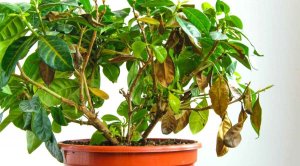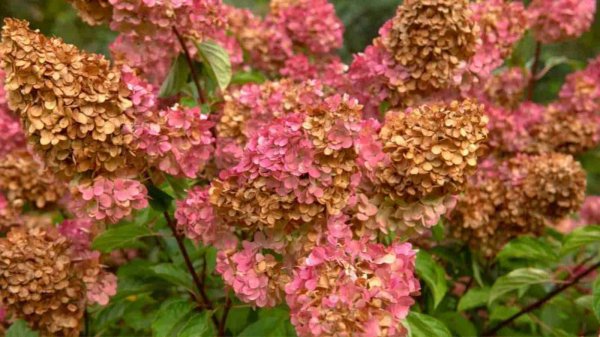
As summer peaks, many gardeners notice their hydrangea blooms losing their vibrant hues and turning brown. This common issue can stem from several factors, including heat stress, improper watering, or excessive sunlight. Understanding the underlying cause is key to restoring the plant's health and ensuring a colorful display.
Hydrangeas, despite their reputation for being finicky, are relatively straightforward to maintain with proper care. The browning of flowers is often the first visible sign that something is off in their environment. By identifying the specific trigger, gardeners can take targeted action to mitigate the damage.
Watering: The Balancing Act
Hydrangeas require about one inch of water per week to thrive. The method of watering is just as important as the amount. Watering at the base of the plant is recommended, as overhead watering can lead to fungal issues without benefiting the foliage. Overwatering, however, can cause smaller blossoms or browning of the petals. A simple check of the soil's moisture level—aiming for damp, not muddy—can help gauge whether you're over or under watering.
If overwatering is the issue, the best course is to pause watering until the soil dries out slightly, then resume with a slow, deep soak. Using a rain gauge can help track natural rainfall and adjust your schedule accordingly. Conversely, under-watered hydrangeas will show drooping leaves and flowers that turn brown from the tips downward. In such cases, a slow, deep watering is more effective than a quick drench, as it allows the soil to absorb moisture properly.
Sunlight: Finding the Right Spot
Sun exposure is another critical factor. Panicle hydrangeas (Hydrangea paniculata) are more tolerant of full sun, but bigleaf and other varieties prefer partial shade, ideally receiving 4-6 hours of morning sun followed by afternoon shade. If your hydrangeas are browning due to too much sun, consider transplanting them to a shadier location in the fall or spring. For those without a suitable spot, container planting offers flexibility, allowing you to move the plant as needed.
In gardens with abundant full sun, panicle hydrangeas are a better choice. They are larger and can be striking as standalone specimens or in mass plantings. Compact varieties are also available for smaller spaces.
What to Do When Blooms Brown
If you catch the browning early and address the cause—such as adjusting watering or sun exposure—you may be able to salvage the flowers. However, if the damage is extensive, the best approach is to prune the brown blooms using clean garden snips. This not only improves aesthetics but also redirects the plant's energy into producing new growth and future blooms.
While browning flowers can be disappointing, it's important to remember that this is typically not a long-term threat to the plant's health. With proper fall and winter care, including adequate watering and protection from harsh conditions, your hydrangeas can return with a vibrant display next season.