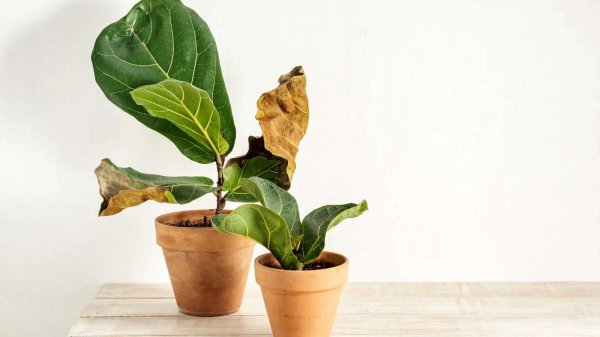
Fiddle leaf figs (Ficus lyrata) have earned a spot as one of the most sought-after houseplants, often serving as a striking indoor tree. Yet their popularity comes with a caveat: they are notably sensitive and quick to show distress when their environment isn't right. For many new plant owners, the journey begins with excitement, only to be met with a host of issues ranging from leaf drop to mysterious spots. The good news is that these visible signs are the plant's way of communicating, and most problems have straightforward fixes if addressed promptly.
Understanding the root causes is the first step. Fiddle leaf figs crave consistency. Sudden shifts in temperature, humidity, or light can trigger leaf drop, a common reaction to environmental shock. Even a single cold day or the transition to a new home can cause leaves to fall. The key is to maintain stable conditions year-round and introduce any changes gradually to prevent stress.
Watering and Moisture: The Balancing Act
Watering issues are among the most frequent culprits behind fiddle leaf fig woes. Drooping or curling leaves often signal underwatering or transplant shock. When the soil dries out, the plant's cells lose turgor, causing the sturdy leaves to fold. While a thorough watering can revive them within hours, relying on this as a watering cue is risky; it indicates the plant is already stressed. Instead, check the soil with your finger and water when the top two inches are dry.
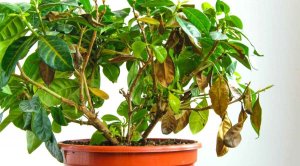
Brown, crispy leaf tips are another common sign of underwatering or low humidity. These tropical natives prefer humidity around 60%, and dry indoor air can cause the leaf edges to die back. Once browned, they won't recover, so prevention is crucial. Conversely, overwatering leads to root rot, manifesting as dark, almost black spots on leaves, yellowing, and mushy stems. Ensuring proper drainage and never letting the pot sit in water are essential preventive measures.
Pests and Diseases: Identifying the Invaders
Small brown spots on leaves may indicate pest infestations. Fiddle leaf figs are susceptible to scale, mealybugs, spider mites, whiteflies, and fungus gnats. These insects attach to leaves and stems, sucking sap and leaving behind damage. Isolating the plant and treating with insecticidal soap or neem oil is the recommended course of action, repeating until all signs are gone.
Larger brown patches with undefined edges and yellow halos could signal bacterial leaf spot, a disease that can spread to nearby plants. Pruning affected areas immediately and cleaning tools afterward can help contain it. White or tan patches, often in irregular spots, usually result from too much direct sunlight, which scorches the leaves. While fiddle leaf figs can tolerate some morning sun, they are typically grown in shaded conditions and need gradual acclimatization to brighter light.
Growth and Environment: Encouraging Healthy Development
Stunted or lopsided growth often points to insufficient light or nutrient deficiencies. These plants need bright, indirect light for most of the day to photosynthesize effectively. If new leaves remain small, it's a sign they aren't getting enough energy. Rotating the pot weekly ensures even light exposure, preventing one-sided growth. Repotting every few years refreshes the soil and provides space for roots, while a balanced liquid fertilizer during spring and summer can address nutrient deficiencies.
Webbing between stems is a telltale sign of spider mites, while white fluff on leaves and stems indicates mealybugs. Both pests can be managed with physical removal and insecticidal treatments. For mealybugs, a cotton swab dipped in rubbing alcohol (70% or less) is effective, followed by insecticidal soap to catch any stragglers.
Ultimately, fiddle leaf fig care is about observation and consistency. By recognizing the early warning signs and responding with appropriate adjustments, you can maintain a healthy, vibrant plant that enhances your space for years to come.