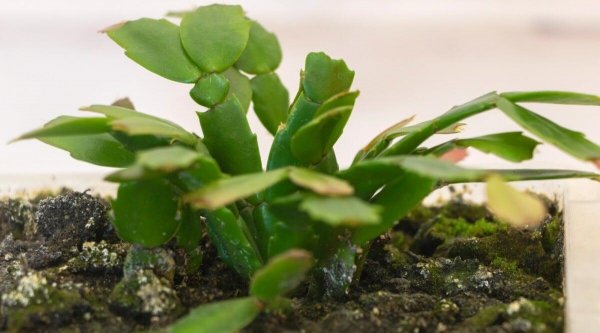
When a Christmas cactus (Schlumbergera) starts to look yellow and droopy, many owners assume it needs more water. In reality, the opposite is often true: overwatering is a common misstep that can lead to root rot and a slow decline. Recognizing the signs early and acting quickly can make the difference between saving the plant and losing it.
The first clue is often the soil. If the pot's soil feels soggy or water pools on the surface, the plant is likely getting too much moisture. Underwatered cacti typically show shriveled leaves, but overwatered ones can look similar, making diagnosis tricky. However, checking the soil moisture is a reliable indicator.
Why Overwatering Is a Serious Threat
Schlumbergera is a tropical succulent, not a desert cactus. Its roots are sensitive to constant moisture. When left in waterlogged soil, the roots begin to deteriorate, becoming soft and brown or black. This decay makes the plant vulnerable to fungal infections, which can quickly spread and compromise the entire root system.
If you suspect overwatering, the first step is to empty any standing water from the pot. This immediate action helps the soil begin to dry. If the problem persists, a more thorough intervention is needed.
Inspecting and Treating the Roots
To assess the damage, carefully remove the plant from its container. If the soil is dry, water it lightly beforehand to make the roots more flexible and reduce breakage. Gently shake off the soil and inspect the roots. Healthy roots are white and firm. If you see blackened tips or mushy, dark tissue, root rot has begun.
Rinse the roots to get a clear view and to wash away any lingering fungus. Using a clean, sharp tool, prune away all compromised root sections. After pruning, let the roots dry on a clean surface for about 24 hours. Applying an anti-fungal treatment, such as etridiazole, can help eliminate remaining spores.
Repotting and Aftercare
Once the roots are treated, repot the cactus in a container with proper drainage holes. Terracotta pots are ideal because they wick moisture away from the roots. Use a coarse, well-draining potting mix—avoid standard soil that retains too much water. A pre-mixed cactus blend works well, or you can create your own by adding sand, pumice, or gravel to compost.
After repotting, inspect the foliage. Stems that are discolored, soft, or mushy at the base should be removed with a sterile tool. Dusting the cut areas with cinnamon or sulfur helps them heal faster and prevents further infection.
Adjusting your watering routine is crucial. Water only when the soil is dry to the touch, roughly every 2-3 weeks, except during the blooming season when the soil should stay slightly moist. After recovery, a balanced fertilizer (like a 10-10-10 formula diluted to half strength) applied monthly can support new growth. An occasional Epsom salt solution provides extra magnesium, which boosts flowering.
When All Else Fails: Propagation
If the plant continues to decline despite your efforts, there is still hope. Take cuttings from any healthy stems, allow them to dry for 2-4 days, then plant them in a moist soil mix. With minimal care, these cuttings often root successfully, giving you a new plant to enjoy.
Christmas cacti are resilient. With the right drainage, a disciplined watering schedule, and a bit of patience, your plant can recover and reward you with vibrant blooms next winter.