As the gardening season gets underway, one of the first tasks on many to-do lists is tackling the weeds that emerge with the warmer weather. While it's impossible to cover every species, focusing on a handful of common early spring invaders can make a significant difference. Removing these plants before they establish deep root systems gives perennials a better chance to thrive, according to experienced gardeners.
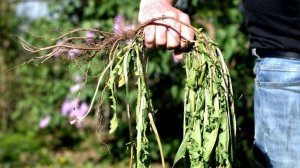
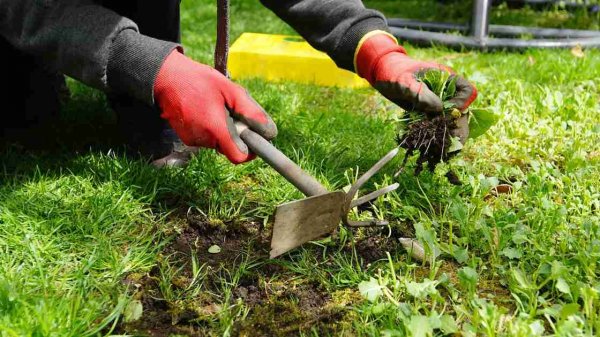
Many of these weeds are easiest to control when they are young, at what is often called the “white thread stage,” when the root is barely thicker than a piece of thread. Pulling them at this point can limit their return. However, some species require more effort, especially those with deep taproots. When digging, it's important to remove as much of the root as possible, as many plants can regrow from fragments left behind.
Identifying and Removing Common Spring Weeds
Cleavers (Galium aparine) is a common annual weed that thrives in shady, moist areas. Its floppy stems and whorled leaves are distinctive, and the tiny bristles on the plant cling to clothing and animal fur, which helps disperse its seeds. Young cleavers can be pulled easily, but established stands may require hoeing or shoveling. It's best to discard the pulled plants somewhere they can't spread.
Henbit (Lamium amplexicaule), also known as dead nettle, is another frequent visitor. It has purple flowers and can be distinguished from its relative, purple dead nettle, by the leaves that wrap around the stem. While henbit provides early nectar for pollinators, it can form dense mats in garden beds. Gardeners who want to support pollinators might leave it in less cultivated areas, but should be aware that powdery mildew can develop on its leaves. Henbit is also edible, with a flavor reminiscent of celery but slightly peppery. Removal is straightforward: pull from the base, ensuring the entire root is removed.
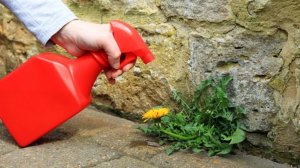
Dandelions (Taraxacum officinale) are perhaps the most recognizable spring weed, with their sunny yellow blooms and puffball seed heads. Their deep taproots make them difficult to eradicate, especially in lawns and disturbed sites. Young seedlings with rosettes just a couple of inches across can be removed by hand, but established plants need a trowel or hori hori to extract the entire root. All parts of the dandelion are edible, and the dried roots can be brewed into a tea.
Chickweed (Stellaria media) is a small, bright green plant with tiny white flowers that have deep petal divisions. It is considered invasive along the eastern coast of North America, including states like Delaware, Pennsylvania, and Kentucky. Fortunately, it is relatively easy to remove when young, following the “white thread” rule. However, its seeds are highly viable, so repeated removal is necessary. Chickweed is also a favorite forage for chickens, and some gardeners intentionally let it grow in the chicken run for its nutritional value.
Dealing with More Persistent Invaders
Lesser celandine (Ranunculus ficaria), introduced from Europe and the Caucasus, has naturalized across North America and aggressively colonizes floodplains and damp yards. It features bright yellow, eight-petaled flowers and smooth leaf margins. Pulling is not effective; instead, use a shovel to dig underneath the mats and remove the plant along with its small tubers. Any tubers left in the soil will sprout again, so repeated removal is necessary. Planting dense ground covers afterward can help prevent re-emergence.
Horseweed (Erigeron canadensis) is a tall-growing weed that starts as an inconspicuous rosette in spring. It is easy to pull at any stage, as it does not reproduce from roots. The challenge lies in its numerous, highly viable seeds, which can lead to a surge of seedlings the following spring. While it can be aggressive, horseweed is native in parts of North America and provides food for pollinators; its stems may house solitary bees. Some gardeners choose to let a few grow, especially in regions like North Texas, where it is an important plant. The leaves are edible and have a flavor similar to oregano.
Common groundsel (Senecio vulgaris) is a regular in vegetable beds, identifiable by its lobed, lance-shaped leaves with a rough, hairy texture. Like dandelions and horseweed, it is a member of the aster family and produces puffy seed heads. The seeds are plentiful and wind-dispersed, and the plant often enters gardens via nursery pots, so inspecting new plants is advisable. Hand-pulling is effective in early spring, especially before flowers open. Heavy mulching can also smother young seedlings.
While the list of spring weeds is long, addressing these seven common species early can reduce their impact and make garden maintenance more manageable. Regular monitoring and removal, especially before they set seed, are key to keeping garden beds healthy and productive throughout the season.