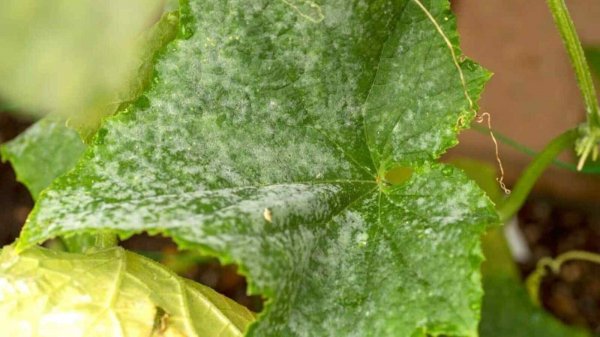
Gardeners across North America frequently encounter a dusty white coating on cucumber leaves, a condition almost always attributed to powdery mildew. This fungal disease, while common and unsightly, is rarely fatal to plants if addressed promptly. Understanding the conditions that favor its development and knowing the appropriate response can help keep cucumber plants healthy and productive.
Powdery mildew is caused by several fungal species, including Erysiphe, Microsphaera, and Podosphaera, and it also affects zucchini, beans, tomatoes, and peppers. The disease thrives when temperature and humidity fluctuate, often appearing as a fine, flour-like dust on younger leaves. As it progresses, the spots enlarge, and foliage may die. Early detection is crucial, as removing affected material quickly can prevent the fungus from spreading to other plants.
Why Cucumbers Are Vulnerable
Several cultural practices can inadvertently increase the risk of powdery mildew. One of the most significant factors is insufficient sunlight. Cucumbers require at least six hours of direct sun daily, with eight to ten hours being ideal for robust growth and fruit production. Planting in shaded areas weakens the plant's defenses.
Overcrowding is another common issue. When plants are spaced too closely, air circulation is restricted, creating a humid microclimate that fungal spores find inviting. Training cucumbers to grow vertically on a trellis and ensuring adequate spacing between plants can significantly improve airflow and reduce disease pressure.
Watering habits also play a critical role. Splashing water from the soil onto the leaves can transfer fungal spores from the ground to the plant. Watering slowly and deeply at the base of the plant, using a soaker hose or drip irrigation, minimizes this risk. Wet foliage, especially near the soil line, is particularly susceptible to infection.
Applying a 2-3 inch layer of mulch around cucumber plants is a simple yet effective preventive measure. Mulch helps retain soil moisture, suppresses weeds, and, importantly, acts as a barrier, preventing soil-borne spores from splashing onto leaves during watering or heavy rain.
Treatment and Prevention Strategies
When powdery mildew is detected, the first step is to prune and remove all affected leaves and stems. Infected material should be placed in a trash bag and disposed of, not composted, to avoid spreading spores. Pruning tools should be disinfected afterward to prevent contamination of other plants.
For more extensive infestations, neem oil applied as a foliar spray can be effective. It is important to spray when pollinators are not active to avoid harming them, as neem can also affect beneficial insects like lacewings. Bio-fungicides, preferably those that are OMRI approved, offer another treatment option.
For gardeners in areas where powdery mildew is a recurring problem, selecting disease-resistant cucumber varieties is the most straightforward preventive approach. Seed packets often indicate resistance with a 'PM' designation. Examples of resistant varieties include 'Ashley', 'Diamondback', and 'Bodega' for slicing, and 'Adam Gherkin' and 'Picklebush' for pickling.
While powdery mildew can be a nuisance, it is one of the more manageable garden diseases. By implementing these cultural practices and treatment methods, gardeners can effectively control its spread and maintain the health of their cucumber plants throughout the growing season.