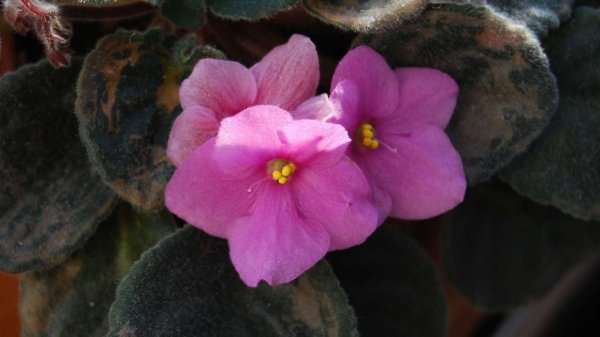
African violets, with their velvety leaves and cheerful blossoms, are a staple in many homes. But these beloved houseplants are vulnerable to a handful of indoor pests that can quickly turn a healthy plant into a sickly one. Recognizing the signs early and acting fast is key to saving your plant. Here’s what you need to know about the five most common culprits and how to stop them.
Microscopic Mites: The Silent Saboteurs
Cyclamen mites are among the most destructive pests for African violets, yet they are nearly invisible to the naked eye—measuring just 1/100 of an inch long. These eight-legged arachnids, related to spiders, pierce plant tissues to feed on juices. Worse, they inject a toxic substance that halts growth. Because they multiply rapidly, they can quickly spread to nearby plants, and by the time you notice damage, the infestation is often severe.
Look for telltale signs: the youngest leaves at the center of the plant become crumpled, deformed, or brown, while outer leaves may still look normal. The plant may also stop blooming. If you spot these symptoms, isolate the plant immediately. Control options include spraying with neem oil or insecticidal soap, or using a miticide. Be patient—you’ll need to keep the plant isolated until new leaves grow in normally, which signals the mites are gone.
Visible Invaders: Mealybugs, Scale, and Aphids
Mealybugs are easier to spot—they look like tiny cotton blobs, about ⅛ inch long, with six legs. They feed on all above-ground parts of the plant, leaving a sticky, waxy residue. A light infestation can be handled by dabbing each bug with a cotton swab dipped in rubbing alcohol, and wiping down the pot to kill eggs. For heavier infestations, insecticidal soap or a targeted spray is needed. Repeat daily for a couple of weeks until all signs are gone.
Scale insects are flat, waxy ovals, also about ⅛ inch long, that often hide on the underside of leaves. They suck plant juices, causing a shiny, sticky residue and eventual leaf paleness and slowed growth. For minor infestations, gently scrub them off with a soft toothbrush dipped in insecticidal soap or alcohol. Severe cases may require a houseplant insecticidal spray.
Aphids, though less common on African violets, can still invade. These tiny, greenish, pinkish, or brown insects gather in clusters on leaves and stems, causing wilting and distorted growth. They are visible to the naked eye and move when disturbed. Treat them like mealybugs: dab with alcohol or soap, and inspect daily for two weeks to break the life cycle.
The Larger Chewer: American Cockroach
American cockroaches, despite their name, are native to Africa and the Middle East. These large insects, up to 4 cm long, are nocturnal and can chew holes in tender leaves and flowers. Unlike sap-sucking pests, they leave visible physical damage and black frass (droppings) near plants. To control them, you may need to treat your entire home with traps and baits, or place sticky traps and poison bait near the plant area.
Prevention: The First Line of Defense
The best strategy is to prevent pests from ever reaching your plants. Quarantine new plants for a few weeks to ensure they are pest-free before joining your collection. Keep pots and tools clean to avoid cross-contamination. If pests do appear, isolate the affected plant, identify the pest, and treat it with a targeted method. With vigilance, you can keep your African violets healthy and enjoy their beauty for years.