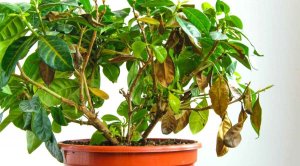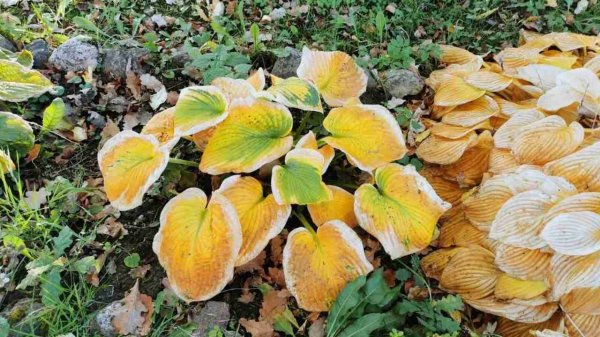
When the lush green foliage of hostas begins to yellow, gardeners often wonder what went wrong. The causes range from natural seasonal changes to more serious issues like bacterial infections. Understanding the specific reason is the first step to restoring your plants to their former glory.
Hostas are a staple in many gardens due to their hardiness and striking leaves. They are generally low-maintenance, but yellowing leaves can be a sign that something is off. The good news is that most causes are fixable, and with a little attention, your hostas can bounce back.
Seasonal Shifts and Temperature Stress
One of the most common reasons for yellowing is simply the change in seasons. Hostas are perennials that naturally go dormant in the fall, and as temperatures drop below 50°F, their leaves will yellow and die back. This is a normal part of their life cycle. However, extreme heat or cold can also cause stress. While hostas are adaptable to USDA zones 3 through 9, sudden temperature swings can lead to discoloration. If you notice yellowing during a heatwave, consider providing some shade, as hostas prefer cooler, shaded spots.
Sunlight and Watering Imbalances
Hostas thrive in shade, but they still need some light to photosynthesize. Too much direct sun can scorch leaves, causing them to yellow and crisp. Conversely, insufficient light can also lead to yellowing, especially in variegated varieties. The key is to find a spot with dappled sunlight or morning sun and afternoon shade.
Watering is another critical factor. Both overwatering and underwatering can cause yellow leaves. Overwatering suffocates roots, preventing nutrient uptake, while underwatering leaves the plant dehydrated. Check the soil moisture by inserting your finger a few inches deep. If it's dry, water thoroughly; if it's still wet, wait a few days. Hostas prefer consistently moist but well-draining soil.
Soil Quality and Nutrient Deficiencies
Poor soil conditions can also lead to yellowing. Hostas prefer slightly acidic soil with a pH between 6.5 and 7.0. If your soil is too alkaline or too acidic, nutrients become less available. Adding organic matter like compost or peat moss can improve drainage and pH balance. A lack of essential nutrients, particularly nitrogen, often shows as yellowing leaves with green veins. A balanced fertilizer applied in spring can help, but be careful not to over-fertilize, as this can burn the roots.
Root Damage and Infections
Root damage, whether from overcrowding or physical injury, can impair a hosta's ability to absorb water and nutrients. If your hosta is in a container, it may have become root-bound. Replanting in a larger space with well-aerated soil can help. When planting, dig a hole about a foot deep and 1.5 times the mature size of the plant to give roots room to spread.
Infections are more serious. Bacterial soft rot, fungal diseases like petiole rot, and viral infections like Hosta Virus X can all cause yellowing. Bacterial soft rot often has a foul odor and requires destroying the infected plant. Fungal infections can sometimes be treated with fungicides like chlorothalonil or mancozeb, but infected tissue should be removed and disposed of properly. Viral infections are incurable, and infected plants should be removed to prevent spread.
Adjustment Period and Natural Life Cycle
Finally, if you've recently transplanted your hosta, it may simply be adjusting to its new environment. This stress can cause temporary yellowing, but with proper care, it should recover within a few weeks. Also, remember that yellowing is a natural part of the perennial life cycle as the plant prepares for winter. Pruning yellow leaves can help the plant focus energy on root development.
By identifying the specific cause and taking corrective action, you can help your hostas return to their vibrant green state. Regular monitoring and proactive care are your best tools in maintaining a healthy garden.