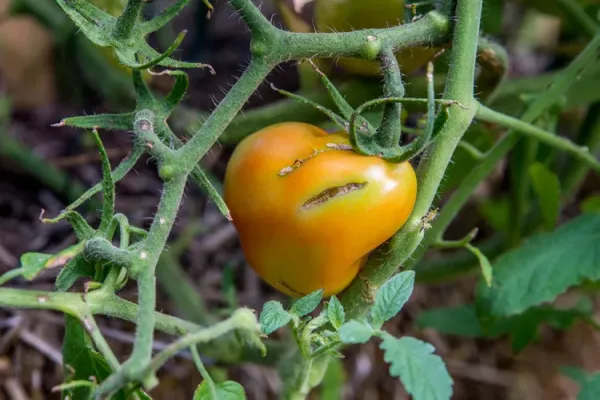
Gardeners who find their tomatoes cracked open overnight often wonder what went wrong. The culprit is usually irregular watering—a sudden surge of moisture after a dry spell can make the fruit's interior expand faster than the skin can stretch, leading to splits. While cracked tomatoes are still safe to eat, they are more vulnerable to pests and rot, so understanding the causes and taking preventive steps can keep your crop healthy and intact.
Tomato cracks come in two forms: vertical splits that run from the stem to the bottom, and concentric cracks that circle the stem, which are more common in large heirloom varieties. Both types can invite insects and promote decay, though concentric cracking is often less severe. If the crack is shallow and doesn't expose the flesh, the tomato can stay on the vine to ripen, but it needs monitoring. Young, green tomatoes that split are especially prone to rotting before they mature.
Why Irregular Watering Is the Main Trigger
The primary cause of splitting is a rapid change in water availability. During a dry period, the plant's skin becomes less elastic; when heavy rain or irrigation follows, the fruit absorbs water quickly, and the internal pressure causes the skin to crack. This explains why splits often appear after a storm, even if you've been watering consistently. According to North Carolina State University Cooperative Extension, a heavy downpour can still cause cracking despite precautions, but you can reduce the likelihood with a few key practices.
Consistent moisture is the foundation of prevention. Tomatoes need about an inch of water per week, so during summer, water every two to three days. A simple finger test—insert your index finger an inch into the soil; if it's moist, skip watering, if dry, water—helps avoid over- or under-watering. Direct water at the base of the plant rather than the leaves to prevent soil-borne diseases like blight and septoria leaf spot, and consider drip irrigation for deep, even moisture.
Seven Steps to Minimize Splitting
Beyond consistent watering, several other measures can help. Harvest tomatoes early: fruits that have begun to change color will ripen off the vine, so picking them before a storm reduces the risk of splitting and also limits pest damage. Apply a two- to three-inch layer of organic mulch—straw, pine needles, or shredded bark—to stabilize soil moisture. Choose crack-resistant varieties by checking plant labels or seed catalogs; many hybrids offer both disease resistance and lower splitting tendency. Ensure good drainage by planting in raised beds or containers with drainage holes, using loose soil that doesn't compact, and feeding with organic fertilizer as directed. Fertilize correctly with a balanced, slow-release product; avoid excess nitrogen, which promotes rapid growth and cracking.
If splits do occur, act quickly. Harvest split tomatoes immediately, as they are more susceptible to rot and insect damage. Unripe ones can be ripened indoors. Inspect each fruit for signs of insects or rot, and discard any that smell sour or ooze. Soft tomatoes are an early sign of rotting, so don't eat them. Split tomatoes won't store well, so use them right away in cooking or eating.
Varieties Known for Resistance
While no tomato is completely crack-proof, certain varieties are recognized for better resistance. 'Big Beef' is an indeterminate hybrid beefsteak with 10- to 12-ounce fruit, maturing in 70 days. 'Big Boy' produces meaty fruit up to one pound in 78 days. 'Box Car Willie' is an heirloom with 6- to 10-ounce red tomatoes in 80 days. 'Celebrity' is a determinate hybrid with 8-ounce fruit in 72 days. 'Jet Star' yields 7- to 8-ounce globe-shaped tomatoes in 70 days. 'Juliet' offers 1.5- to 2-ounce oblong fruits in 60 days. 'Mortgage Lifter' is a pink beefsteak heirloom weighing 1 to 2 pounds in 80 days. 'Pruden's Purple' produces flattened pink-purple fruit, often over 1 pound, in 65 days. 'Sun Gold' is an orange cherry tomato with a sweet-tart flavor, maturing in 65 days.
Even with these varieties, good care practices remain essential. Cracking can also result from other factors like calcium deficiency or overly ripe fruit. Blossom-end rot, which causes brown or leathery spots on the bottom, is a separate condition linked to uneven moisture and calcium uptake. Overripe tomatoes may split after picking but are still edible. By combining resistant varieties with steady watering, mulching, and proper nutrition, gardeners can significantly reduce the frustration of split tomatoes and enjoy a healthier harvest.