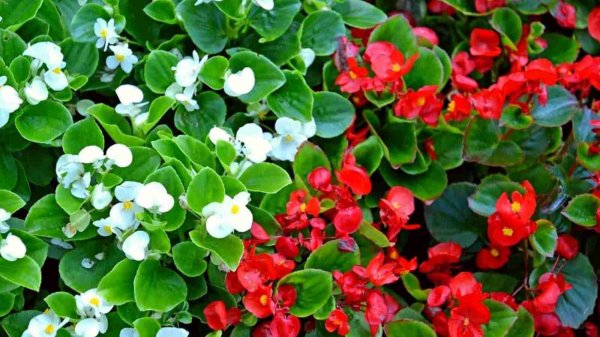
Begonias are a staple in shade gardens and containers, prized for their colorful flowers and, in some varieties, striking foliage. But when these plants fail to produce blooms, gardeners often wonder what went wrong. The causes range from choosing the wrong variety to subtle care mistakes like overwatering or insufficient light. Most issues are correctable, and with a few adjustments, your begonias can return to their flowering glory.
Variety Selection Matters
Not all begonias are grown for their flowers. Rhizomatous types, including the popular rex begonias, are celebrated for their foliage, which can be vividly patterned and colored. These varieties may produce small, inconspicuous white flowers, but they lack the showy blossoms of tuberous or fibrous (wax) begonias. Rieger begonias, a cross between the two, also offer robust blooms. If your goal is abundant flowers, choose tuberous, fibrous, or rieger varieties.
Watering: A Delicate Balance
Begonias have tuberous stems that store water, making them susceptible to overwatering. Too much moisture leads to wilting, drooping, and blossom drop. The soil should be evenly moist but not soggy. If the soil feels wet, hold off on watering and let it dry out. For container plants, ensure pots have drainage holes and use a light potting mix rather than garden soil. In garden beds, amend heavy soil with coir or peat to improve drainage. A simple test: squeeze a handful of soil; if it forms a sticky ball, it needs more organic matter.
Conversely, underwatering can also halt blooming. If the soil is bone dry, the plant may shrivel and stop flowering. Check soil moisture daily by inserting a finger into the soil; water only when it feels dry to the touch.
Sunlight: Finding the Sweet Spot
While begonias are known as shade plants, they still require some direct sun to bloom. Ideally, they need 4-6 hours of morning sunlight, which is gentler than the intense afternoon sun that can burn leaves and inhibit flowering. If your begonias are in deep shade, they may produce foliage but few flowers. For sunnier spots, consider sun-tolerant varieties like the Cocktail series of wax begonias or the Solenia series of tuberous begonias.
Soil and Nutrition
Begonias thrive in light, organically rich soil. Heavy clay or nutrient-poor soils can stunt growth and reduce blooming. For containers, a quality potting mix is ideal. In the garden, amend soil with compost, peat, coir, or well-rotted manure before planting.
Fertilization is another key factor. A water-soluble 20-20-20 fertilizer applied every 10-14 days can boost flowering, especially for container plants that deplete nutrients quickly. However, over-fertilizing can lead to lush foliage at the expense of flowers, or even burn the plant. Always water before fertilizing, and avoid feeding newly planted begonias for at least a week.
Pests and Disease
Pests like spider mites, aphids, and mealybugs can stress begonias and halt blooming. Signs include sticky leaves, webbing, or visible insects. Insecticidal soap is an effective treatment; for mealybugs, dabbing with rubbing alcohol on a cotton swab works. Severe infestations may require removing the plant to protect neighbors.
Powdery mildew, a fungal disease, also affects begonias, especially in moist, shady conditions. A white, powdery coating on leaves is a telltale sign. To prevent it, avoid overhead watering and ensure good air circulation. If mildew appears, fungicides are available, or you can try a DIY solution.
Deadheading for Continuous Blooms
Regularly removing spent flowers encourages begonias to produce more. Trim the flower stalk back to the nearest larger stem, and the plant will respond with new blossoms. This simple practice can keep your begonias blooming throughout the season.
By addressing these common issues—variety selection, watering, sunlight, soil, nutrition, pests, and deadheading—you can help your begonias reach their full blooming potential.