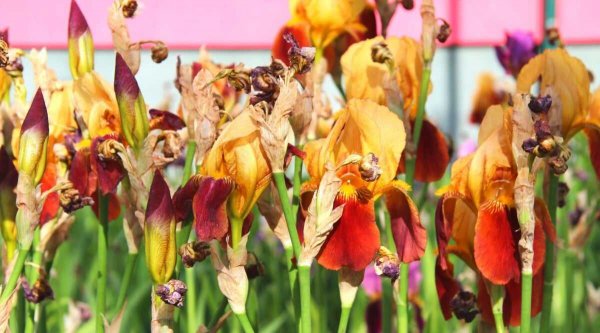
When irises start to brown and wilt, gardeners often wonder what went wrong. The culprit is usually moisture mismanagement, which opens the door to bacterial and fungal infections, or insect damage. Identifying the specific issue is the first step toward a remedy.
Irises are generally hardy, but they are not immune to problems. If your flower bed shows signs of distress, examine the planting site and your watering habits. Overly wet or dry conditions can trigger a cascade of issues, from root rot to leaf spot.
Watering: The Balancing Act
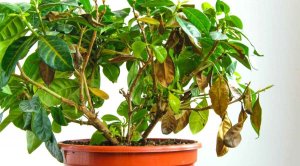
For German, Dutch, and Siberian irises, too much water is a common mistake. These varieties need well-draining soil and elevated spots that don't collect standing water. Symptoms of over-saturation include soggy, browning leaves and a wilted appearance. Established plants rarely need extra watering except in severe drought, but new transplants require more frequent moisture. Use a soaker hose or mist spray to water deeply once or twice a week, directing water to the soil, not the foliage, and water in the morning so leaves dry by evening.
Conversely, aquatic and semi-aquatic irises—such as Water, Copper, Flag, Louisiana, and Japanese types—suffer from too little moisture. Dry, curling leaves signal a need for more water. These species prefer constantly moist roots, sometimes with several inches of standing water, or slow-draining soil that never fully dries out. Know your iris type to adjust watering accordingly.
Common Diseases and How to Spot Them
Overwatering can lead to soft rot, a bacterial infection that turns roots to mush. Affected plants may have weak, collapsing leaves or dark stems that lose firmness near the soil. Look for brown spots with yellow margins on leaves and black crystals on lower tissue. Dig up the plant to check roots—they'll be dark, mealy, and foul-smelling. There's no cure; remove the plant to prevent spread.
Fungal crown rot thrives in wet conditions, causing leaves to wilt, turn brown from the tips, and develop white thread-like spores at the base. Roots may be dark and brittle. Dig up and discard infected plants. Good drainage and proper watering are key to prevention.
Leaf spot is a less deadly fungal issue, showing as small brown-to-tan spots with watery margins. Advanced cases may cause leaves to fall off. Remove affected leaves promptly and dispose of them. Ensure at least six hours of sun, water in the morning, and consider a fungicide from a garden center if outbreaks persist.
Pests and Viruses
Mosaic virus causes streaked, mottled, or speckled yellow-brown leaves and stunted blooms. It enters through wounds, often from insects. Remove affected plant parts and monitor for pests. If the plant doesn't recover, remove it entirely—there's no cure.
While irises are mostly pest-resistant, thrips and aphids can leave puncture marks and brownish-yellow spots. Beetles and caterpillars may chew leaf edges. The iris borer is the most serious, tunneling into the crown and roots. Manual removal, shaking plants, or a strong water spray can help. Check leaf undersides and apply neem oil periodically to deter pests.
Natural Cycles: Deadheading and Dormancy
After flowering, it's normal for petals and some leaves to brown. Cut flower stalks at the base with clean pruners, but leave healthy green leaves to photosynthesize and store energy for next year's blooms. Remove only dead foliage.
As days shorten and temperatures cool, irises prepare for dormancy, typically from October to December depending on your zone. Leaves will gradually brown. Wait until they are mostly brown, then cut them at a 45-degree angle about 4 inches above the soil. In colder zones, mulch around the plants to protect from freeze-thaw cycles.
When irises look sickly, start by checking moisture levels and soil drainage. Then inspect for signs of disease or pests. With careful observation and timely action, you can often correct the problem and enjoy healthier irises in the future.