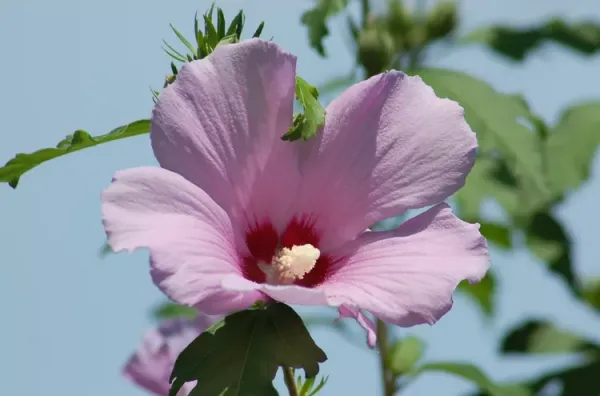
Gardeners who grow Rose of Sharon (Hibiscus syriacus) expect a summer-long display of hollyhock-like blossoms, but sometimes the shrub produces plenty of buds that never open. When this happens, the plant may look healthy but fail to deliver its signature color. The good news: it's usually not a fatal problem, and with a few adjustments, the shrub can be restored to full bloom the following year.
Rose of Sharon is a deciduous hibiscus that typically flowers from early summer until frost, with peak bloom in July and August in most regions. Because it blooms later than many shrubs, its flowers are especially valued. But when buds form and then wither without opening, gardeners are left wondering what went wrong.
Why Buds Fail to Open
Several factors can prevent Rose of Sharon buds from opening. The most common are excessive shade, rot from overwatering or poor drainage, drought stress, and a lack of phosphorus in the soil. In addition, improper pruning, aphid infestations, and fungal diseases can also cause bud failure.
Shade is a frequent culprit. Rose of Sharon thrives in full sun, needing at least six hours of direct sunlight daily. If the shrub is planted in a spot that's too shady, it may still grow leaves but won't have the energy to produce flowers. Overhead watering can also lead to rot, especially during rainy summers, as moisture trapped in the buds invites fungal decay.
Drought is another common issue. During dry spells, buds can become desiccated and fail to open. Similarly, a phosphorus deficiency in the soil can impair the plant's ability to use other nutrients, stunting bud development.
Correcting the Problems
For shade issues, the best solution is to transplant the shrub to a sunnier location, or trim back surrounding trees and plants that block light. If the plant is already in a shady spot, moving it may be the most effective fix.
When watering, always direct water to the soil at the base of the plant, not over the foliage or buds. This reduces the risk of rot. During dry periods, keep the soil evenly moist—check by digging down about six inches; it should feel slightly damp, not dry or soggy. If dry, provide at least one inch of water, applied directly to the soil.
To address a phosphorus deficit, a general-purpose fertilizer can help, or you can work organic bone meal into the soil around the plant. Use modest amounts, as too much phosphorus can harm the shrub.
Pruning is another key factor. Rose of Sharon blooms on new growth, so pruning at the wrong time can remove the wood that would produce buds. The ideal time to prune is immediately after flowering ends in the fall or very early in spring before new growth begins.
Pests and diseases also play a role. Aphids are the most common pest, often visible on stems or leaf undersides. They can cause buds to soften and rot. Neem oil or insecticidal soap can control aphids and other insects. Fungal issues are often linked to overhead watering or poor air circulation; pruning to open up the shrub can help, and fungicidal powder may be used if needed.
While it may be too late to correct the problem for the current season, these steps can set the stage for a healthier, more floriferous shrub next year. With proper sunlight, watering, feeding, and pruning, Rose of Sharon can return to its role as a late-summer showpiece.