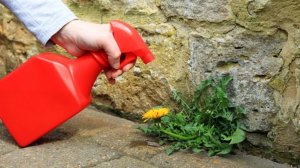
Autumn presents a prime opportunity for gardeners to manage weeds with less effort, as young seedlings have shallow roots and are easier to remove before they set seed. With fewer garden tasks competing for attention, the season allows for proactive weed management that can reduce future labor. By addressing weeds early, gardeners can prevent prolific self-sowers from spreading and maintain a healthier garden ecosystem.
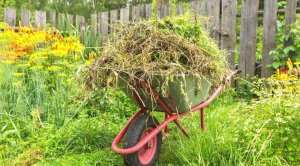
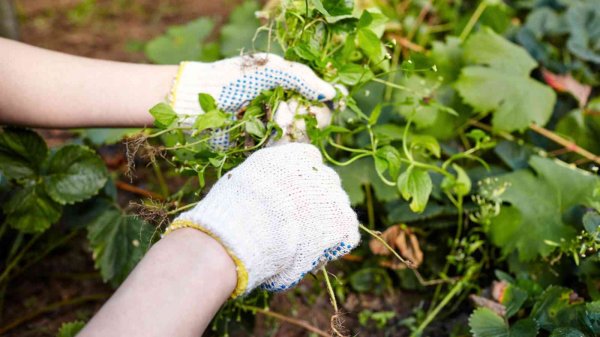
One of the most effective strategies is to remove weeds before they flower and produce seeds. A single weed can generate hundreds of seeds, so catching them early is crucial. While most weeds seed in warm weather, some cool-season species like hairy bittercress and chickweed can also produce seeds in cooler temperatures. Hand-pulling from moist soil is often sufficient, and pulled weeds can be composted or used as green mulch, though aggressive weeds should be dried or rotted first to prevent regrowth.
Tools for Tough Weeds
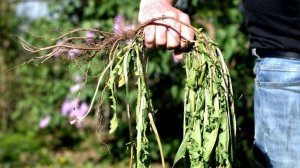
For perennial weeds with deep taproots, such as dandelions, hand-pulling may not be enough. Metal tools like a garden hoe, CobraHead weeder, Hori Hori knife, or hand rake can penetrate the soil and uproot persistent plants efficiently. A garden hoe allows standing work, while a CobraHead weeder combines weeding and planting functions. The Hori Hori knife is ideal for deep-rooted weeds, and a hand rake is useful for loosening soil and removing shallow-rooted plants.
Edible Weeds and Soil Protection
Some common weeds are edible and can be harvested for salads or cooking, including hairy bittercress, chickweed, dandelion, and wild mustard. However, proper identification is essential, as some plants have toxic look-alikes. Foraging in your own garden is safer than collecting wild plants, which may have been exposed to pesticides or herbicides.
Preventing weeds from sprouting is another key tactic. Covering bare soil with organic mulch, such as compost, leaf mold, or wood chips, blocks sunlight and smothers seedlings while enriching the soil as it decomposes. Inorganic tarps can also be used for a season to smother aggressive weeds like lesser buttercups and oxalis, though they degrade over time. Cover crops like fava beans, hairy vetch, or lacy phacelia provide living mulch, fix nitrogen, and support wildlife, but it's important to choose non-invasive species for your area. Perennial groundcovers, such as creeping thyme or bugleweed, offer long-term soil coverage and reduce weed growth in areas not used for vegetables.
Considerations on Tilling
While tilling can fix compacted soil, repeated tilling can damage soil structure and actually encourage weeds like field bindweed, which sprout from root fragments. If tilling is necessary, it's best done on annual weeds with weak roots, avoiding areas with spreading perennials like mint or lesser buttercup.