Purple-flowering weeds are a common sight in many lawns, often blending beauty with nuisance. Gardeners may find themselves torn between admiring their vibrant blooms and worrying about their rapid spread. This guide covers eleven frequent purple-flowered invaders, offering insights into their identification, potential uses, and control strategies.
Among the most prevalent is the wild violet (Viola odorata), which spreads aggressively through underground rhizomes. While its heart-shaped petals can be white, yellow, or blue, the purple variety is especially noticeable. Beyond its ornamental appeal, wild violets have culinary applications—flowers can be candied for desserts or used in salads and teas, while leaves add nutrition to salads. Medicinally, they are used in salves for skin irritations and as an anti-inflammatory.
Creeping Charlie, or ground ivy (Glechoma hederacea), is another resilient invader. A mint relative, it thrives in various conditions and can withstand mowing. Its purple, lobe-shaped flowers bloom in late spring to early summer, and it spreads via rhizomes, making control challenging. However, its leaves can be cooked like spinach, used in salads, or brewed into a tea. Historically, it was used to clarify ale and has astringent and diuretic properties.
Forget-me-nots (Myosotis sylvatica) are often intentionally planted as borders, but they can become weedy if not managed. They produce blue, pink, or purple flowers with yellow centers. Edible and sweet, they can be candied or added to salads and teas. Regular deadheading prevents seed spread, allowing gardeners to enjoy their beauty without them overtaking the lawn.
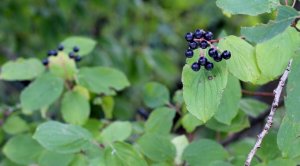
Silverleaf nightshade (Solanum elaeagnifolium) is a summer annual that dies with frost. It grows tall and leafy, competing for sunlight, and features purple flowers and berries. While not as toxic as deadly nightshade, all parts are poisonous, so ingestion is not advised. Hand-pulling and mulching are effective control methods.
Thistles, including Canada thistle (Cirsium arvense), musk thistle (Carduus nutans), and common thistle (Cirsium vulgare), are notorious for their spiny leaves and purple pom-pom flowers. Canada thistle is perennial and difficult to eradicate due to extensive roots; improving soil fertility can help. Despite the barbs, young shoots and leaves are edible after removing spines. Musk thistle can grow up to six feet tall, with flower heads two to three inches across, and is favored by bees and goldfinches. Common thistle blooms from June to October and can be controlled by frequent mowing or digging.
Purple dead nettle (Lamium purpureum) and henbit (Lamium amplexicaule) are often confused. Dead nettle has tubular purple flowers and triangular leaves with purple tips, thriving in moist areas. It attracts pollinators and is edible, used in smoothies, salads, and soups. Henbit has drooping flowers and hairy leaves, preferring sunny, moist spots. Its seeds are loved by hens and turtles. Both have medicinal uses, such as teas for inflammation and fever reduction.
Dove's-foot crane's-bill (Geranium molle) features jagged purple petals and rounded, hairy leaves. It prefers dry soil and is less problematic but can still spread. Hand-pulling works for small infestations, and maintaining a healthy lawn prevents its establishment. Historically, it has been used to treat gout, colic, and joint pain.
Selfheal (Prunella vulgaris), a mint family member, grows in dense patches and survives mowing due to its low height. It has purple flowers and oval leaves with scalloped edges. Repeated pulling and cleanliness are effective controls. Traditionally, it has been used to heal wounds, soothe sore throats, and treat digestive issues.
Identifying these weeds is the first step in deciding whether to keep or remove them. Some offer culinary and medicinal benefits, while others are best eradicated to protect your garden's health. Regular maintenance, including mowing and targeted removal, helps keep these invaders in check. Always leave at least 80% of harvested leaves and flowers for pollinators, ensuring a balanced ecosystem.