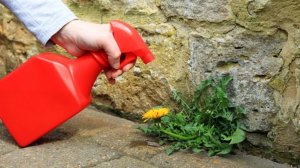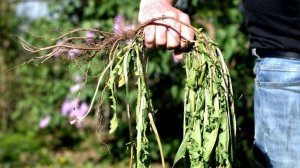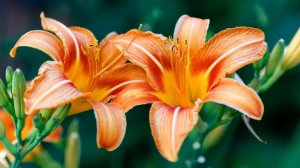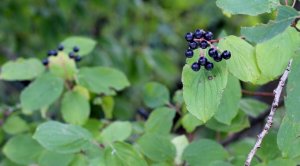
Gardeners often find themselves locked in a battle with unwanted plants that compete with their cultivated flora for nutrients, water, and sunlight. While many weeds are beneficial to pollinators, some can quickly become invasive, forming dense patches that are difficult to eradicate. This guide offers a detailed look at 25 common weed species, their identifying features, and the most effective control strategies, balancing the need for removal with the importance of protecting local ecosystems.
Weeds are essentially plants growing where they are not wanted, and they can cause significant problems in gardens and agricultural settings. They reproduce rapidly, often forming large colonies that outcompete desirable plants. However, it is crucial to recognize that many weeds serve as vital food sources for pollinators, so removal should be done with minimal impact on these beneficial insects.
Invasive Vines and Broadleaf Weeds
Among the most challenging weeds are invasive vines like Asiatic bittersweet (Celastrus orbiculatus) and bindweed (Convolvulus arvensis). Asiatic bittersweet, a perennial with small orange berries, is highly invasive and can be toxic to humans and animals. It thrives in disturbed areas such as roadsides and forest edges, and its mature vines can reach four inches in diameter. Control requires severing the plant at the root level and applying a targeted herbicide to the stump, or repeatedly removing sprouts over several years.
Bindweed, with its beautiful white to pinkish flowers, is deceptive in its appearance. It forms dense mats in lawns and pastures, and its extensive root system can extend 10 to 20 feet underground. This makes it particularly resilient; even broken root pieces can regenerate. Control methods include digging up the roots over a period of three to five years, smothering with black silage tarps, or applying herbicides when the plant is in flower.
Canada thistle (Cirsium arvense), introduced to America in the 16th century, is another aggressive perennial. Identified by its purple spiky flowers and lobed, serrated leaves, it spreads by seeds that can remain viable in the soil for up to 20 years. Mowing it down as it sets buds, uprooting with a shovel to remove as much of the root system as possible, and targeted herbicide application in spring are recommended control measures.
Grassy Weeds and Ground Covers
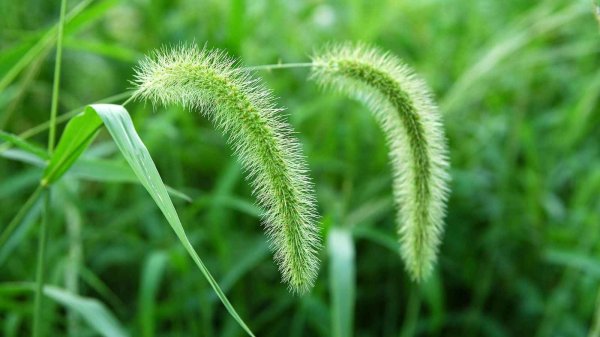
Grassy weeds such as crabgrass (Digitaria sanguinalis) and green foxtail (Setaria viridis) are common in lawns and gardens. Crabgrass, with its yellowish-green blades and notches at the base, thrives in moist soil and germinates quickly after rainfall. Consistent hand-pulling from the base, proper mowing height, and avoiding overwatering are effective control methods.
Green foxtail, which can grow up to six feet high, has spiky seed heads that can lodge into the skin of pets, leading to potential vet bills. Mechanical removal, such as hand-pulling young plants and turning infested areas under the soil, is more effective than herbicides.
Ground ivy (Glechoma hederacea) is a perennial that thrives in damp, shady areas and is toxic to horses. Its purple or white flowers with spotted throats make it identifiable. Hand removal early in its life cycle is the best approach.
Edible and Parasitic Weeds
Some weeds, like lambsquarters (Chenopodium album) and purslane (Portulaca oleracea), are edible and nutritious. Lambsquarters can be harvested when young, before the leaves develop ragged edges, and cooked to remove oxalic acids. Purslane, with its succulent leaves, is best pulled by hand before it goes to seed.
Dodder (Cuscuta campestris) is a parasitic annual that attaches to garden plants and feeds on their nutrients, often killing them. It is highly damaging to crops and adapts to many soil conditions. Control involves planting dodder-free seed, removing host weeds like pigweed and lambsquarters, and using pre- and post-emergent herbicides for large infestations.
Perennial Nuisances and Toxic Plants
Perennials like Japanese knotweed (Fallopia japonica) and horsetail (Equisetum arvense) are particularly stubborn. Japanese knotweed, which can grow up to nine feet tall, has hollow, reddish-brown stems and roots that extend six feet deep. Mechanical control often causes resprouting, so stem-injection of herbicide is recommended. Horsetail, a prehistoric plant, spreads quickly to form a carpet that smothers other plants. Consistent hand removal over multiple years and improving soil drainage are effective strategies.
Poison sumac (Toxicodendron vernix) is a woody shrub that contains urushiol, an oily resin that causes contact dermatitis. If contact occurs, washing the skin with soap and cold water within two to eight hours can remove the oil. Cutting or mowing down young stems is an effective control method.
Other common weeds include clovers, chickweed, curly dock, knapweed, nutsedge, oxalis, pigweed, plantain, ragweed, shepherd's purse, smooth brome, stinging nettle, and tall fescue. Each has its own identification features and control methods, ranging from hand-pulling and mowing to targeted herbicide application. For many, prevention is the best strategy: maintaining healthy soil, proper mowing, and using weed-free growing media can reduce the likelihood of infestation.
When using herbicides, always opt for targeted products and follow label instructions. For large areas, consulting restoration ecologists or conservationists can provide guidance on the best removal approach while minimizing environmental impact.