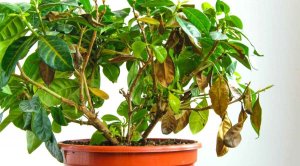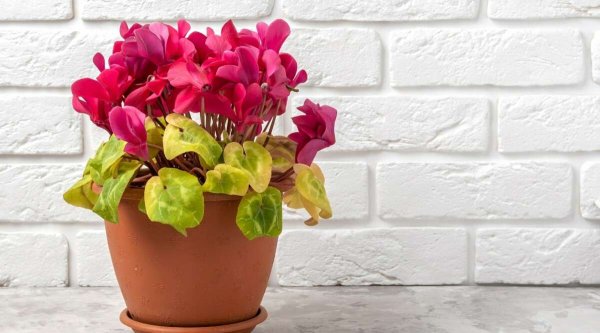
When the vibrant green leaves of a florist's cyclamen begin to fade to yellow, it's a clear signal that the plant is under stress. This popular gift plant, often given during the winter holidays, can quickly lose its charm if its needs aren't met. Understanding the underlying causes—from temperature and watering to pests and natural dormancy—is the first step toward restoring its health.
Cyclamen persicum, commonly known as florist's cyclamen, is native to the Mediterranean region, where it thrives in cool, moist winters and dry, hot summers. As a houseplant, it requires conditions that mimic this climate. When leaves turn yellow, it's often a response to an environment that's too warm, too wet, or too dry, or it may be a natural part of its life cycle.
Heat and Light: Finding the Right Balance
Cyclamen prefer temperatures between 50°F and 70°F. If the mercury rises consistently above 70°F, the plant may interpret this as a sign to enter dormancy, and its leaves will start to yellow. This can happen if the plant sits on a sunny windowsill that becomes too hot or if it's placed near a heater or furnace vent. Relocating the plant to a cooler spot with indirect light can help prevent this premature dormancy.
Watering: The Fine Line Between Moist and Soggy
Overwatering is a common misstep. While cyclamen like moist soil, they cannot tolerate soggy conditions. A pot without proper drainage can quickly become waterlogged, depriving roots of oxygen and causing leaves to yellow and become limp. To check if your plant needs water, stick your finger into the soil. If it feels dry deep down, it's time to water; if it's damp or soggy, wait. When watering, avoid getting the crown wet to prevent rot.
Underwatering is equally problematic. If the soil is too dry, leaves will turn yellow and become crunchy, and the plant may be forced into dormancy prematurely. A thorough watering, allowing water to drain from the bottom, can revive a thirsty cyclamen. For outdoor plants, check the soil 4-6 inches deep.
Natural Dormancy: A Seasonal Rest
Cyclamen are cool-season plants that naturally go dormant during the hottest, driest months. As days lengthen and temperatures rise, they slow growth, and leaves yellow and die back. This is a normal cycle, not a problem. When the plant enters dormancy, stop watering and let the crown rest. After a few months, new leaves will emerge, signaling it's time to resume watering.
Pests: Unseen Invaders
Several pests can cause yellowing leaves. Cyclamen mites are tiny arachnids that are hard to spot but can cause significant damage, including yellow leaves, curling margins, and collapsed stalks. Aphids, mealybugs, and thrips are other common culprits. These insects suck sap from the plant, leading to yellowing and distorted growth. Insecticidal soaps and horticultural oils can control aphids and mealybugs, while thrips may require systemic pesticides or biological controls. In severe infestations, discarding the plant is often the safest option to protect other houseplants.
Prevention and Recovery
To keep your cyclamen healthy, provide bright, indirect light, maintain cool temperatures, and water only when the soil feels dry. Regularly inspect the undersides of leaves for pests. If you notice yellowing, assess the conditions and adjust accordingly. With the right care, your cyclamen can recover and continue to brighten your home.