For many gardeners, pumpkins are a seasonal staple, whether destined for the porch, the carving table, or the pie dish. But these versatile gourds are also a magnet for a host of insects that can quickly turn a thriving patch into a losing battle. From sap-sucking bugs to stem-boring caterpillars, the threats are varied and persistent, demanding a proactive approach to keep plants healthy.
Experts emphasize that a strong plant is the first line of defense. Pumpkins are heavy feeders and prefer well-drained soil, so proper nutrition and watering are critical. Additionally, placing developing fruits on straw or cardboard can shield them from ground-dwelling pests and rot.
Key Culprits and How to Spot Them
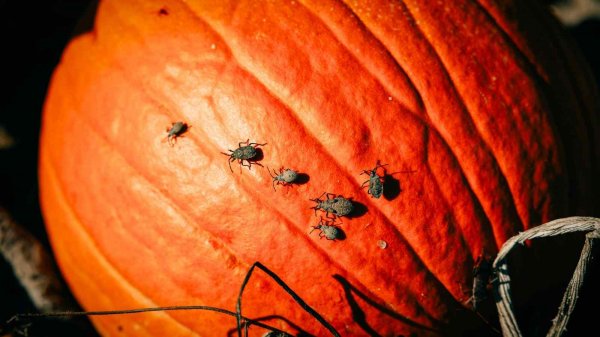
Among the most notorious are squash bugs, which are large, shield-shaped insects that pierce leaves and stems to feed on sap. Their bronze eggs, laid in clusters on leaf undersides, are a telltale sign. Regular inspection and removal of these eggs can prevent infestations.
Another serious threat is the squash vine borer, a moth whose larvae tunnel into stems, cutting off water and nutrients. The first noticeable sign is often a hole at the stem base surrounded by sawdust-like frass. Because larvae are hidden inside, control is difficult once they enter, making early prevention essential.
Aphids, though small, can weaken plants by sucking sap and excreting sticky honeydew that fosters sooty mold. They are often found in clusters on new growth. Similarly, whiteflies, tiny moth-like insects, can build up in large numbers and spread diseases.
Prevention Tactics That Work
Gardeners can employ several strategies to reduce pest pressure. Keeping the area free of debris and weeds removes overwintering sites. Crop rotation is a recommended practice to break pest cycles. Floating row covers, especially early in the season, can physically block adults from laying eggs, but should be removed during flowering to allow pollination.
For vine borers, wrapping the base of stems with foil or fabric can deter egg-laying. Companion planting with repellent species like garlic or onions may help with aphids, while attracting natural predators such as ladybugs and lacewings provides biological control.
Removal and Control Methods
When pests do appear, early intervention is key. Handpicking and dropping insects into soapy water is effective for squash bugs and cutworms. For vine borers, a clean slit along the stem may allow removal of the larva, after which the stem should be buried to encourage rooting.
For aphids and whiteflies, a strong spray of water or insecticidal soap can reduce populations. Yellow sticky traps are useful for monitoring and catching whiteflies and cucumber beetles, though they may also capture beneficial insects. Neem oil is a deterrent for some pests, but must be diluted properly to avoid leaf burn.
Pickleworms, a pest more common in the Southeast, bore into flowers, vines, and fruits, leaving entry holes that invite rot. Early planting and removal of affected plant parts are the main defenses.
Ultimately, a combination of vigilance, cultural practices, and targeted treatments offers the best chance of a healthy pumpkin harvest. Regular monitoring, especially of leaf undersides and stem bases, allows gardeners to act before damage escalates.