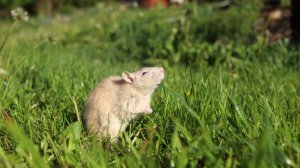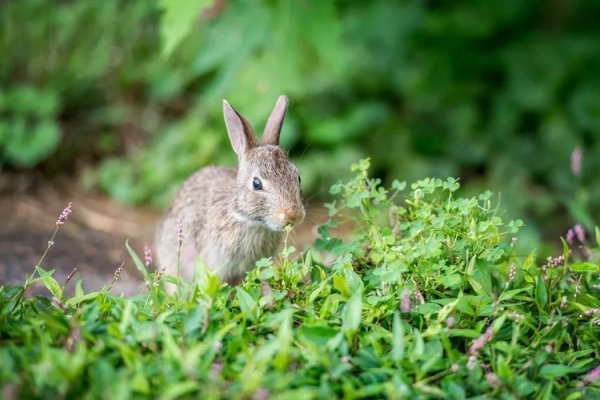
Gardeners facing persistent rabbit damage often wonder if any plant is truly safe from these voracious herbivores. While no plant is entirely rabbit-proof, understanding which species are less appealing can significantly reduce the risk of damage. Rabbits, unlike deer, leave clean, 45-degree cuts on young stems and typically feed only up to about three feet high, while deer tear plants and can reach six feet. This distinction is crucial for identifying the culprit and choosing the right defense.
Rabbits are lagomorphs, not rodents, and possess two pairs of upper and lower incisors, unlike rodents' single pair. Their feeding habits vary seasonally: they devour tender shoots in spring and gnaw on bark in winter. When food is scarce, they will eat almost anything, making it essential to select plants they find unpalatable.
Rabbit Favorites: What to Avoid
Certain plants are particularly attractive to rabbits. In the vegetable garden, they favor beans, beets, broccoli, carrots (especially the tops), lettuce, parsley, chili peppers, spinach, and Swiss chard. Fruit trees and berry bushes are also at risk. Among ornamental plants, rabbits commonly damage asters, baby's breath, bachelor's button, bellflower, balloon flower, clematis, cockscomb, cosmos, coneflower, coral bells (flowers only), crocus, gayfeather, gazania, hosta, lilies, lupine, impatiens (mainly flowers), maidenhair fern, marguerite daisy, mountain bluet, pansy, phlox, rose moss, sunflower (seedlings only), sweet pea, sweet woodruff, tulip, violets, and wishbone flower.
Woody plants with thin bark are also vulnerable, especially new plantings. Rabbits are known to damage apples and crabapples, bald cypress, barberry, burning bush, chokeberry, deutzia, dogwood, eastern redbud, eastern white pine, flowering quince, fothergilla, hawthorn, honeylocust, hydrangea, ironwood, juneberry/serviceberry, linden, maple, mountain ash, oak, rose, rose of Sharon, smokebush, spirea, sumac, viburnum, and witch hazel.
Resistant Species: A Smarter Palette
Plants with strong fragrances, fuzzy leaves, or toxic properties tend to be less appealing to rabbits. Lavender, black-eyed Susan, and many herbs fall into this category. Interplanting these with vulnerable species can help deter rabbits. Resistant vegetables include artichokes, asparagus, onions, peppers (though young plants may be sampled), potatoes, squash, tomatoes, cucumbers, and corn.
A wide range of annuals and perennials are also less favored. These include agastache, ageratum, allium, anemone, angelonia, artemisia, astilbe, autumn fern, azalea, barrenwort, basil, beard tongue, bee balm, begonia, betony, black-eyed Susan, black mondo grass, black snakeroot, blanket flower, bleeding heart, blue star, butterfly weed, canna, candytuft, carex, catmint, columbine, crocosmia, daffodils, daylily, dead nettle, delphinium, false indigo, forget-me-not, foxglove, geranium, geum, ginger, globe thistle, hellebore, ice plant, lady's mantle, lamb's ear, lantana, larkspur, lavender, liriope, lungwort, maiden grass, marigold, milkweed, moss pink, muhly grass, mums (not guaranteed), oregano, penstemon, pot marigold, rosemary, Russian sage, salvia, sea holly, sea thrift, sedum, Siberian iris, snapdragons, snow-in-summer, Virginia bluebell, speedwell, spider flower, St. John's wort, sweet alyssum, thyme, tickseed, verbena, vinca, wormwood, yucca, and zinnia.
For trees and shrubs, rabbits rarely eat black walnut, blue mist spirea, butterfly bush, juniper, spruce, and fir. These species can form the backbone of a rabbit-resistant landscape.
It is important to note that no plant is completely immune. Rabbits may sample even resistant species under pressure, but a garden designed with these preferences in mind will likely suffer less damage. Combining plant selection with other deterrent methods, such as fencing or repellents, offers the best protection.