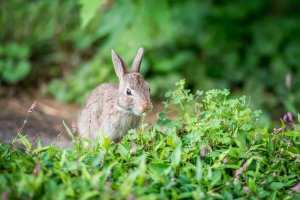
For gardeners who prize their spring-blooming tulips and crocuses, the sight of a squirrel digging up freshly planted bulbs is a familiar frustration. These rodents, along with chipmunks, are relentless foragers, and their activity can decimate a bulb bed before it ever has a chance to bloom. Fortunately, a range of practical, inexpensive measures can keep these critters at bay, from simple physical barriers to clever planting strategies.
The challenge is rooted in squirrel biology. Because they cannot digest cellulose, these animals depend on protein-rich plant structures like nuts and bulbs for survival. This drives them to dig constantly, searching for food and hiding spots. Fall is a particularly vulnerable time, as natural food sources dwindle and squirrels and chipmunks are in a frenzy to stockpile for winter. They are also known to watch gardeners plant, making the act of planting itself a signal for them to investigate.
Physical Barriers: A First Line of Defense
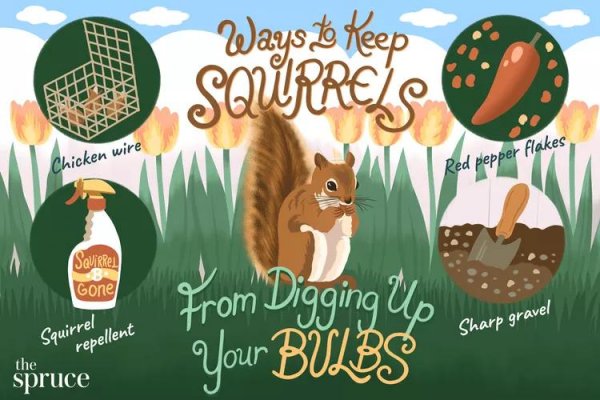
One of the most reliable methods is to create a physical barrier between the bulb and the squirrel. Chicken wire or hardware cloth—a metal mesh with a smaller grid pattern—can be laid over the planting area. Cut a section large enough to cover the bed, secure it with stakes or weigh it down with rocks or bricks, and then hide it with a mulch of shredded leaves or bark. The stems will grow through the holes, while the bulbs remain protected. Alternatively, the same material can be fashioned into simple cages placed directly in the planting hole, which also deters tunneling pests like voles.
Clever Planting and Repellent Tactics
Beyond barriers, strategic planting choices can reduce squirrel interest. Interplanting bulbs among established groundcovers or perennials, such as creeping vinca or pachysandra, makes it harder for squirrels to locate and dig up the bulbs. This approach also offers the bonus of early color in areas that are otherwise bare until summer perennials emerge.
Another tactic is to avoid fertilizers with strong odors, such as bone meal, fish emulsion, or blood meal, which can attract squirrels and other animals. Instead, opt for synthetic fertilizers that are odorless. For those who prefer a natural approach, several organic repellents are available, including deer repellents, which can be effective against squirrels. A liberal sprinkle of red pepper flakes over the planted area is a simple, homemade deterrent that many gardeners find works well.
Environmental Adjustments and Alternative Foods
Modifying the soil environment can also discourage digging. Adding sharp gravel to the surrounding soil—often available at home improvement centers or landscape supply yards—creates an unpleasant texture for squirrels, prompting them to move elsewhere. Crushed oyster shells offer a similarly gritty deterrent.
Some gardeners attempt to distract squirrels by setting up a feeding station with grains and nuts away from the garden. However, this approach is debated, as some experts warn that it may simply attract more squirrels to the yard, potentially leading to more digging. Additionally, local ordinances in some towns prohibit feeding squirrels, so it is wise to check before implementing this strategy.
Good garden hygiene is another simple yet effective measure. After planting, remove any outer papery layers that may have fallen from the bulbs, as well as damaged bulbs or plant debris, which can attract squirrels.
Choosing Bulbs and Timing
If squirrels are a persistent problem, consider planting bulbs that are less appealing to them. While tulips and crocuses are favorites, squirrels tend to avoid daffodils, alliums, scilla, hyacinth, muscari, fritillaria, and snowdrops. Finally, timing can play a role. The peak feeding frenzy for squirrels and chipmunks occurs in early fall and typically subsides by late October, once they have stored their winter food supply. Delaying bulb planting until later in the season can therefore reduce the risk of disturbance.
By combining these methods—barriers, repellents, plant selection, and timing—gardeners can significantly improve the chances of enjoying a vibrant spring display, free from the frustration of dug-up bulbs.