Spider mites, minuscule arachnids related to spiders and ticks, are a common garden pest that can cause significant damage to a wide variety of plants. These tiny creatures, measuring only 1/60 to 1/25 inch, cluster on the undersides of leaves and extract plant juices, leading to stippled, yellowed, and distorted foliage. While they are nearly microscopic, the damage they inflict is often the first sign of an infestation, and several effective strategies exist to manage and prevent these pests.
According to the University of California, Agriculture & Natural Resources, spider mites thrive in warm, dry conditions, with temperatures around 80°F considered optimal. Most mite species are most active from July to September, though the spruce spider mite (Oligonychus ununguis) is an exception, being more prevalent during cooler spring and fall weather. Indoor plants are particularly vulnerable during winter when indoor air becomes dry.
Identifying Spider Mite Damage
Spotting the damage caused by spider mites is often easier than finding the mites themselves. Infested leaves may exhibit fine white webbing between leaves and stems, stippling, yellowing, and pale yellow spots or blotches. As the mites suck out chlorophyll, white dots appear, and heavily infested plants may drop leaves or needles. The mites themselves come in a range of colors, including red, yellow, green, and brown, and some species can change color throughout the year.
Plants most susceptible to spider mites include cucurbits (such as squash, pumpkins, and cucumbers), beans, tomatoes, and a wide range of landscape trees and shrubs. Indoor houseplants with thin, tender leaves, like alocasia and calathea, are also at risk.
Seven Control Methods
Several approaches can effectively manage spider mite infestations, ranging from simple physical removal to chemical treatments. The choice of method often depends on the severity of the infestation and the type of plant affected.
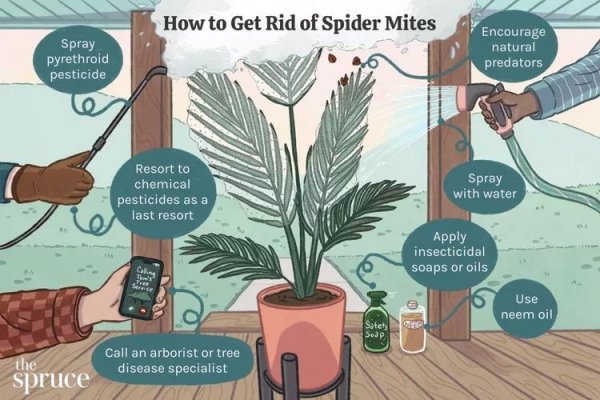
1. Rubbing Alcohol Spray: A mixture of 1 cup of rubbing alcohol and 4 cups of water can be sprayed on plants to dehydrate and kill spider mites. It is advisable to test the solution on a single leaf a few days before treating the entire plant, as some plants are sensitive to alcohol.
2. Water Spray: Regularly spraying plants with a hard blast of water, especially the undersides of leaves, can dislodge mites and their eggs. This method is most effective when repeated regularly, and indoor plants can be treated in a sink or bathtub using a faucet sprayer.
3. Insecticidal Soaps and Horticultural Oils: Insecticidal soaps are often effective, though repeated applications are necessary. Horticultural oils, made from refined plant oils like citrus, smother the pests and are less harmful to beneficial insects than chemical pesticides.
4. Encourage Natural Predators: Several predatory insects and mites feed on spider mites, including Phytoseiulus persimilis, Amblyseius californicus, and ladybugs. These can be purchased from garden centers or online retailers. In outdoor settings, a hands-off approach may be sufficient if diverse insect populations are present.
5. Neem Oil: Derived from the neem tree, neem oil contains azadirachtin, which interferes with the feeding, molting, and egg-laying of mites. It is safe for humans and warm-blooded animals but toxic to fish and aquatic life, so care must be taken to prevent runoff into water sources.
6. Pyrethroid Pesticides: These are made from natural pyrethrins (derived from chrysanthemum flowers) combined with other chemicals. While not organic, they are considered safer than purely synthetic pesticides and are often recommended for spruce spider mites.
7. Chemical Pesticides: For severe infestations, chemicals like malathion, bifenthrin, cyfluthrin, and kelthane may be used as a last resort. These are toxic to pets and humans, so caution is essential, especially on edible plants. Spider mites can quickly develop tolerance, so rotating chemicals is advised.
Prevention and Management
Preventing spider mite infestations involves regular inspection and maintenance. Before bringing potted plants indoors for winter, check them carefully for mites. Using an indoor humidifier can help deter infestations, as can regularly spraying plants with water. For heavily infested plants, removing damaged leaves and treating the plant may help, but if most leaves are damaged, it may be time to discard the plant.
For persistent problems, especially with spruce or evergreen trees, consulting a licensed arborist or tree disease specialist may be necessary, as they have access to stronger pesticides that are not available to homeowners. These should be used only as a last resort.
While spider mites can be challenging to eliminate due to their rapid reproduction and ability to develop pesticide resistance, consistent treatment and preventive measures can keep them under control. As noted by the Clemson Cooperative Extension, integrated pest management strategies, including cultural, biological, and chemical controls, are often the most effective approach.