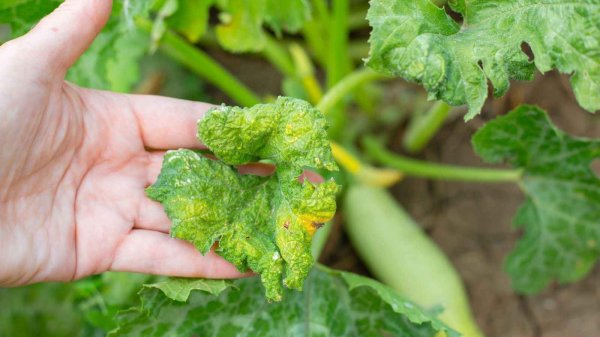
Zucchini, a staple of summer gardens, often faces a barrage of insect invaders that can quickly turn a thriving vine into a struggling plant. From the striped cucumber beetle to the elusive squash vine borer, these pests can damage leaves, stems, and fruits, reducing yields and frustrating even experienced gardeners. Understanding the specific threats and implementing timely control measures is key to keeping zucchini plants healthy and productive throughout the season.
While zucchini (Cucurbita pepo) is relatively easy to grow, its success depends on more than just planting and watering. Providing full sun, organically rich, well-draining soil, and consistent moisture helps vines withstand pest pressure. Regular scouting—checking plants at least a few times a week—is the first line of defense, allowing gardeners to spot problems early before they escalate. Encouraging beneficial insects by planting a diversity of flowering companions, such as aster, yarrow, and herbs like dill and parsley, can also help keep pest populations in check.
Common Culprits and How to Spot Them
Among the most destructive pests are cucumber beetles, which come in banded, striped, and spotted varieties. These yellow-green insects chew irregular holes in leaves, feed on blossoms and fruits, and can transmit bacterial wilt and cucumber mosaic virus. Their larvae attack roots and stems below ground. Handpicking beetles and dropping them into soapy water can manage small populations, while floating row covers protect young seedlings. For larger infestations, pyrethrin, spinosad, or neem oil may be applied, though these can affect pollinators and other beneficial insects.
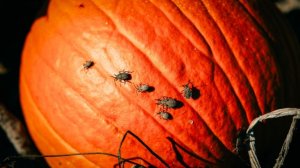
Squash bugs (Anasa tristis) are another major threat, appearing in late spring. These gray-brown, flat-backed insects suck sap from leaves, causing speckling, wilting, and browning. Their eggs, laid in yellow-orange clusters on leaf surfaces, and pale green nymphs are easier to control than the mobile adults. Removing eggs and nymphs by hand, using horticultural oils or spinosad on young stages, and reducing hiding places like mulch can help manage them. Planting early or late to avoid peak activity in June is a preventive strategy.
The squash vine borer (Melittia cucurbitae), a moth with a bright orange thorax and black dots, is particularly problematic east of the Rockies. Its larvae burrow into stems, blocking water uptake and causing sudden wilting. Because they are hidden inside the vine, control is difficult. One method is "vine surgery": making a small vertical cut to remove the caterpillar. Wrapping lower stems with aluminum foil or burlap can deter egg-laying, though moths may find other entry points. Injecting liquid Bacillus thuringiensis (BT) into the stem can kill feeding larvae, but it is ineffective against eggs and adults.
Lesser-Known Pests and Their Management
Other pests include the squash beetle (Epilachna borealis), which chews semicircular patterns on leaves; spider mites, which cause stippling and webbing; and aphids, which curl leaves and leave sticky honeydew. Each responds to similar strategies: handpicking, water sprays, horticultural soaps or oils, and encouraging natural predators like ladybugs and lacewings. Pickleworms (Diaphania nitidalis) bore into buds and fruits, causing rot; weekly spinosad applications can help, and choosing early-maturing varieties may avoid peak populations.
Slugs and snails damage young seedlings by chewing irregular holes, especially in cool, damp conditions. Handpicking at night, using beer traps, or scattering diatomaceous earth around stems can reduce their numbers. Whiteflies, which cause yellowing and leaf drop, thrive in low airflow; proper spacing and vertical trellising improve circulation and deter them.
Prevention remains the best approach. Keeping beds weed-free, clearing debris at season's end, and practicing crop rotation reduce overwintering sites. For persistent vine borer problems, some gardeners opt for resistant varieties like 'Tromboncino' (Cucurbita moschata), which has thicker stems. By combining early detection with targeted, least-toxic treatments, gardeners can enjoy a bountiful zucchini harvest despite the challenges these pests present.