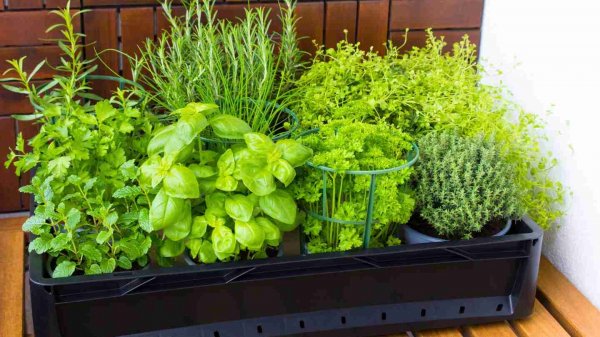
Gardeners seeking a natural line of defense against mosquitoes, horseflies, and ticks may find an ally in their container planters. Certain species produce oils and fragrances that repel these pests, offering a botanical barrier that can be placed along walkways, patios, and balconies. While these plants are not a standalone solution, they complement essential preventive steps such as eliminating standing water where mosquitoes breed and keeping grass short to reduce tick and flea habitats.
Among the most effective choices is citronella grass (Cymbopogon nardus), the source of citronella oil, a widely used mosquito deterrent. This tall grass, reaching up to eight feet, thrives in large pots and releases its signature aroma during warm months. Gardeners can also soak its leaves in water and apply the solution to skin for added protection.
Herbs That Double as Deterrents
Basil (Ocimum basilicum) is a frost-tender perennial that excels in containers, providing both culinary value and pest-repelling properties. Crushing its leaves releases a scent that masks human odor, and basil essential oil has been shown to deter mosquitoes. Similarly, catnip (Nepeta cataria) attracts feline friends while repelling insects; a simple spray made by steeping leaves in water can be used as a natural repellent.
Lemon balm (Melissa officinalis) and peppermint (Mentha x piperita) are vigorous growers best kept in pots to control their spread. Their strong, lemony or minty fragrances can be rubbed on skin or used in homemade sprays. Both are hardy in a range of zones and offer a pleasant scent while keeping biters at bay.
Flowers and Shrubs With Repellent Qualities
Lavender (Lavandula spp.) is a cold-hardy evergreen shrub that thrives in containers, especially dwarf varieties like 'Hidcote Superior' or 'Lacy Frills.' Its fragrance masks human scent, and in colder zones, pots can be moved indoors for winter. Marigolds (Tagetes spp.) are annuals with proven insect-deterrent qualities, also protecting nearby plants from aphids. Nasturtiums (Tropaeolum spp.) act as trap crops, luring aphids away from vegetables and herbs.
Dalmatian chrysanthemum (Tanacetum cinerariifolium) is the source of pyrethrum, a common pesticide ingredient. While effective, it can cause skin irritation, so it should be handled with care and used strictly as a repellent. Eucalyptus 'Baby Blue' (Eucalyptus pulverulenta) is versatile, growing as a tree in warm zones or an annual in cooler climates, and its dried stems are popular in floral arrangements.
Practical Tips for Container Pest Control
For best results, place these plants near entryways, seating areas, and garden paths. Regularly harvesting or crushing leaves releases the active compounds. Many gardeners also create sprays by steeping leaves in water or alcohol, but should test for skin sensitivity first. Combining these plants with good yard hygiene—such as removing standing water and mowing tall grass—creates a more effective defense against biting insects.
Whether you choose the robust citronella grass, the aromatic lavender, or the culinary basil, these container plants offer a natural, aesthetically pleasing way to reduce pest presence in outdoor living spaces.