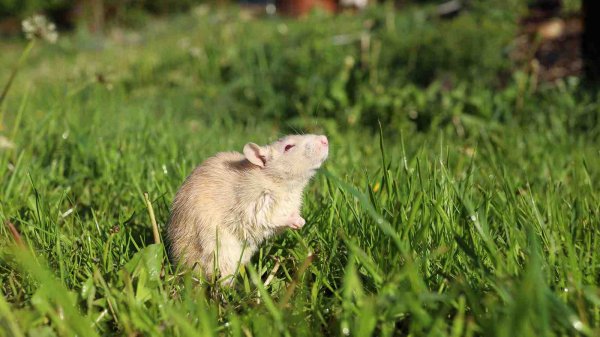
Rodents can wreak havoc on a garden, consuming crops, leaving droppings, and spreading disease. Their rapid reproduction—females can birth up to 14 babies per litter and have 10 litters a year—makes swift action essential. Fortunately, several natural and humane strategies can deter or eliminate these pests without endangering plants, pets, or the environment.
One of the simplest changes is to reconsider mulching. While mulch enriches soil and controls weeds, it also offers rodents a cozy nesting spot. If mulch is necessary, wood-chip varieties are less inviting because rodents cannot easily burrow beneath them.
Introducing a natural predator is another low-effort solution. An outdoor cat can hunt mice effectively, provided it has food, water, shelter, and is spayed or neutered. This approach leverages the cat's instincts to keep the rodent population in check.
Plant-Based Deterrents
Strong-scented herbs can repel rodents. Mint, whether planted in pots around the garden's perimeter or inside a greenhouse, acts as a natural deterrent. For those who prefer not to grow more plants, scattering dried mint or placing peppermint oil-soaked cotton balls near entry points can work, though they need replacement every couple of weeks.
Other pungent herbs, including basil, echinacea, garlic, and thyme, can be planted as a border around the garden. Rodents are put off by these scents and may avoid the area altogether.
Mechanical and Physical Barriers
Solar-powered repellers emit ultrasonic frequencies that are unpleasant to rodents but inaudible to humans and pets. Each unit covers about 6,000 square feet, so larger gardens may need multiple devices. These gadgets are environmentally friendly and require no chemicals.
For a more direct approach, humane mouse traps that use a latex ring to suffocate the rodent are cleaner and more effective than traditional snap traps. Additionally, securing pet food and chicken feed in airtight containers prevents attracting rodents in the first place.
Building or reinforcing a fence can also keep rodents out. Pay special attention to gaps under gates and burrowing spots. Digging a trench six inches deep and wide, then stapling quarter-inch hardware cloth to the fence base and burying it, creates an underground barrier that rodents cannot penetrate.
Household Remedies
Some gardeners use instant potatoes as a lethal bait. Sprinkling a few tablespoons where rodents are active causes the flakes to expand in their stomachs, leading to death. However, this method requires caution if pets are present, as they might consume the flakes.
Onions are another pungent deterrent. Placing a fresh onion near suspected entry points can repel rodents, but it must be replaced every few days to avoid rot. Onions are toxic to dogs, so keep them out of pets' reach. Growing onions, leeks, and garlic around garden beds can also repel a variety of pests.
Combining these methods—from natural repellents to physical barriers—can create a comprehensive defense against rodent intrusion. By acting quickly and using these strategies, gardeners can protect their crops and enjoy a thriving garden all season.